4fold 1

Foldable containers may be cure. Just not yet…

The bulk of the world’s trade is shipped in intermodal shipping containers, which have remained largely unchanged since IMO standardisation 50 years ago, but innovation may be the key to reducing supply chain congestion. Is this a new era of global container shipping?

Few tools of the global economy have survived without major innovations as long as the shipping container and the continuing pandemic-linked supply chain disruption is presenting a significant opportunity to address that.

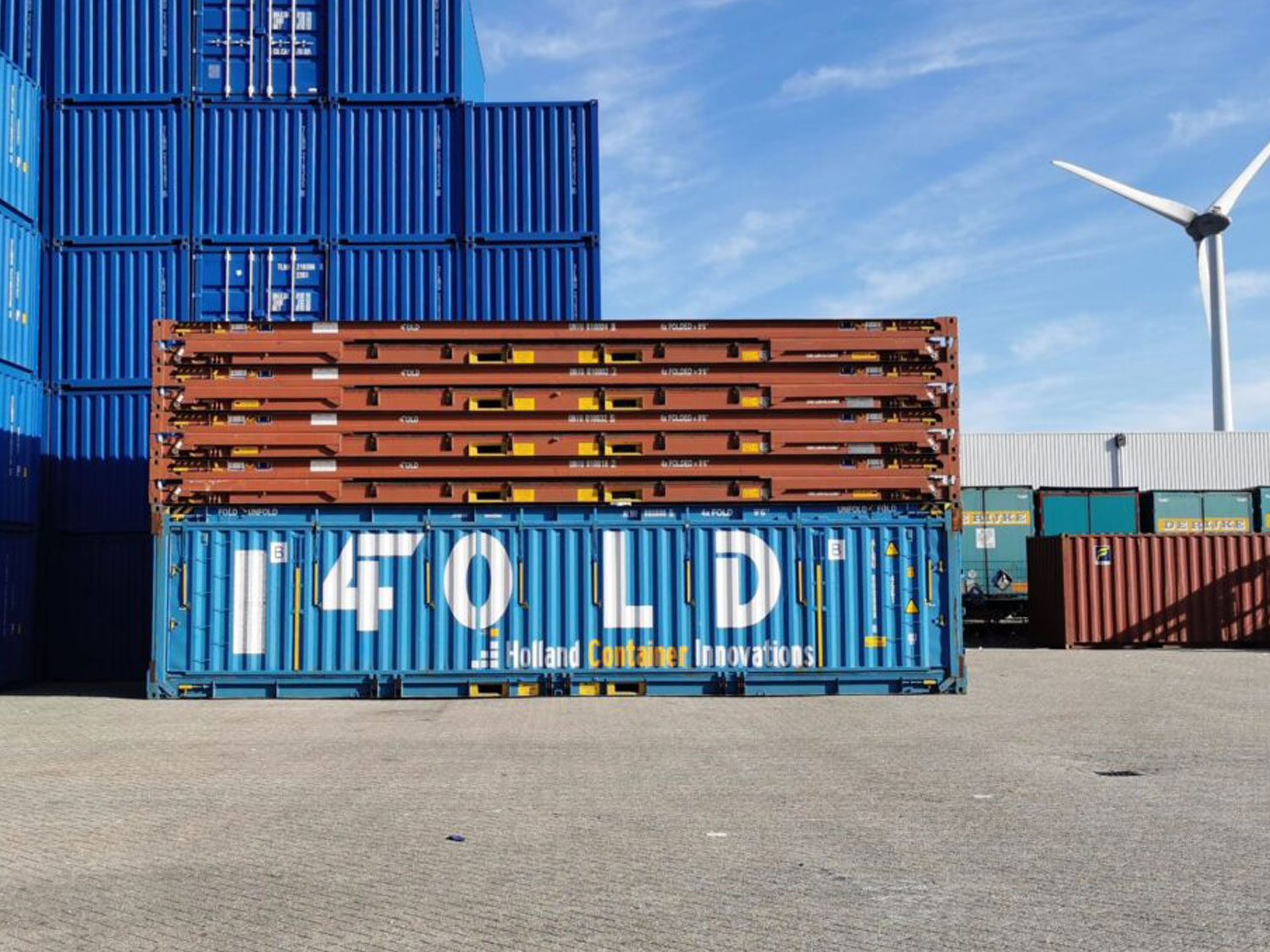
As ports, terminals and warehouses get congested with containers, both empty and full, the conditions are increasingly favourable for a product innovation that failed to catch on before the pandemic. Shipping containers that collapse to as much as one-fifth their usual size.

The cost of repositioning empty containers to places where they’ll be loaded is about $20 billion, according to the Boston Consulting Group and many will spend days and weeks taking up space in already-jammed holding areas and depots, compounding delays along supply chains.

In 2013, the Dutch container company 4Fold’s 40-foot metal boxes became the first foldable units to get certification from the Container Safety Convention and International Organisation for Standardisation, meeting standards required by shipping lines, terminals and rail companies.

Today more than 15 carriers, shipping via 60 ports worldwide are testing the Delft, Netherlands-based company’s environmentally friendly containers that can be folded into a quarter of their volume, taking up less space on trucks, ships and docks.

The world’s largest shipping line, Maersk, has referred to foldable containers as the “dream of the shipping industry” and leading consumer-goods producers, including Procter & Gamble, are also testing the technology.

Despite sparking hope among carriers and shippers, as the answer to making equipment available more quickly, higher upfront costs and hesitancy to turn to a new business model have so far kept foldable containers from becoming mainstream.

As companies find themselves more pressed to find answers to supply-chain congestion, the trade-offs of investing in a new technology might become smaller. The US-based foldable-container company Staxxon LLC gained full certification for its 20’ product at the height of the pandemic and is planning to put them on the market next year, suggesting it has dozens of potential buyers who’ve indicated interest.

Carriers could save up to 57% in inland transportation costs by relying on foldable containers, according to Singapore University. And despite higher purchase and annual maintenance costs, foldable units would still be a more cost-beneficial option, their research found.

The challenge is defining the optimal mix of foldable and regular containers that carriers should maintain in their inventory.

Too many and the purchase costs could offset the benefits. Too few and you would struggle to find three other foldable containers to create the single unit, that generates efficiency and cost-savings.

Metro are innovators and we will be watching the development of this story with interest. And ready to actively participate in testing, evaluating or investing, in the best interests of our customers. 

We also own many of thousands of containers ourselves within our group of businesses – so know what we are talking about. Please direct any questions or requests for creative solutions to Elliot Carlile who is heading up the programme for Metro clients.

Header image courtesy of HOLLAND CONTAINER INNOVATIONS NEDERLAND B.V.
warehouse full

Experts warn the UK is running out of warehouse space

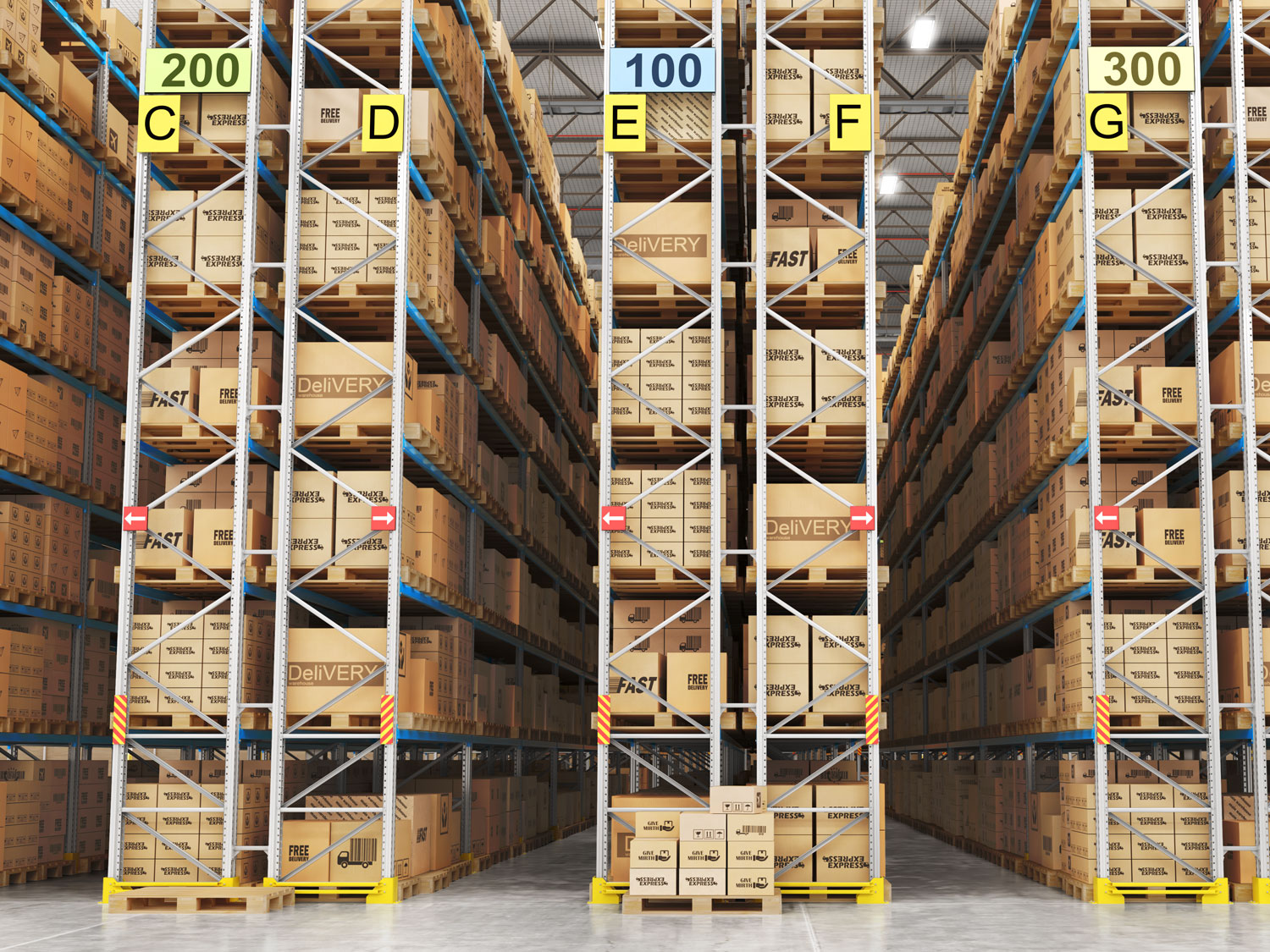
Leading commercial property agents have warned that the UK could run out of warehouse space within a year, following the surge in online shopping and supply chain disruption triggered by the COVID19 pandemic.

Demand for warehouses and vacant space is being driven by eCommerce, manufacturing and logistics support businesses that are having to hold inventory that cannot be consumed, due to technical component delays that are depleting stock and later than required consumer products, that are having to be ‘shelved’ until they can be brought to market at the right time of year. Raising the risk of the UK running out of available warehouse space, as has been widely reported in both the trade and national press.

Even though developers have been quick to respond to this demand, newly developed space is being taken up fast, keeping available stock low and falling below 50 million square feet (the lowest recorded) which is close to the same amount of space secured in the first nine months of 2021. Suggesting there may be less than a year’s supply available.

eCommerce, post and parcel providers took an average of 6m square feet p.a. between 2015 and 2019, rocketing to over 15m square feet p.a. in 2020 and 2021 – and continuing to grow exponentially.

The proportion of UK retail spend taking place online rose from 19.1% in February 2020, ahead of the first coronavirus lockdown, to a peak of 37.1% in January 2021, bringing forward by three years the date when the UK’s online sales are expected to overtake in-store sales.

Research by Retail Economics predicts that UK retailers will be the first across Europe’s biggest retail markets to make the shift, with 52% of all transactions set to occur online next year.

The pandemic has also highlighted the fragility of supply chains built for maximum efficiency, particularly some JIT (just in time models) encouraging executives to seek more storage space for safety stock. 

Having product and components where you can access them locally is becoming the normal approach, in a world of logistics and transit beset by uncertainty and chaos. Businesses are having to, or have already, adapted their supply chain strategies accordingly.

In the near term, the impact of high demand for warehouse space will be rising costs for those needing storage, which is likely to trickle down into price increases for consumers. Along with many other dynamics and variables that are changing on a monthly basis.

Leading commercial agents Cushman & Wakefield, told the Financial Times that developers had been fairly quick to respond to the shortage of warehouse space, but warned: “When you look at how quickly development is being taken up, there’s probably not enough.”

Cushman & Wakefield warned: “If anything, availability will get worse before it gets better.” Much like many other elements of the supply chain jigsaw puzzle, unfortunately.

Metro’s customers are protected from the impact of this squeeze on warehouse space, with access to the group’s new 750,000 sq ft Mega DC. SEE MORE

Strategically located adjacent to the UK’s biggest container port, Felixstowe, the Mega Distribution Centre, offers the unique benefits of port-centric logistics alongside 18,000 pallet spaces of frozen storage and ambient storage space for 80,000 pallets.

The state of sea freight

Ocean freight carrier profits grow as global supply chain woes continue

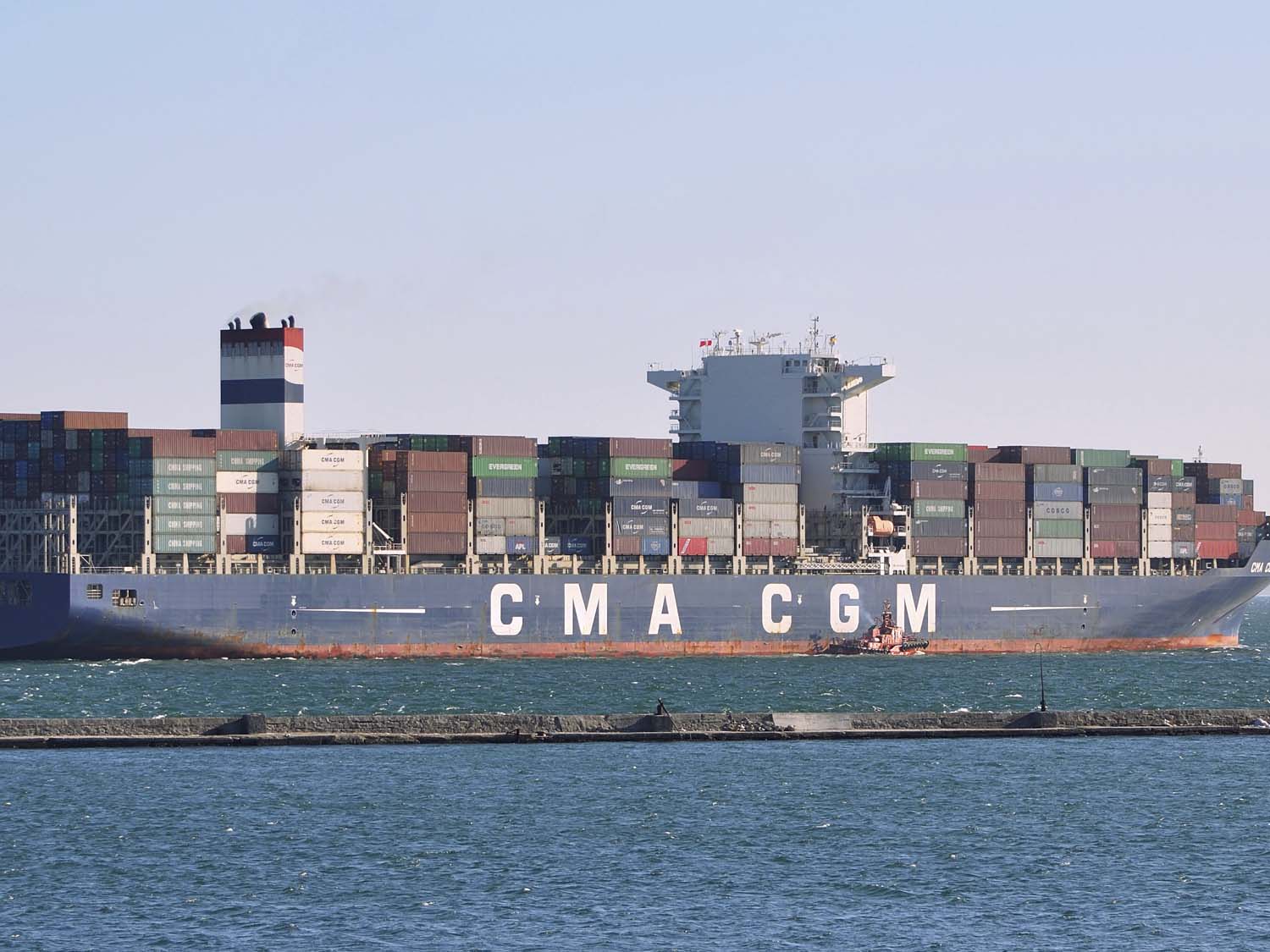
CMA CGM has published their Q3 results and in line with the other major Asia/Europe and trans-Atlantic carriers, they have made an extremely high degree of profit, due to the continued demand for space, exacerbated by global disruption diminishing the amount of vessel space available.

The CMA CGM group reported a net profit of USD 5.64bn for the third quarter, narrowly beating the Maersk group, currently the largest global container carrier.

Despite operating one million less teu than Maersk, the French line reported a greater increase in revenue versus the previous three months: group sales rose 23% quarter-on-quarter to USD 15.3bn; while Maersk reported a 17% revenue increase and a net profit of USD 5.46bn.

CMA CGM says it expects to achieve an even stronger financial performance in the fourth quarter.

Comparing performance between carriers based on Q3 2021 to Q3 2020: CMA CGM’s average revenue per TEU increased 107%; which is in line with Hapag-Lloyd which saw a 106% increase; and ahead of Maersk with a 90% increase; while ONE outperforms all with a 129% increase. Let’s conclude that asset owning shipping lines are reaping the benefits of their investments.

By contrast, the Global Freight Forwarding market contracted by -8.7% in 2020, recording its worst year since the 2009 financial crisis, as a direct result of the pandemic. The sea freight forwarding market contracted by -3.8% in 2020, but air freight forwarding suffered worse with a decline of -12.3%.

The freight forwarding market is expected to come back, with growth of 11.6% forecast for 2021, with an anticipated compound annual growth rate (CAGR) of 5% from 2020-2025, if and when volumes recover. This is without factoring in the impact of global macroeconomics and dynamics of consumer confidence, interest rate implications and available disposable income, in every country and territory.

The ocean carriers collectively are on a path for profits in excess of USD 150 billion this year, and higher from some sources, and the global container shipping market is anticipated to rise at a considerable rate between 2021 and 2025, progressing at a CAGR of 9% over the period, although this figure is likely to be exceeded by some margin.

Global supply chains are likely to be under intense and sustained pressure for some time yet, well into 2022 and beyond, and we will continue to share with you the most important developments so that you are informed and prepared to make critical decisions ahead of potential issues. 

We negotiate rate and volume agreements with carriers across all three alliances, which means we have the freedom to react to market conditions and changes. 

Please contact Elliot Carlile or Grant Liddell to discuss your supply chain expectations and deadlines to ensure your business is future proofed’ for the rest of 2021 and 2022.

Coronavirus update 27th March

Air freight airports and ground handling hubs grinding to a halt – and that’s everywhere

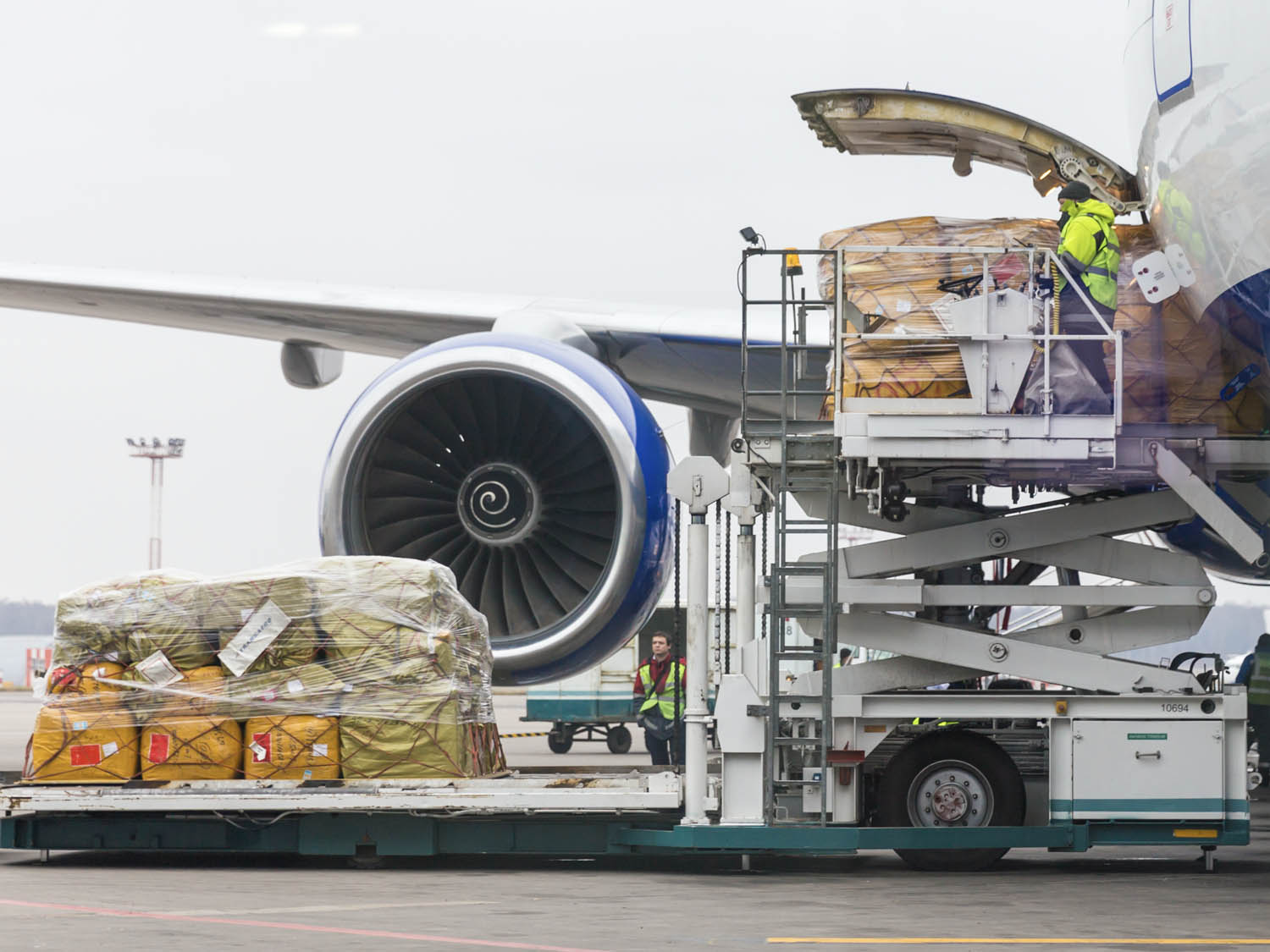
Sustained high demand, diminished capacity, COVID-safe work practices and apparent labour shortages, continue to place immense pressure on UK, European, US and global air freight hubs, creating congestion, from Heathrow to Azerbaijan.

While there are different situations at different airports, the demand for air cargo is exceptionally high and ground-handling operations are proving to be consistently ineffective at servicing the upturn in freighters, and passenger freighters, with particular problems at Heathrow, Amsterdam, Brussels, Frankfurt and Liege. And that’s just in Europe.

Despite the significant congestion that is impacting air cargo hubs globally, there is every likelihood that the already exceptionally high air freight prices will climb further as supply chain congestion drives further ocean-to-air conversion for essential peak inventory. ‘Distressed ocean freight’ has one repair option on the deep-sea destinations and origins and that is conversion to air freight which we are seeing daily driven by consumer and manufacturing demand chains needing stock, inventory and components to function.

The resumption of passenger operations in the critical trans-Atlantic market is very welcome, but trans-Atlantic supply has little impact on the China outbound routes that comprise the bulk of holiday peak volumes and it is not expected to result in a sudden easing of the essential air cargo market. Many aircraft were already flying routes that were profitable from cargo alone. It is just that they will now finally fill up the upper decks of the aircraft as traveller restrictions are withdrawn and they are allowed to resume global access and passenger sentiment in flying begins to resume.

London Heathrow is facing significant delays, as the cargo area is unable to cope and waiting times for vehicle collections and deliveries can be anything from five to ten hours, with the ever-present risk that the driver will ultimately be turned away. We are experiencing drivers running out of their legal hours of driving and having to replace with new shift drivers before they have even collected or delivered their air freight cargo whilst sitting statically outside the airline warehouses at the airports.

We are aware that some handling agents are moving airline pallets to London Gatwick to break down and return loose cargo to Heathrow. In theory, this practice should ease ground-handling pressure at Heathrow, but in practice, it actually adds further delays and increases the risk of cargo being misplaced.

It is beyond frustrating to locate and secure scarce air freight space, to get our customers’ consignments to destination on time, only for them to be delayed on arrival by 2, 3, 4 and even 5 days as we attempt the final mile of delivery. 

The situation can only be described as discombobulating and illogical. But unfortunately, this is the reality of the air freight supply chain presently, as widely reported in the trade press over recent days and weeks.

Whenever possible we are routing cargo via Birmingham International Airport, which continues optimum operations, to keep our customers’ goods moving, as well as clearing cargo and moving it to our general-purpose and various external temporary storage facilities (ETSF’s).

Overall the market is not as good as it should be, with issues all over the place at the major US, European and Asian hubs and the likelihood is it will get worse, particularly when the handlers are short-staffed in many facilities, due to COVID operating restrictions and the ability to ensure that resource can be deployed for the surge in demand.

In their defence, ground-handlers maintain that airline schedules and capacity are constantly shifting, which restricts their ability to forecast requirements and means that they cannot ensure there are sufficient numbers of handlers to meet the arriving and departing aircraft that they would expect with schedules during ‘normal times’. This actually reflects the ongoing situation in the ocean freight market with the circumstances that everyone will be experiencing in surface mode over the last year. However, during the current peak season, this is now filtering into the air freight environment.

They also suggest that they are unable to flex their prices like the airlines and while lots of money is being generated on air cargo, it’s not in handling, where the cost base has gone through the roof but pricing and revenue have remained relatively static.

Predictions are that the air cargo boom will continue well into next year, and possibly 2023, as it may take that amount of time for the passenger schedule to return to pre-COVID levels.

We know that cargo that ends up in limbo in on-airport warehouses exacerbates the congestion crisis, but quickly moving cargo off-airport depends on a ground-handling workforce that is of sufficient size to provide efficient operations to the cargo aircraft, preighters and PAX aircraft arriving at those major cargo hubs.

Despite the massive challenges, our air freight team continue to get time-sensitive shipments lifted at origin and work tirelessly to have it released asap after arrival. As soon as we identify an issue, regardless of the airport, we work around the problem to deliver the best solution and avoid obvious bottlenecks and turmoil.

We partner and engage closely with our global network to monitor market capacity and identify opportunities to use regional airports, that will benefit our customers ensuring that expectations and timelines are met – regardless of the challenges.

There are solutions for every critical shipment, please call Elliot Carlile or Grant Liddell to discuss your situation and for further insights and advice. We will have all options available and an intelligent and creative remedy!