Savannah Port

US West Coast volumes drift to South and Southeastern ports

Negotiations between the International Longshore and Warehouse Union (ILWU) and West Coast port employers, represented by the Pacific Maritime Association (PMA) began last May and while talks continue, both are hopeful of reaching a deal soon, as US importers continue to divert cargo to Eastern and Southeastern ports.

The ILWU represents 22,000 port workers in California, Oregon, and Washington, while the PMA negotiate on behalf of 29 West Coast ports, including Los Angeles and Long Beach, which handle over 30% of US containerised imports.

Negotiations on new labour contracts began on the 10th May 2022, with the last deal expiring at the start of July, and while the PMA and ILWU are eager to stop West Coast cargo erosion to East Coast and Gulf Coast ports, maintaining productivity levels and issuing positive statements has failed to stop volume drift.

Despite 2022 imports from Asia into the US being broadly similar to 2021, Southeast ports - Savannah, Norfolk, Charleston, Wilmington, Jacksonville, Everglades, and Miami -saw a 5.2% increase In volumes, while West Coast volumes declined by 6.1% over the same period.

Savannah was the biggest Southeast winner, with a 6.1% rise in volume, with Charleston’s shipments spiking 14.6% in shipments and Norfolk’s volumes rising just 0.2% year over year. 

The initial shifting of volume from the West Coast created backlogs and delays at East and Gulf Coast ports, but as demand and volume declined over the last two quarters, most ports have cleared backlogs and have worked to improve efficiencies, implementing enhancements that will accommodate additional volumes over the long term.

How much of this growth will continue to flow through Southeast ports, when risk is reduced after the ILWU and PMA agree on a new contract is uncertain. 

Moving cargo from Asia through the West Coast provides lower ocean freight rates and transit times, but if cargo is destined for the East Coast, it may make sense for importers to use ports like Charleston.

The ILWU and PMA have reached agreement on some issues and while talks continue, they are keenly aware about West Coast cargo erosion to East Coast and Gulf Coast ports. They issued a joint statement last month, in which they said both sides “remain hopeful of reaching a deal soon” and both want to work with West Coast ports to recover lost volumes and move forward with market growth.

We negotiate long-term and FAK contracts with shipping lines across all three alliances to secure space and rates, that provide the best alternatives and options, whatever the situation.

We leverage agreements across the alliances and work with smaller niche shipping lines, when appropriate, to access specific regional ports that offer efficiencies, or to work around bottlenecks, to maintain resilient and reliable supply chains.

To learn how we can support your trade with the United States, or to learn more about our ocean solutions, please EMAIL our chief commercial officer, Andy Smith. 

Singapore

Sea freight update March

The huge downward push on freight rates did slow in January and the continuing weak demand will put the brakes on any rate increases, with expectations for post-CNY volumes bearish, although some lines have been attempting surcharges on transatlantic, transpacific and ex India routes. 

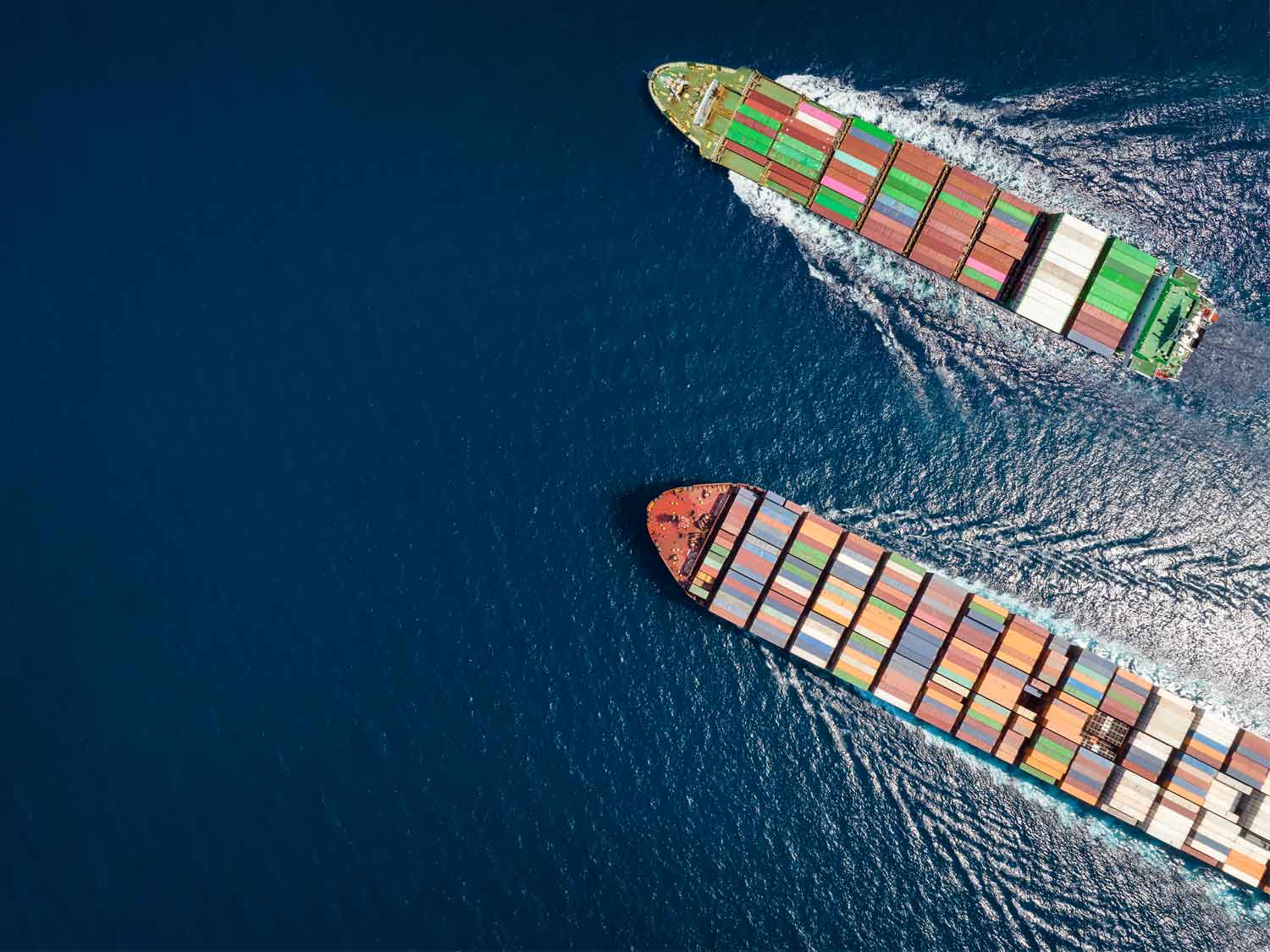
The decline in global container freight rates that began last year, abated somewhat in January on major routes as supply-side efforts to reduce capacity excesses appeared to find some purchase, with capacity deployed on the two largest east west trades falling from 43.7% to 39.8% year on year. 

Poor cargo demand in China and the falling ocean spot freight rates encouraged the leading container shipping lines to make significant changes to global fleet deployment, with 565,000 teu of capacity withdrawn from Asia-North America and Asia- Europe trades last year. 

The highest percentage increase was seen on the transatlantic, which recorded a 16.2% increase in capacity with the addition of 162,300 teu slots, as the transatlantic market remained resilient, despite the demand downturns seen elsewhere. 

The current blank sailing program from Asia to Europe is balancing out demand with -27% of capacity removed until mid of February and the lines are adding more blank sailings, as they deem necessary, to stabilise the market after Chinese New Year and the time it takes for cargo volumes to recover. 

Ex-Asia box rates are back under pressure post-CNY and the Shanghai Freight Index (SCFI) confirms that rate erosion has started again, albeit at a reduced pace. 

And while freight rates have been softening, the carriers’ per- unit costs have increased, because their operational and administration costs increased significantly during the pandemic. 

Some market analysts attribute the more balanced rates seen during the month as a signal that the market is bottoming out, as rates draw near to breakeven points for carriers on major deep-sea trades. 

But even as the container shipping lines struggle to balance supply and demand, many carriers are preparing to receive new build ultra-large container vessels (ULCVs).

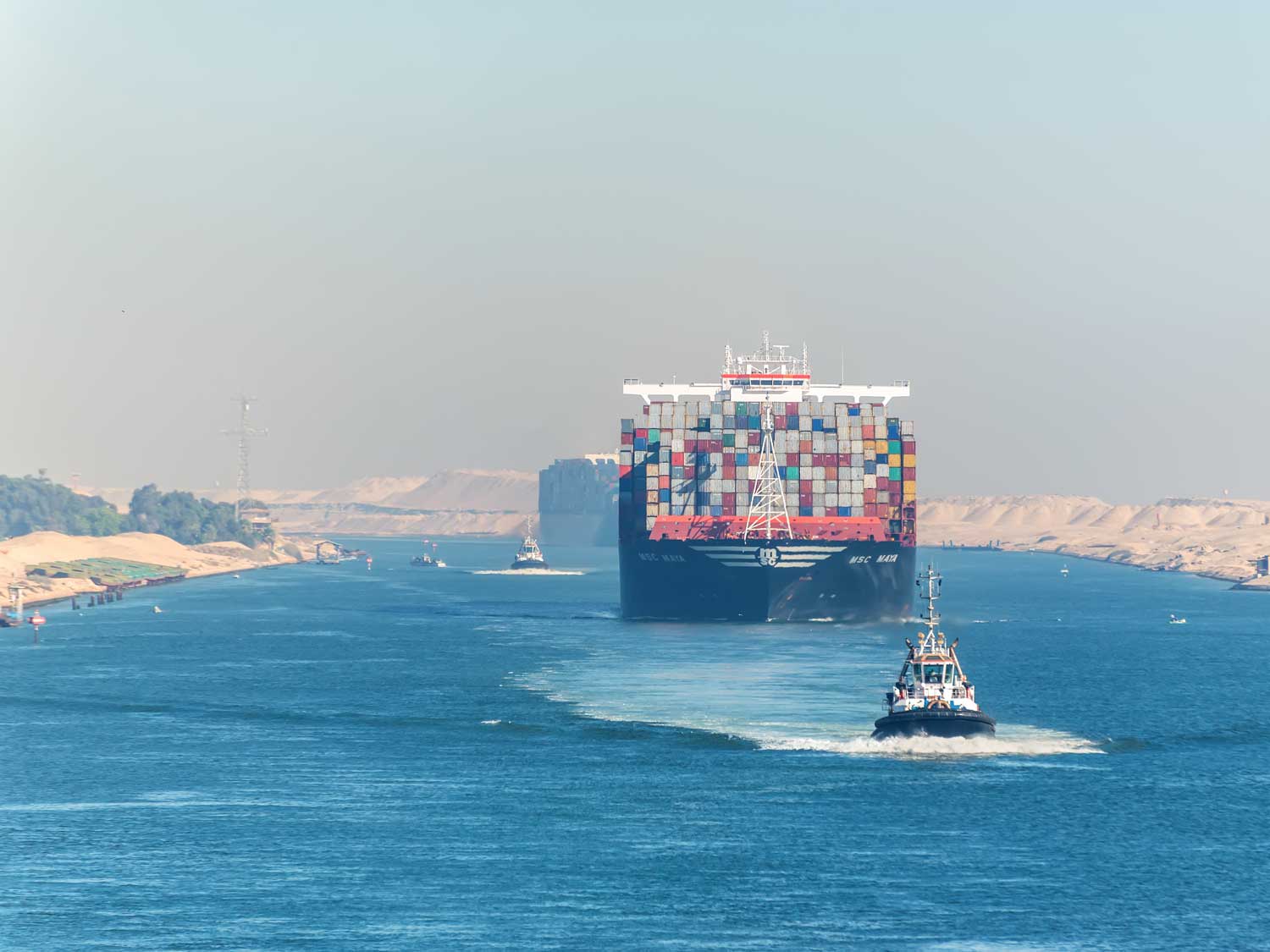
The nine members of the three global alliances plus ZIM and Wan Hai Lines, are scheduled to receive a total of 89 container ships in 2023, ranging in size from 7,000 to 24,000 teu. 

Some of this year’s deliveries may be deferred to 2024, but there are another 100+ vessels already due in 2024, with a further 80+ in 2025.

MSC and Maersk, the two largest container shipping lines in the world, announced an end to their 2M alliance in 2025. Their decision may increase competition, trigger rate wars and put other alliances under pressure, while leaving Maersk, with a limited order- book and an already strained network, looking for alternatives. 

The breakup of the 2M shipping alliance is going to be the start of a total re-shaping of the alliances and vessel sharing agreements globally and especially on the major east-west trades. 

Shipping alliances, VSA’s and new service launches, over the next two years, will alter competitive dynamics on all the major trade-lanes, which is why we will stay close to our industry partners and contacts, to identify opportunities for our customers, strengthen existing carrier relationships, build new ones and help shape whatever finally replaces today’s three alliances.

If you have any questions or concerns about the developments outlined in this month’s sea freight update, please EMAIL our Chief Commercial Officer, Andy Smith, for the latest insights and intelligence.

container ships

2M split by MSC and Maersk to transform shipping from Asia

The planned 2025 split of the 2M alliance, after ten years, by the world’s largest and second-largest container shipping lines - MSC and Maersk - has been looking increasingly likely, as Maersk pursues its integrated strategy and MSC’s expansion has given them the scale to effectively offer a global network without any alliance partners.

In a joint statement on 25th January, MSC and Maersk said that the two companies had mutually agreed to discontinue the 2M vessel sharing agreement (VSA), which coordinates many of the two carriers’ primary east- west services.

Portents for the end of the 2M partnership had been growing, particularly as pandemic driven demand accelerated MSC’s expansion strategy, with almost 250 second-hand container ships and 1.75m teu in new tonnage bought since August 2020.

The announcement by 2M is likely to be the beginning of a re-shaping of the alliances and vessel sharing agreements and most particularly on the major east-west, transpacific and transatlantic trades. It could trigger a complete overhaul of the carrier alliances, as shipping lines in OCEAN and THEA alliances reconsider their strategic options.

There will be changes in the competitive dynamics on all the major trade-lanes, which will have implications for all the shipping lines, and they will need to carefully evaluate the new threats and opportunities they face over the next 1-2 years.

Even if 2M formally runs until January 2025 it should be expected that Maersk’s and MSC’s networks will begin to deviate even more in 2023 and 2024, as they evolve through different VSA and slot-charter agreements.

One thing is however almost certain: MSC is poised to go it alone from 2025, as the only independent large-scale container shipping line that is working outside of any alliance.

The 2M partners currently control 33.7% of the global container fleet, with MSC deploying 25% of its fleet capacity in the 2M setup and Maersk deploying 39%. Both carriers operate the remainder of their fleets on independent services or within other regional cooperations.

Since the launch of 2M, both MSC and Maersk have grown massively, with MSC’s fleet almost doubling from 2.54 Mteu in January 2015, while Maersk stood at 2.89 Mteu, almost three years before the takeover of Hamburg Sud.

Maersk has been very cautious with its fleet expansion. It has refrained from ordering any megamax ships, shying away from the flagships of 20 to 24,000 teu ships, that are now common, in favour of environmentally-friendly ships with 18 x 16-17,000 teu vessels due for delivery in 2024 and 2025. 

These ships will feature Methanol propulsion and Maersk intends to run the vessels in carbon-neutral mode as soon as possible, which will give it a unique ‘ECO’ position in the industry.

Maersk may not have the scale to go it alone, but its carbon-free product needs exclusivity and they are unlikely to want to share capacity on these ‘special’ ships with rival carriers.

The strategic choice for Maersk is to carry on alone, join an existing carrier alliance, or lure shipping lines away from their current alliance to create a new one, which would create a new alliance landscape.

One of the underlying reasons for MSC’s independent strategy may be the increasing scrutiny that the carrier alliances are coming under, and particularly in light of the vociferous shippers anti-competitive complaints during the pandemic and exempting liner shipping from anti-trust rules in the USA and EU.

The breakup of the 2M shipping alliance is going to be the start of a total re-shaping of the alliances and vessel sharing agreements globally and especially on the major east-west trades. 

Shipping alliances, VSA’s and new service launches, over the next two years, will alter competitive dynamics on all the major trade-lanes, which is why we will stay close to our industry partners and contacts, to identify opportunities for our customers, strengthen existing carrier relationships, build new ones and help shape whatever finally replaces today’s three alliances.

If you have any questions or concerns about the developments outlined here, please EMAIL our Chief Commercial Officer, Andy Smith, for the latest insights and intelligence.

US graph

US freight market round-up

There was no pre-CNY transpacific rush this year and with China re-opening, factories are expected to open again in the second half of February, which is why carriers have tried to maintain rates. The CNY has given US ports a respite and most are now clear, with hardly any ships waiting outside West Coast ports and very few off the East Coast and Gulf.

Asia

The traditional ex-Asia space and volume crunch around Chinese New Year was extremely muted and market capacity remained higher than previous years, so we expect blank sailings to continue, as the lines attempt to stabilise rates.

Maersk’s 2022 Q4 volumes were down 14% on 2021 and it announced on Monday the “temporary suspension” of its TP20 transpacific loop, while OOCL’s North American liftings were down 16% over the year.

Despite US retail sales performing well in 2022, amidst higher inflation, global economic turmoil is adding to the uncertainty as to how strong demand from Asia will be in the second half of this year, with the lines struggling to balance transpacific capacity, if demand does not pick up in the summer-fall peak season. 

In the current transpacific environment in which spot rates and demand have fallen dramatically, the focus is now on cutting additional fees, such as detention charges for the late return of equipment, which can add hundreds of dollars to the total transportation cost. 

Shippers want more free storage days and the container shipping lines say (off-the-record) that they’re willing to be flexible on detention if they receive compensatory freight rates.

The container shipping lines claim that their problems have been amplified because their operational and administration costs increased significantly during the pandemic, and while freight rates have been dropping, the carriers’ per-unit costs have increased. On the eastbound transpacific trade-lane the lines claim units costs are up by >40% due to vessel backlogs and inland bottlenecks that add delays and costs to the supply chain, rising prices for bunker and diesel fuel, and administrative costs.

Detention charges normally kick in after four or five days and the daily costs for chassis, which the lines lease from intermodal equipment providers, vary depending upon the contractual relationship they have with the equipment lessor. Other costs are more nebulous, such as the potential revenue that is lost when the equipment sits idle at a warehouse for days or weeks. 

Carriers tend to be more bullish about demurrage charges, which are levied by the terminals when inbound loaded containers are left on the docks after their free days.

Transatlantic

The number of blank sailings from Europe to the U.S. has been minimal despite demand and rates softening and capacity is set to increase as MSC and Maersk are adding more vessels in the Mediterranean loops in the next few weeks.

Falling volumes has assisted the easing of congestion in U.S. East Coast (USEC) and U.S. West Coast (USWC) ports, with equipment availability getting better as congestion eases. 

Low empty stacks at inland depots are becoming established in some areas, but we still recommend equipment pick-up from the Port of Loading if possible and early shipment booking.

From the U.S. to Europe there is plenty of USEC capacity available, but services from Gulf and USWC ports remain tight and the market is stable. Gulf Coast to Europe services continue to have medium to high utilisation levels, though this is softening with the reintroduction of capacity.

ILWU

During the nine-month-long impasse in negotiations, between the International Longshore and Warehouse Union (ILWU) and the Pacific Maritime Association (PMA) dockworkers have engaged in unofficial actions at ports in Southern California, Northern California, and the Pacific Northwest that, although limited in scope and duration, have nonetheless caused disruptions in cargo handling. 

Shippers will continue to route cargo away from the West Coast, until the PMA and ILWU reach a contract settlement.  

Since last Autumn, Los Angeles-Long Beach and the Northwest Seaport Alliance of Seattle and Tacoma have registered year-over-year declines in imports from Asia, while imports through major East and Gulf coast ports have increased.

Air

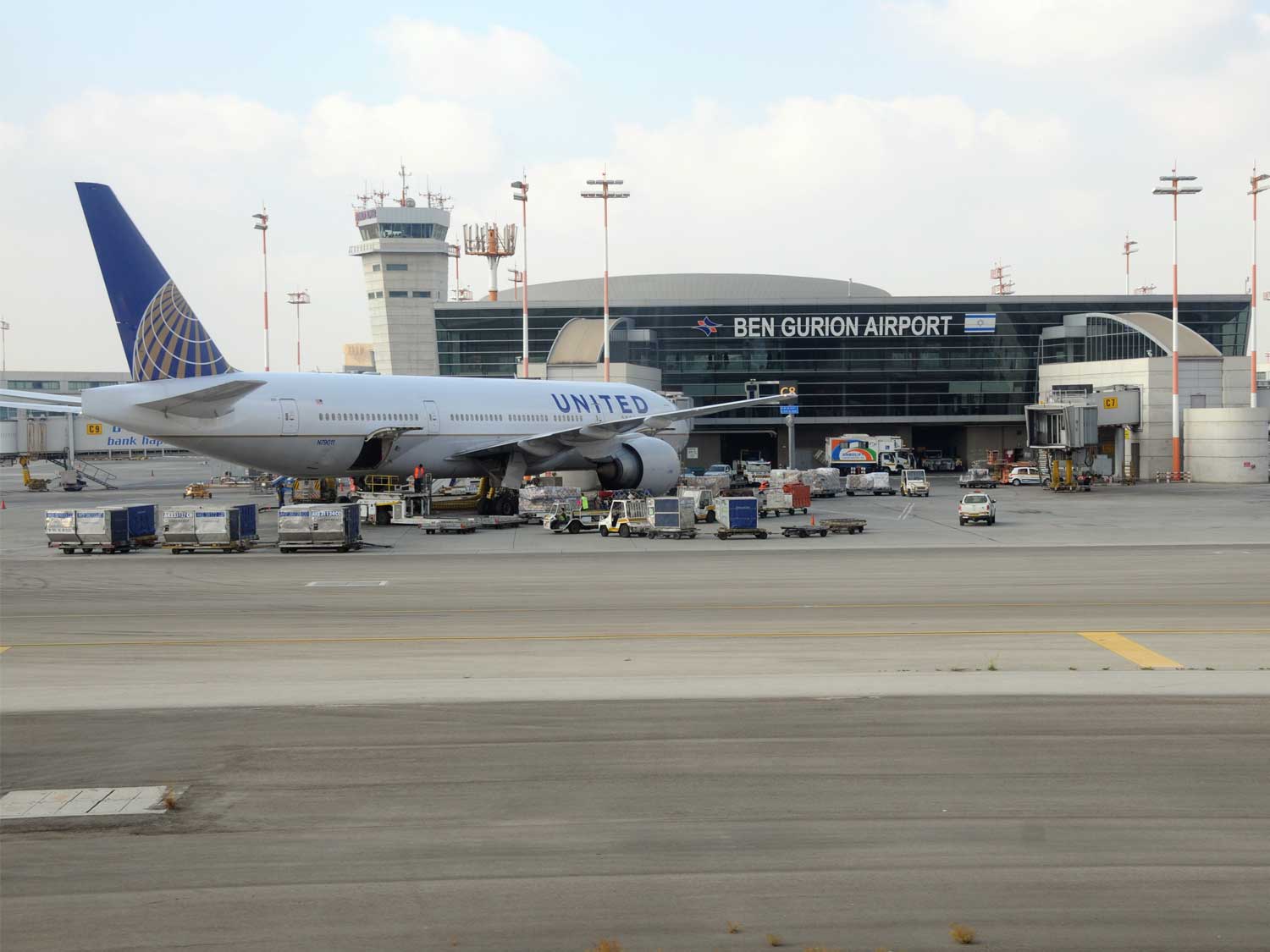
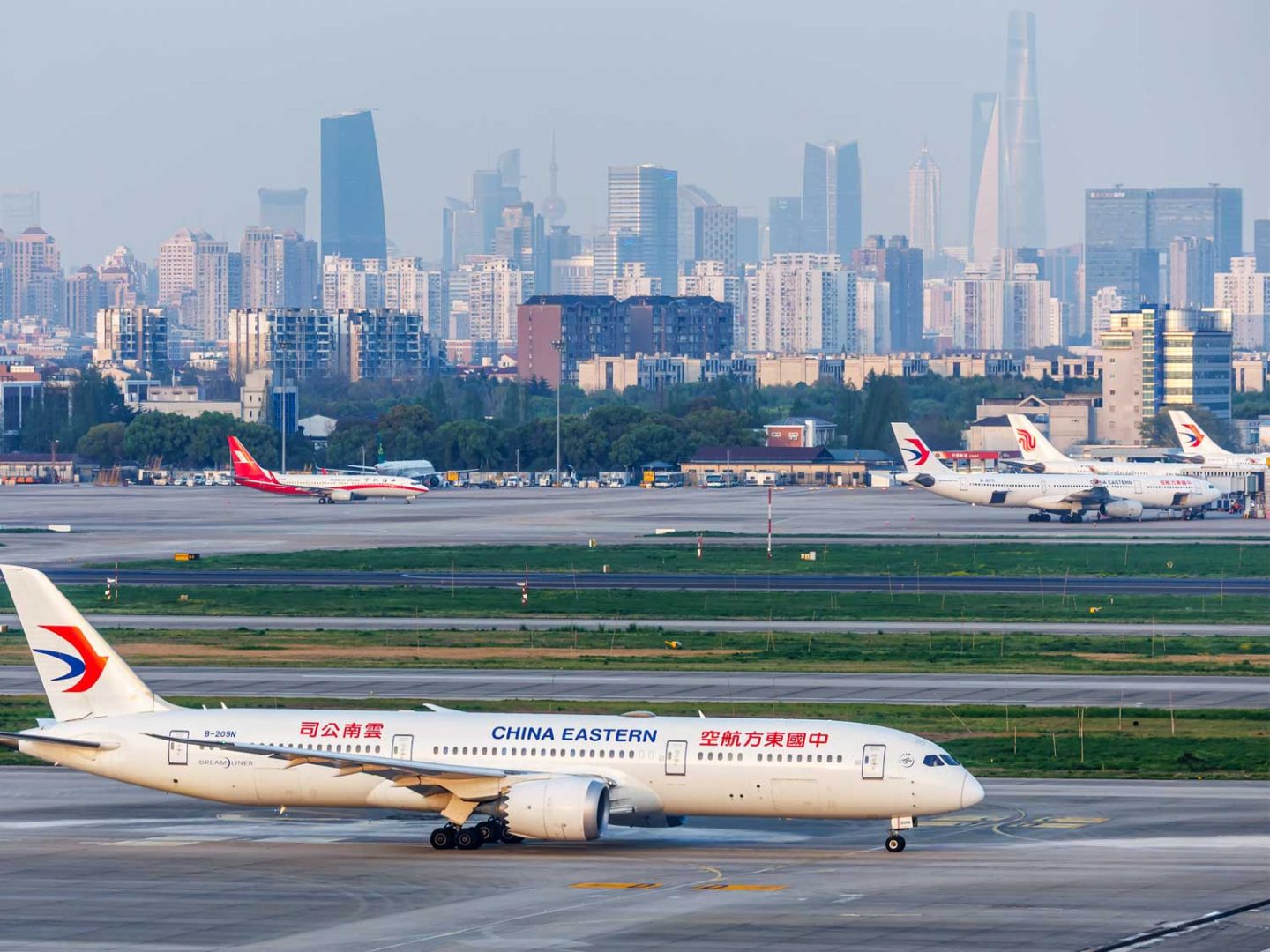
Capacity from Asia continues to outstrip demand, which export demand from the U.S. remains steady to all markets, with airports running at a normal pace.

Capacity is opening up further, especially into Europe and rates remain stable week over week.

We negotiate long-term and FAK contracts with shipping lines across all three alliances to secure space and rates, so that we can provide the best alternatives and options, whatever the situation.

We have avoided huge detention and demurrage costs over the last few years for our customers, through slick entry to and from the USA markets and utilising our own facilities, or partner container yards, to limit the impact.

To learn how we can support your trade with the United States, or to learn more about our ocean and air solutions, please EMAIL our Chief Commercial Officer, Andy Smith.