Picket

The shipper’s new normal

The rapidity of the collapse in air and sea freight rates has given carriers the same level of trauma and shock experienced by shippers when freight rates exploded in  2021 and while the turnabout in the market was anticipated, its intensity and extent is far greater than expected, with shippers very much back in the driver’s seat.

The pandemic triggered supply chain disruptions of the last few years were particularly profound and far outside anything we might expect and while we should not expect new challenges or disruptions to have anything like that impact again, there will always be competitive pressure in the market, that will create capacity issues and rate fluctuations.

Many commentators describe the return of ocean freight rates to pre-pandemic levels as a ‘return to normal’ but 2019, which is often taken as a reference year, was a bad year for shipping company results on East-West routes and carriers’ operating costs have increased by about 30%.

A real ‘return to normal’ would require a return to schedule reliability, normal sailing speeds and freight rates at sustainable levels, to support long-term planning.

None of these three conditions currently applies on the major trade lanes and therefore, it is, incorrect to talk about a return to normal, in these terms. 

And it is important to keep in mind that a normal freight market is not the same as a global shipping market with no changes or disruptions.

There will always be challenges and operational disruptions. 

In the United States, we may have avoided strike action on the US West Coast (subject to ratification), but labour negotiations in Vancouver have failed to avert an ILWU Canada strike, which began on the 1st July, with no end date announced and a drought on the Panama Canal has been impacting container vessels transiting to the US East Coast. 

Just as operational disruption will manifest anywhere, at any time, there is always a point in global supply chains that is being impacted by adverse weather conditions, such as storms or fog. 

It may not feel like it, but all things considered, the markets are much more normal and maybe this will be as good as it gets for the short-term.

It is because businesses need to thrive against this backdrop of a complex supply chain environment that our MVT platform provides end-to-end visibility, with purchase order management and transparency of inventory throughout the supply chain.

Synchronising inventory across all transport modes and locations, with accurate real-time dashboards and reports, MVT provides supply chain executives with the data they need to assess and react to operational challenges.

Please EMAIL our Chief Commercial Officer, Andy Smith, for ‘normal’ insights and intelligence.

Coronavirus hits car carrier fleet

Pure car and truck carrier orders reach new high

As Chinese car exports continue to rise and British car manufacturing continues its resurgence, orders for car and truck RoRo (PCTC) vessels are the highest since 2008.

During the pandemic many PCTCs were scrapped and few built, as working from home depressed vehicle demand, but rising Chinese car exports, up 58% year on year and increased demand from Japanese and European manufacturers, particularly to Europe and the Americas, has seen global tonne-mile trade growing 12% in the last year.

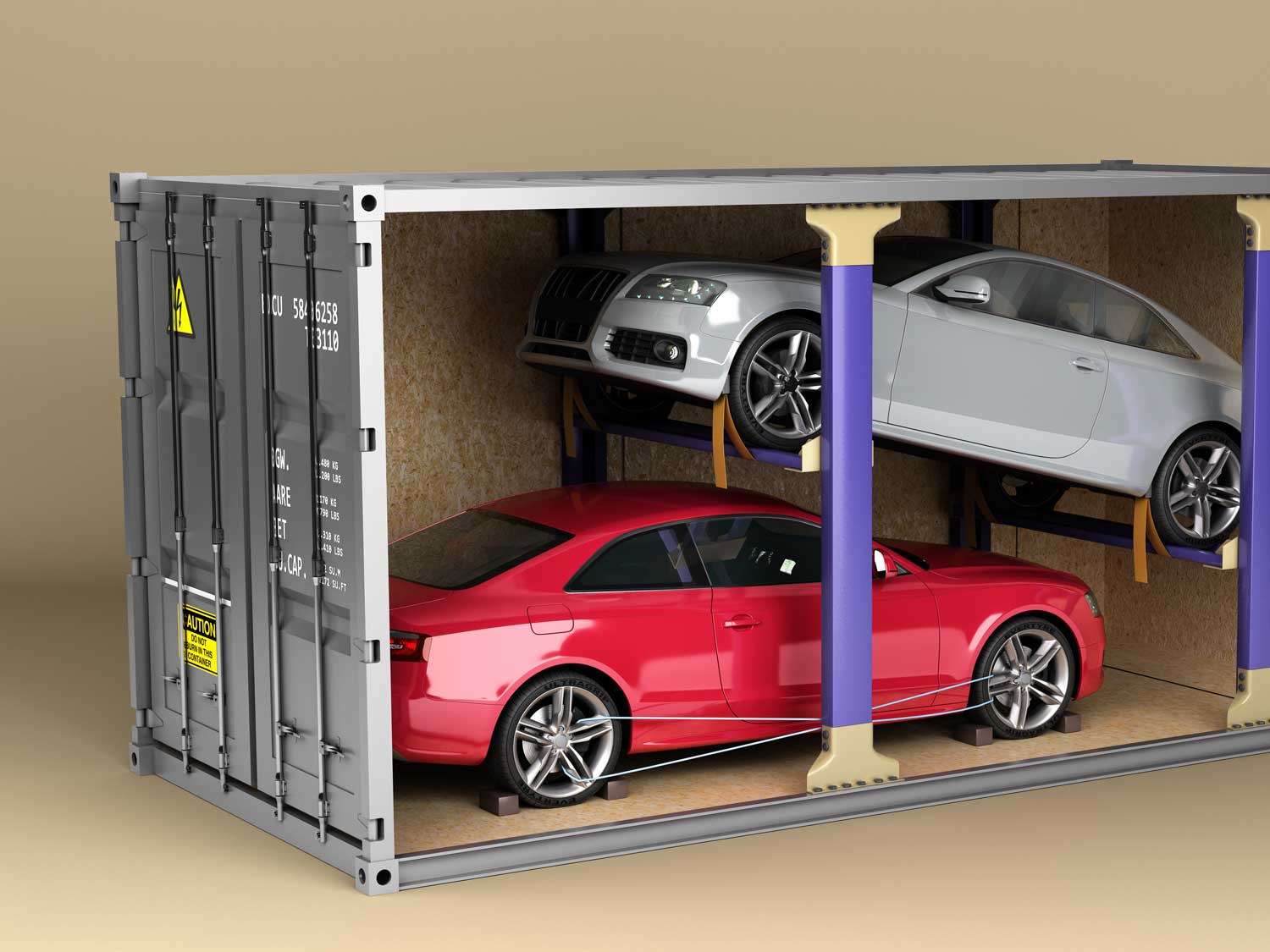
The PCTC shortage has caused daily charter rates to soar with shipowners and two carmakers in China, rushing to build vessels, while many manufacturers are adopting Metro’s container shipping solution, which offers efficiencies and cost savings over RoRo alternatives.

BYD, which make electric and hybrid cars, is ordering six PCTC ships with the capacity to carry 7,700 cars, while state-owned SAIC Motor Corp is tendering for seven new carriers that can each hold 8,900 vehicles.

BYD and SAIC aren’t the first car brands to run their own shipping fleets. Toyota owns shipping company Toyofuji Shipping Co., while Hyundai has logistics group Hyundai Glovis Co., and Volkswagen charters its own vessels.

Last year, 90 PCTCs, totalling 560,000 car-equivalent units (ceu) were ordered, nearly tripling the 38 commissioned in 2021, while so far this year, 33 have been commissioned.

With only 11 vessels expected for delivery in 2023 and China planning to export 2.3m units to Europe this year, the RoRo capacity currently expected will only serve half of that number.

But with container shipping rates slumping, there is a massive opportunity for shippers of finished vehicles to move units on dependable and regular services – without volume constraints – at relatively low cost.

Metro has specialised in automotive, construction and agricultural vehicle supply chains and movement, using road transporters, RoRo, sea containers, air freight, charters and specialised equipment for over four decades

Working with many of the most respected and established global brands, our specialist teams coordinate the end to end movement of vehicles and machinery around the world, regardless of origin or destination.

Long-standing partnerships and volume agreements with the leading container shipping lines means we can offer the widest choice of services, routes and solutions for finished car and KDV movements.

To learn more, or to discuss our automotive capability, EMAIL Ian Tubbs. 

Seattle

US West Coast ports shut by ILWU dockworkers

After almost 13 months of negotiation and agreement on key issues, it would appear that some ILWU members’ patience has run out, as industrial actions shut down or severely impacted operations at the ports of Los Angeles, Oakland, Tacoma, Seattle and Hueneme last week.

Reports in US trade press suggest that negotiations between the ILWU union and employers, represented by the Pacific Maritime Association (PMA), deteriorated over wages, with workers not showing up at some terminals beginning last Thursday night, halting operations and impacting cargo flows at other facilities.

The PMA has accused the ILWU of disrupting operations to leverage negotiations, which commenced last May, while the LWU described the absences as workers expressing their frustration over the lack of progress in the talks with the PMA.

Ray Cordero, Executive Director of  the port of Long Beach, urged the ILWU and the PMA “to continue negotiating in good faith toward a fair agreement”, while ILWU’s International President Willie Adams said talks have "not broken down" and that the union "aren't going to settle for an economic package that doesn't recognise the heroic efforts and personal sacrifices of the ILWU workforce that lifted the shipping industry to record profits."

While the workers’ actions are not formal industrial action and most ports reopened on Monday, there are fears that stoppages could restart and even extend to other West Coast ports, if rank-and-file ILWU members become disillusioned with the labour contract negotiations.

Shippers, that had shifted cargo to other gateways to avoid labour-linked disruption, had begun to switch volumes back, with LA and Oakland reported rising volumes in the past months, and while last week’s disruptions may have been expected to slow down further shifts to the West Coast, developments on the Panama Canal may make shippers cautious about using the East Coast.

Water levels in the watercourses that feed into the Panama Canal’s locks are far below normal, due to drought, resulting in draught limits and rising surcharges for container ships traversing the canal.

The canal authority has steadily reduced draft levels since February, which means the largest ships must take fewer containers overall or cherry-pick lower-weight containers. 

If water levels keep falling as forecast (to all-time lows) the market reaction will be higher shipping rates and a scramble to find alternative routes from Asia.

If you are shipping to, or importing through, the West Coast and have any concerns we can review your situation and, if necessary, prepare contingency plans to protect your supply chains.

There are alternative access ports in Canada, the Gulf and on the East Coast and with a collaborative approach, we will provide the best options to ensure that your supply chain expectations are met.

To learn how we can support your trade with the United States, or to learn more about our ocean solutions, please EMAIL our Chief Commercial Officer, Andy Smith. 

Coronavirus update 24th March

Low speed containerships are propping up rates

Last year the shipping analyst Drewry’s forecast that the container shipping lines earnings would be down 64% for 2023, but added that there were strategic choices available to the carriers, to protect their revenues, with slow steaming a proven method of removing capacity, to protect rates and comply with environmental regulations.

In the first quarter of 2023, the global container fleet accordingly moved at all-time slow speeds, with analysts suggesting that vessels could go slower still which, despite massive falls, will help carriers keep rates higher than pre-pandemic levels.

During the covid pandemic the container shipping lines increased average sailing speed by 4% to meet strong demand and create spare time, because of widespread port congestion. 

In the first quarter of 2023 the average sailing speed has come back down 4% year-on-year and could drop a further by 10% before 2025, to absorb capacity that would otherwise be surplus. 

Across the global container fleet average speeds went down by about one knot, in the last two years, which does not sound like much, but Alphaliner data shows that is about 6% slower overall, which means you need proportionately more tonnage to carry the same cargo volume. 

For the past couple of decades carriers have adopted slow-steaming whenever there is structural overcapacity or high fuel prices - or both - as is the current situation.

At the same time the shipping lines have ordered record amounts of new vessels and additional capacity is now being delivered into a market with minimal demand growth, new environmental regulations, carbon taxes and rising fuel prices.

Maersk and MSC announced last month they would be adding nine new vessels into the Asia-Europe trade, but that these services would be moving up to three days slower than before, thus absorbing all the new capacity. 

As part of plans to conduct field tests of an onboard carbon capture system (OCCS) for container ships in 2024, South Korea’s HMM will replace the propellers on six of its containerships with more efficient ones specially designed for slow steaming, with HMM also expecting to increase energy efficiency by 8-9%.

The transition to new fuels such as LNG, methanol and ammonia also favours slow speeds, since these fuels will be much more expensive than current ones, which makes sense to deploy extra ships and save fuel.  

Despite a 70-80% fall in freight rates over the last two years, and a worsening of the supply/demand balance, it is quite clear that the container shipping lines have been successful in matching capacity to cargo demand, in keeping rates higher than pre-pandemic levels.

Slow-steaming and evolutions in shipping alliances change competitive dynamics on all the major trade-lanes, which is why we stay close to our carrier partners and contacts, to keep track of changes and identify opportunities for our customers.

If you have any questions or concerns about the developments outlined in this eBulletin, please EMAIL our Chief Commercial Officer, Andy Smith, for the latest insights and intelligence.