CMA CGM air cargo 2

CMA CGM join Metro’s drive for sustainable aviation fuel

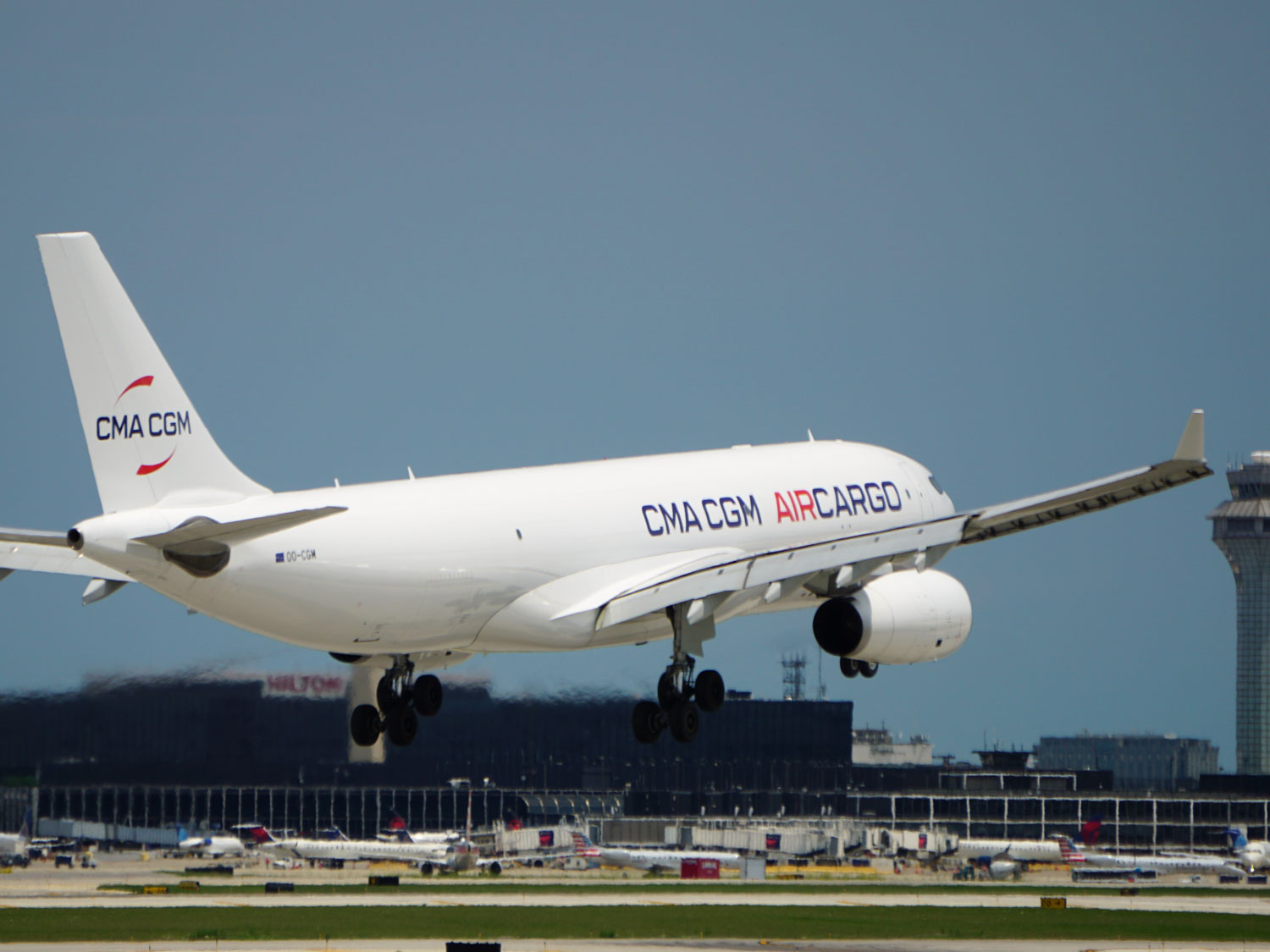
Metro was the first Air France/KLM customer to invest in their Sustainable Aviation Fuel (SAF) programme and we are delighted to see that CMA CGM Air Cargo, though their capacity partnership announced last year, have also committed to reducing their emissions through the use of sustainable aviation fuel.

The capacity partnership announced last year between Air France KLM Martinair Cargo (AFKLMP) and CMA CGM Air Cargo will see the carriers jointly operate their full-freighter aircraft capacity, including CMA CGM’s six freighter aircraft and AFKLMP’s six freighters.

The commercial partnership also covers Air France-KLM’s belly aircraft capacity, including more than 160 long-haul aircraft and will run for an initial duration of 10 years.

Metro has already made its operations carbon-neutral and is committed to extending this zero-emission strategy as far down customers’ supply chains as possible, while the aviation industry has committed to decarbonising by 2050.

Alternative energies, such as electric and hydrogen, will not solve the challenge for the aviation industry, which is why Metro has joined industry innovators, AFKLMP, to support and invest in sustainable aviation fuel.

CMA CGM and Air France-KLM share an ambition to increase air cargo sustainability and have both committed to Net Zero Carbon by 2050.

With unaddressed air carriage CO2 emissions forecast to reach 22% of global emissions by 2050, we believe that SAF is the best opportunity to reduce the industry’s emissions by almost 50%. That is why we welcome CMA CGM to the initiative and hope that other carriers will follow their lead in joining the most effective solution to reduce the aviation industry’s carbon footprint. 

Metro is achieving CO2 neutrality by measuring, reporting and offsetting our CO2 emissions and the same ECO technology we use is available ‘free of charge’ to our customers.

The ‘free of charge’ ECO module, that sits in our MVT supply chain platform, monitors the energy emissions, emission costs and CO2 equivalent emissions, of every Metro consignment, by every mode, globally.

To request a demo or discuss your requirements, please EMAIL Simon George, who can outline our proven carbon reduction strategies and the availability of offset projects.
IMO 2023

<strong>Carbon targets may add more cost for shippers</strong>

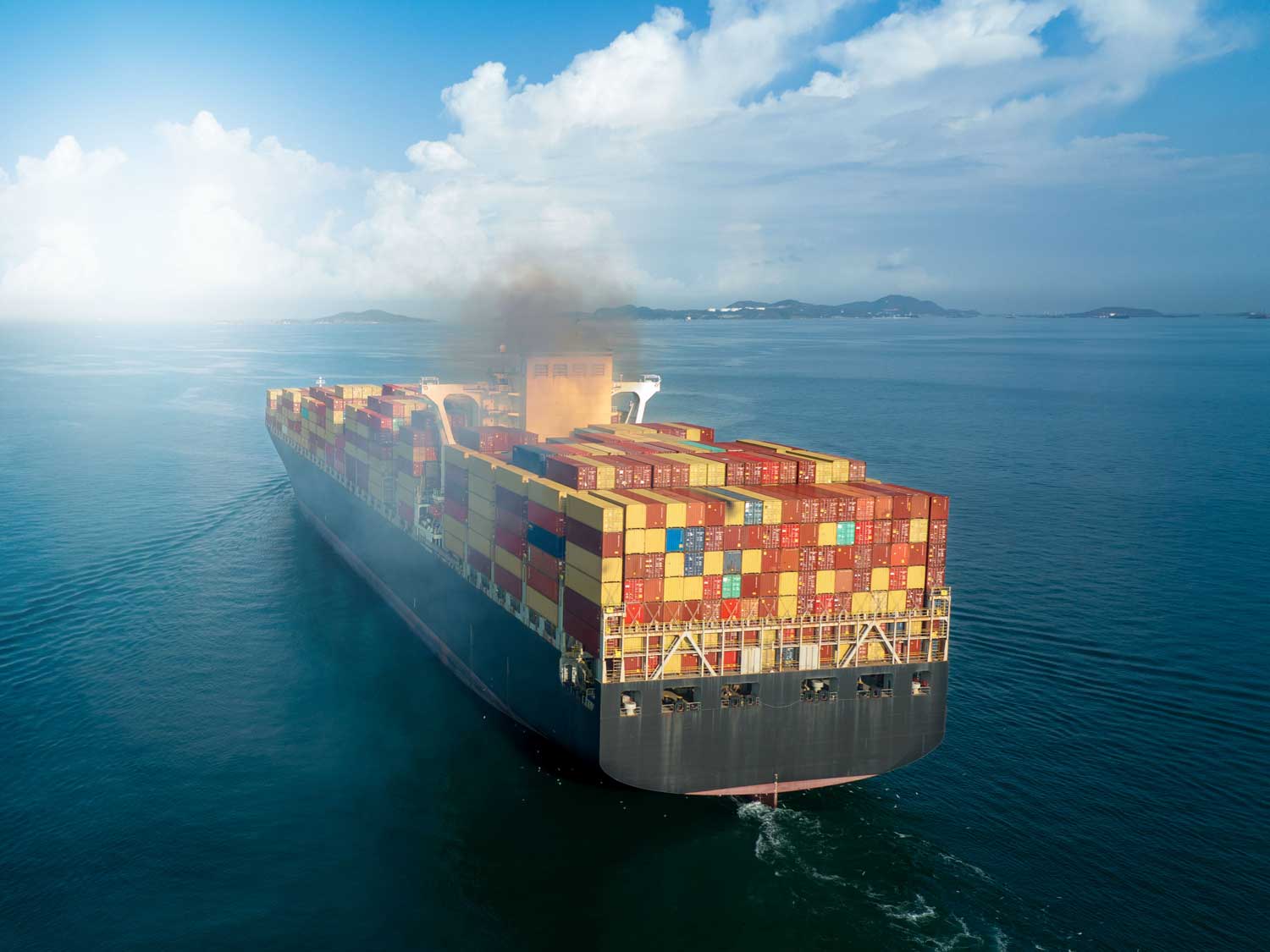
Environmental efficiency, more ambitious carbon emission targets, the possible introduction of a carbon levy and the EU’s emissions trading scheme all require investment by the container shipping lines’ and they will want to pass that investment and increased fuel cost on.

Just weeks after IMO 2023 launched, there are suggestions that the International Maritime Organisation may increase the current objective of a 50% reduction in carbon emissions by 2050 to 100%, requiring more carrier investment and the introduction of a carbon levy, and with the EU rolling out its emissions trading scheme from next year, the combination is likely to drive up sustainable fuel costs.

To achieve the new target, carriers will need to invest heavily in environmentally friendly vessels and fuel ‘scrubbing’ refits and while costs related to decarbonisation are difficult to estimate, forecasts related to the EU Emissions Trading System (ETS) suggest that on the major Asia-North Europe route, bunker costs and emission-related taxes could increase from $312 per 40ft container for very low-sulphur fuel oil today to $568, or about $458/40ft using methanol, a low-carbon fuel.

The Loadstar reports that methanol-powered ships could have a cost advantage over conventional power of $110/40ft as early as 2026, due to the carbon charges - with the caveat that figures would largely depend on market conditions and bunker fuel price over time.

James Hookham, director of the Global Shippers’ Forum, told The Loadstar that discussions for market-based measures represented a clear risk that shipping lines would pass on any tax directly to shippers through BAF surcharges, as the introduction of low-sulphur fuel regulation three years ago saw the costs borne by shippers and not by carriers.

CLECAT, the European association of freight forwarders, believe that it is for the lines to pay for the carbon they use not their customers. The shippers will pay more, as the cost of shipping will increase, but the type of fuel used by the carrier is their choice, so any carbon tax should be borne by the line.

However, according to the World Shipping Council, which represents the shipping lines, new regulations should apply equally to all, and that there needs to be a standard agreement on what constitutes a ‘green fuel’, which includes life cycle emissions, and market-based measures which provide a cost incentive for the lines to use low-carbon fuels.

There will be many factors that influence the cost impact of the carriers’ environmental investments, the adoption of cleaner fuel and the various carbon levies and we will continue to do everything we can to mitigate their impact on our customers.

The ‘free of charge’ Eco module, that sits in our MVT supply chain platform, monitors the emissions of every shipment through our network, by every mode, globally.

The module is under continuous development, with regular updates, including distance calculators, that can be adapted to measure liabilities under the new EU ETS regime.

To request a demo or discuss your requirements, please EMAIL Simon George, who can outline our ECO strategies and offset projects.

European roadmap to recovery

EU carbon tax on shipping is additional cost to IMO2023

Ships emit around one billion tonnes of greenhouse gases every year, or 3% of global emissions and despite IMO 2023 aiming to reduce carbon emissions from international shipping by 40% by 2030 and 70% by 2050, the EU is including maritime emissions in its emissions trading scheme (ETS).

The EU plan will include shipping emissions in the bloc’s ETS, with a three phase-in from next year and means shipowners, regardless of the flag they fly, will have to buy carbon allowances known as EU Allowance contracts (EUAs), to cover all emissions during voyages in the EU and half of those generated by international voyages that start or finish at an EU port. 

Vessel operators will need to surrender EUAs in 2025 for 40% of their emissions in 2024, in 2026 for 70% of their emissions in 2025, and in 2027 for all of their emissions in 2026, based on the preliminary agreement. Full coverage will continue thereafter.

In contrast to the EU’s plan, the UK government is currently proposing only targeting domestic shipping, but there are suggestions that not including international shipping in the UK’s Emissions Trading Scheme will be in breach of its legally binding climate obligations.

Experts suggest that EU ETS carbon prices of around $95 per tonne of CO2 would not make a significant impact in closing the price gap between fossil fuels and zero-carbon fuels for shipping, with a recent report by the University College London’s (UCL) suggesting that an average carbon price of just under $200 per tonne of CO2 is needed to fully decarbonise the shipping industry by 2050, according to the analysis. 

“Initially, the ETS is not going to create a hugely impactful [carbon] price, but it will generate a significant amount of revenue,” said Dr Alison Shaw, research fellow at University Maritime Advisory Services and co-author of the report. 

Based on the scenarios outlined in the UMAS report, the ETS would raise $5 billion in 2030 at a price of around 50 euros ($56) per tonne of carbon. If this price increased to 103 euros per tonne of carbon ($116) by 2030, the total revenue generated from shipping would be $9 billion, according to Shaw. 

The inclusion of shipping in the EU ETS will drive up operating costs for container shipping lines and those costs will inevitably be passed onto shippers, in the form of surcharges.

The first customer circulars on the EU ETS issue from the carriers were in the third quarter of 2022, when the industry was expecting that emissions trading for shipping would come as early as 2023, but due to difficult negotiations at EU level, the plan has been postponed by a year, which is a relief for everyone involved. 

The first calculations on cost effects estimate the cost of pollution rights for transports from the Far East to Northern Europe is 170 euros/FEU, and 99 euros/FEU in the opposite direction. 

For shipments from European North Range ports to the US East Coast the estimate is 184 euros/FEU, with the costs for reefer transports significantly higher due to the additional energy requirements at 276 euros/FEU from Northern Europe to the US East Coast.

Shipowners, unsurprisingly, strongly oppose the EU measure, which they believe puts the EU in conflict with the IMO 2023 initiative and may lead shipping lines to consider shipping hubs outside the EU to lower their costs. 

They could, for example, finish voyages in the Mediterranean (or maybe even the UK) and transfer containers to smaller feeder vessels, with a lower carbon output. 

Its seems unavoidable that the shipping lines will not pass on these additional charges in coming years and that additional cost will be added as a result of the ETS scheme in Europe, and by default the UK.

There will be many factors that influence the costs accrued by EU ETS and we will be doing everything we can to mitigate its impact on our customers.

We will follow carriers adoption of cleaner fuel technology, the economies of scale offered by the largest vessels, the benefits of different routing options, intermodal opportunities and anything else which may provide cost and efficiency savings.

The ‘free of charge’ Eco module, that sits in our MVT supply chain platform, monitors the energy emissions, emission costs and CO2 equivalent emissions, of our customer’s consignments, by every mode.

The module is under continuous development, with regular updates, including distance calculators, that can be adapted to measure liabilities under the new EU ETS regime. When it is rolled out.

To request a demo or discuss your requirements, please EMAIL Simon George, who can outline our ECO strategies and offset projects.

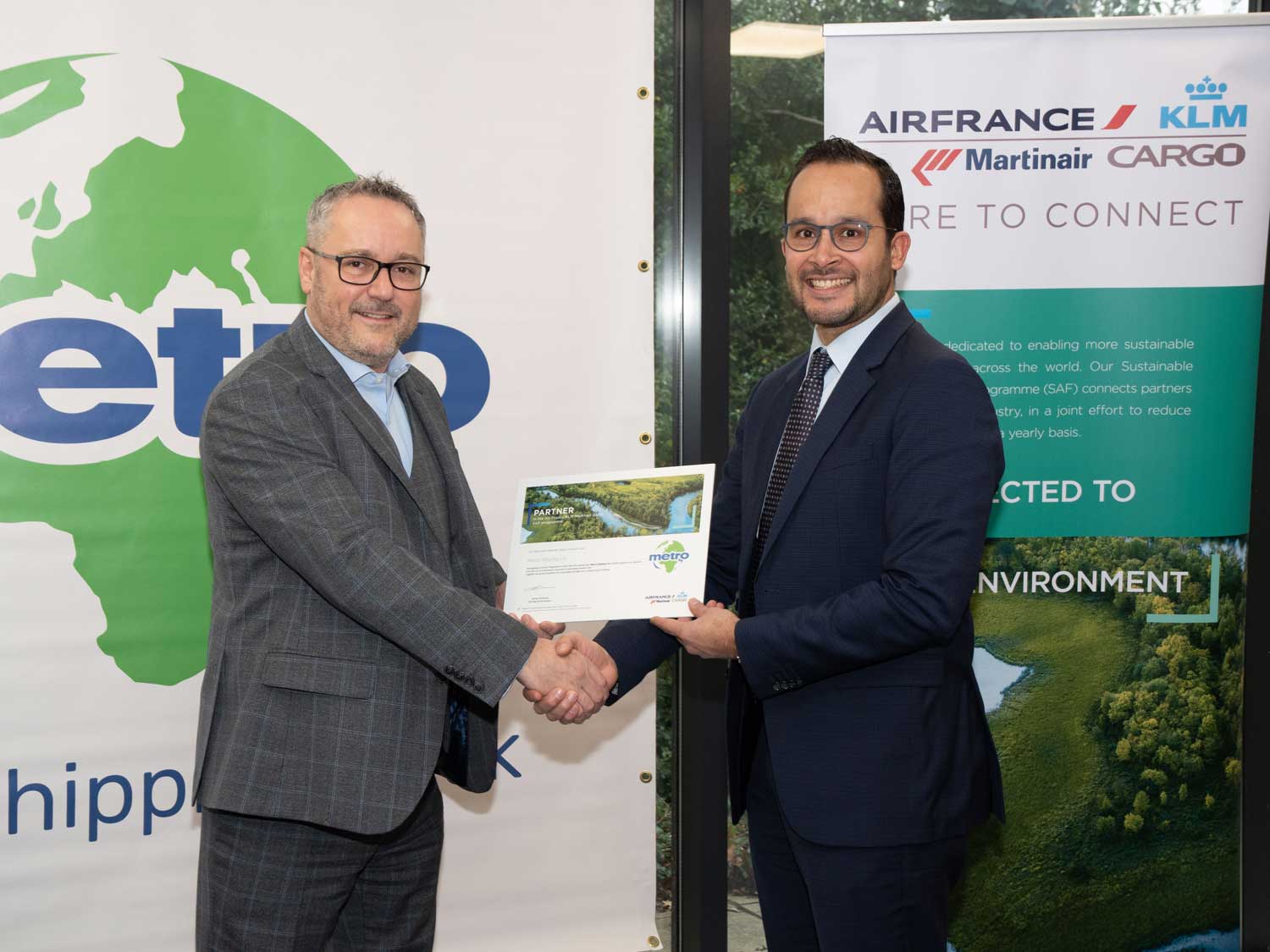
Grant Liddell left Arturo Marte right

<strong>Air France and KLM sign inaugural environmental deal with Metro</strong>

Metro is the first of the airlines’ customers in the United Kingdom to invest in their joint, innovative Sustainable Aviation Fuel (SAF) programme, confirming our shared ambition to contribute to the development of reduced greenhouse gases within the aviation logistics sector. 

(Pictured above are Grant Liddell (left), Metro's managing director and Arturo Marte (right), cargo director, Air France KLM Martinair Cargo.jpg

Metro has already made its head office operations carbon-neutral and is committed to extending this zero-emission strategy as far down customers’ supply chains as possible, which is why we have become the first forwarder to join the Air France KLM Martinair Cargo (AFKLMP Cargo) SAF programme and invest in sustainable aviation fuel.

IATA member airlines and the wider aviation freight industry are collectively committed to making flying net zero by 2050 and Sustainable Aviation Fuel (SAF), which was first flown on a commercial flight by KLM in 2011, and has been identified as one of the key elements in helping achieve this goal.

Aviation biofuels are produced from plant sources, waste oils, solid biomass, or from synthetic biology and can lower CO2 emissions by up to 98% compared to conventional jet fuel.

Arturo Marte, cargo director, Air France KLM Martinair Cargo said. “I’m pleased to welcome Metro as our first UK customer to join our Sustainable Aviation Programme and helping us raise awareness in our industry.”

Grant Liddell, Metro’s managing director. "We are proud to be partnered with Air France KLM Martinair Cargo and take this collaborative approach directly with the airline.”

“Air France and KLM have been pioneering SAF since 2009, but it is still a pioneering technology and Metro’s participation in the AFKLMP programme will help fund the research and development, which can increase production and make SAF available in greater quantities and in more locations.”

“Although it is currently early in the switch to full SAF on cargo flights, this will gather pace over the coming years, and we are already promoting the benefit in greenhouse gas reductions to our customers that are using time-critical modes across the industry." 

The signing ceremony took place at Metro’s head office in Birmingham, with officials from both companies attending, including Arturo Marte, cargo director for the United Kingdom & Ireland at Air France KLM Martinair Cargo, and Grant Liddell, managing director of Metro. 

The same toolkit we use to measure, reporting and offset our emissions, to achieve carbon neutrality, is available ‘free of charge’ to our customers.

Part of our MVT supply chain platform, the ECO module monitors the energy emissions, emission costs and CO2 equivalent emissions, of customers’ consignments, by every mode. 

Reports and key eco statistics related to their movements, allow them to see which areas will benefit most from emissions offsetting and where efforts can have the most impact.

To request a demo or discuss your requirements, please contact Simon George, who can outline our proven carbon reduction strategies and the availability of offset projects.