Emirates increase service

Air freight peak season surge

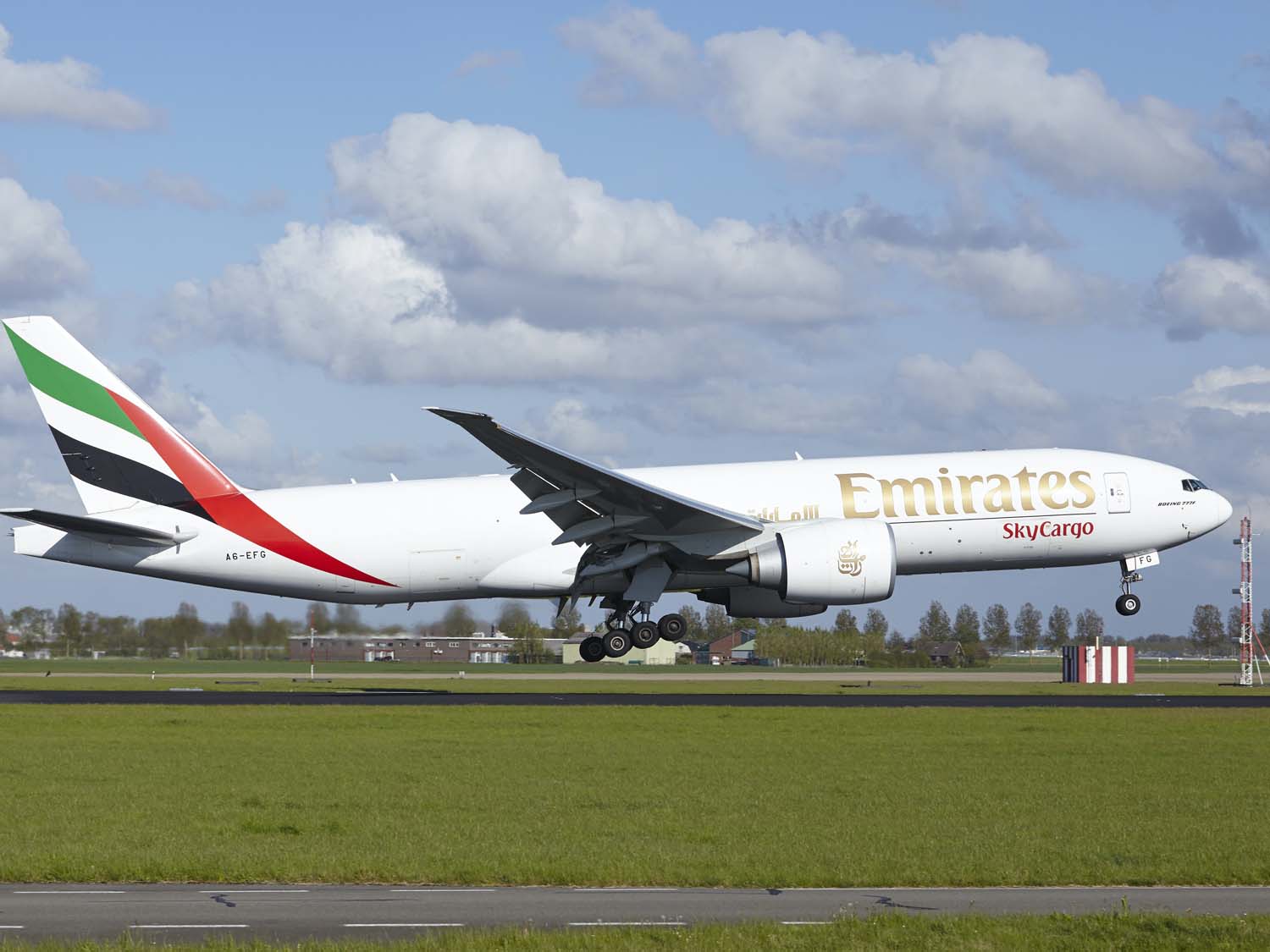
With passenger flights significantly and severely reduced on most trade lanes, scarcity of air cargo space is ongoing, spot prices are entirely unpredictable and the market, in constant flux, is preparing for a major peak season from Asia.

Data from aviation analyst Cirium shows that 3,762 wide-body aircraft, more that 40% of the global fleet, are currently parked, removing close to 100,000 tons of belly capacity from the market. 

The International Air Transport Association (IATA) is not expecting passenger demand to return to pre-COVID-19 levels before 2024, as high levels of COVID-19 infection persist around the world, keeping air cargo capacity tight for the short term. 

With Golden Week just over a fortnight away, at Metro we have been securing air cargo capacity ahead of what we expect to be a tight peak season, as rates start to rise.

Our award winning air freight products and continued communication with the airlines will assist Metro in delivering a reliable and consistent service through this peak season.

The upswing in air freight demand has largely been driven by retailers and general cargo and a surge has to be expected as the hi-tech new product launch volumes begin filtering through.

With the lack of passenger services, a mix of ‘Preighter’ (converted PAX) and pure freight services are the backbone, which means that the summer and winter schedule changes will not be the same as in the years before. 

We will likely see changes to cargo capacity, as airlines are deciding faster on flights and the number of rotations to be added or reduced.

With revenues from passengers down, in the most important trade lanes like Asia, we are likely to see peaks surge driven by reduced capacities, rather than significantly growing volumes (with the exception of the tech product-launches and any vaccine-supply).

If you have any questions regarding these developments or would like further information, updates, or the latest market pricing please contact Chris Carlile or Grant Liddell.
FXT stack

Significant disruption at UK largest container port

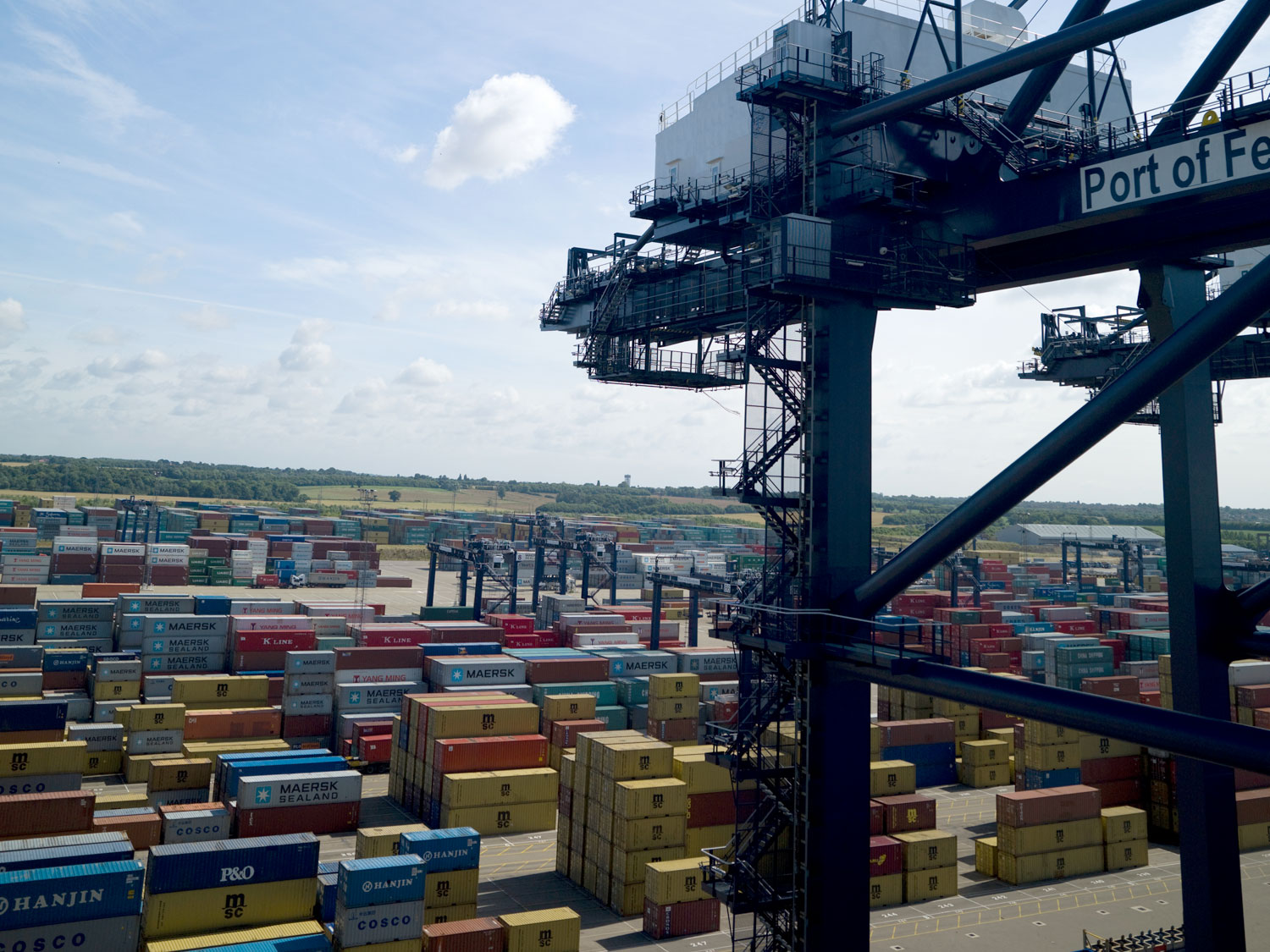
The ongoing impact of Coronavirus on the workforce and terminal operating practices at Felixstowe has reduced productivity which, with unexpected demand spikes, has resulted in high yard density impeding operations and prompted drastic action from port management. 

To clear backlogs and ease port congestion, Felixstowe will not accept any export empty containers at the Port via rail from 1900hrs, yesterday Wednesday 16/9 until 1900hrs next Tuesday 22/9.

Rail providers, who currently account for 35% of the throughput of the port, have been directed to operate with only laden containers on their services arriving at the port and leave empties, which make up 30% of the export flow back to the port, inland or divert to other ports.  

Port of Felixstowe congestion has intensified as management have tried to cope with massive demand increases, in the face of reduced productivity, caused by COVID safe-working practices and the deep cleaning required at each shift changeover, and a scaled down workforce returning from furlough.

High traffic volumes and shortage of port labour is creating high yard density at the port, which is further reducing productivity and has been the reason that vessels are unable to complete empty loading or have diverted to other ports, not loading any empty or export containers.

Apart from the disruption this will have on the already stretched haulage market, rail is a key component in intermodal transport, which will increase costs dramatically to hold empty equipment inland and run empty rail slots to the port.

In addition to the impact on transport services, the slow down of equipment returning for repositioning, will put further pressure on global inventory demands.  

With one major carrier already stopped from returning any empty equipment to the port by any mode we understand warnings have been issued to other carriers that empty receipt may be suspended or reduced by this weekend, by any mode.

The situation is serious, as road haulage is already stretched and given the limited off-dock storage options at Felixstowe, very quickly the capacity to perform import haulage will be reduced if hauliers are unable to return empties to clear trailers.

Metro is working with our intermodal partners and has already started to triangulate empty returns to other ports by rail, to reduce the pressure at Felixstowe and avoid costs inland / container detention charges which carriers are unlikely to continue to charge.

Please call Grant Liddell or Ian Barnes for the latest updates and market position. 

container

Container shortages in China

Port operations have been severely diminished and inland distribution massively disrupted by the coronavirus, lockdowns and safe-working practices, which delay the unloading of containers and repositioning of equipment back to China.

As European importers struggle to return empty containers to China, fears grow of container shortages threatening supply chains in the current peak shipping season.

The unexpected demand spikes in July and August that followed the reopening of the economy, has left carriers struggling to reposition empty containers in Asia and especially China.

Containers of all sizes are increasingly in short supply, with Maersk CEO Søren Skou confirming that equipment has been stuck in Europe and the US and is slow in finding its way back to Asia. Though he was quick to stress this did not apply to Maersk.

We are seeing equipment shortages of 40ft HC primarily, but also 40ft GP’s in Shanghai, Ningbo / Southern China. 

This experience continues in North India markets, though this is primarily due to ongoing lockdown and limited transportation to reposition.

Regional weather conditions are adding to the repositioning problems, with typhoons and fog throwing vessels off schedule across Asia, resulting in vessels skipping ports and not dropping off empties, adding to the shortages.

Some fear that the equipment shortages may be exacerbated by strong demand in the US for electronics, e-commerce and medical equipment, lasting into October, and possibly beyond.

We are keeping our customers informed of the evolving situation and will continue to work closely with our customers and overseas partners to get good accurate forecasting. 

We are encouraging customers to apply for EIR’s (Equipment Interchange Receipt) as early as possible, as this greatly improves the likelihood of getting the right equipment positioned promptly. 

We also make use of alternative and adapted solutions, to keep supply chains operating optimally, including combinations of 20’ and LCL and also air freight / sea air options for urgent cargo. 

It is during supply chain challenges that the value of Metro’s MVT tool is clear. Its real-time visibility gives customers control (down to item level) and the intelligence to take date-driven decisions confidently.

Finally, we reiterate the need for shipping forecasts providing visibility so we can ensure we are well positioned to cover the container equipment shortage. 

COVID impact on UK transport

The perfect storm threatening container haulage

The perfect storm threatening container haulage 

There is not an industry sector that has not been impacted to some extent by the COVID-19 pandemic. Even those deemed ‘essential’ have had to battle unprecedented economic and operational challenges, but few have felt the impact quite as keenly as the hauliers that serve the container sector.

Container haulage operations have been challenged across many fronts, pre, during and after the country’s lockdown and their travails (and by association Metro and our customers) show no signs of abating any time soon.

We outline below some aspects of the ‘perfect storm’ events which are currently causing issues for us operationally. 

Increased demand on road haulage

  • Almost 25% of containers move inland by rail, but many of the services taken out at the start of the COVID crisis have yet to be reinstated. 
  • Unexpectedly high volumes of ‘peak season’ containers - particularly at Felixstowe and Southampton - have no rail connections, creating congestion at the terminals and putting greater pressure on pure road transport.
  • Vessels schedule disruption, due to earlier changes to transit, weather delays and Covid related issues are disrupting haulage forecasts.
  • Congestion and port disruption means vessels are being increasingly diverted from original port of destination, putting pressure on new port of arrival and exacerbates road performance, as equipment is out of position.
  • Rail failures as vessels arrive late, with trains scheduled to depart, but booking windows impacted as containers are not available as expected.

Reduced road haulage capacity 

  • Trailers handed back during the pandemic are not being returned, which is really impacting drop and swaps.
  • Drivers who were furloughed have moved into other sectors which pay better, reducing the pool of qualified drivers available to the container sector.
  • Driver summer holidays are also reducing the labour supply.
  • Agency drivers are available, to fill some of these gaps, but the container sector can’t afford to pay them, particularly as many hauliers lowered tariffs during the lockdown, under pressure from the lines and cannot now recover rates.
  • EU drivers that have travelled overseas for holidays have not returned due to Brexit transition and quarantine regulations.

COVID related impacts

  • Regular operational pauses for deep cleaning and COVID safe working practices at all ports means that terminal operating hours have been slashed, creating delays in all areas.
  • DC and warehouse social distancing measures are resulting in much slower container unloading, creating delays inland and reducing the numbers of collection/ deliveries drivers can make, including complete cancellations due to drivers hours.
  • DC’s and warehouses struggling to cope with late arrivals and still working with reduced hours and social distancing resulting in unload failures and then having an effect on next day delivery/ collections.

We are doing everything we can to avoid and mitigate the issues outlined above.

For each vessel arrival, our teams work to identify and avoid potential issues, with a proactive approach that is a standard part of our service and solution.

Our expectations are that the current situation will continue for the rest of September and then improve as adjustments are made to the haulage fleets and more drivers join to increase capacity.

Metro is trying to avoid any delays or disruptions to first/final mile movements, transport movements and we are working very closely with our partner hauliers and rail providers. Please call Grant Liddell or Ian Barnes for the latest updates and market position.