

lockdown

The impact of another national lockdown

As 70% of England move to Tier 3 on Saturday and Wales announce strict new lockdown measures from the 28th December, we consider the impact of a further national lockdown on operational and freight infrastructure.

The COVID pandemic has starkly highlighted our reliance on, and the fragility of, extended supply chains to lockdowns and the subsequent economic demand that congests them.

Through supply chain management systems, like Metro’s MVT (my visibility tool) platform, the global connectedness of business is more visible than ever before, so what can we do to address the impact of future restrictions on those areas where we only have indirect control.

When considering supply chain resilience, we tend to look towards options for failsafe and  maintaining efficiency across the geographic locations of our supply chain paths.

Against a potential backdrop of UK and localised restrictions irrespective of geography, it is essential to fully understand the impact on our operations and of the suppliers and critical participants we rely upon.

These ‘critical participants’ comprise a vast array of ‘essential workers’ in supply chain infrastructure - from delivery drivers, to warehousemen and dockers - all of which is diminished significantly by lockdowns and COVID-safe working practices.

Building resilience requires a view of the supply chain that is dynamic and fact-based, such as the visibility provided by MVT, which can be re-aligned to reflect the changing formation of the supply chain.

We need to start by considering the impact on the supply chain if a particular service were to suddenly stop and how long the business could continue without further supply.

These answers will help develop buffer stock and supply chain staging strategies that will not disrupt customer operations.

The current supply chain congestion, that is impacting carriers, origin and destination ports and landslide operations, is forecast to continue up to Chinese New Year in February. Any additional UK lockdown will further extend and exacerbate this period of disruption, adding further delay and cost.

Metro advise customers on alternative routings and transport modes, that reflects their cargo’s urgency and overcomes obstacles, which may change during transit.

Traders should also consider their suppliers’ dependency on further supply tiers and the disruption or reduced service that may follow further restrictions on any of these tiers.

There have been plenty of trade journal articles documenting cancelled confirmed orders, refused payments and suppliers left to foot the bill of disruption and doubtless these decisions are being taken as protective measures. Buyers should always take time to consider the future ramifications of short-term decisions and reactions.

During any future lockdowns, this may play a pivotal role in whether a critical part of the supply chain choose to support the buyer’s organisation. 

The longer term collaborative strategy is Metro’s preference, in becoming our customers’ ideal partners – becoming as invaluable to them as they are to us.
Christmas

The supply chain at Christmas

This year may become notorious for the global COVID pandemic, but its impact is having the most profound impact on global trade and supply chains, disrupting normal operations and tearing up the best-laid plans.

This weekend the BBC reported how the Swedish furniture favourite, Ikea, was forced to apologise to irate customers, waiting for late orders, after facing unprecedented stock shortages caused by persistent congestion at UK ports since the summer.

The UK’s primary container ports, and in particular Felixstowe, have been struggling to cope with massive import volumes, triggered by unforeseen consumer demand, the economy reopening after lockdown, Brexit stockpiling and the Christmas rush.

Part of the problem for Felixstowe was a shipment of 11,000 containers of vital PPE, ordered by the government, blocking other ships from entering the port, creating a serious congestion issue, that is still being overcome.

Container ships have been diverting to other UK ports for several months and, as congestion continued to increase, 50% are going to alternative ports in Europe as ports are cancelling berthing slots due to no container storage capacity.

Inevitably congestion has now built at ports in Northern Europe leading to extreme delays, with container yard utilisation rising above capacity, increasing dwell time, restricting the movement of containers and lengthening turnaround times of vessels.

In response some shipping lines are taking the excessive step of off-loading UK destined containers in North Africa, to maintain schedules, adding significantly to total transit time.

The BBC outlined how imports ranging from building materials to toys and fresh food have been held up due to ongoing issues at the ports, causing headaches for businesses.

Carmaker Honda even had to pause production last week due to a shortage of components and the British Ports Association (BPA) said the issues were now "cascading", with long queues of traffic outside lorry ports becoming increasingly common.

Surging global container movements, busy pre-Christmas period and more goods coming in before the Brexit transition ends are putting pressure on the logistics and storage sectors in the UK and mainland Europe.

Supply chain problems have been exacerbated by the backlog of orders in Chinese factories, where staff are working overtime to clear shipments that were delayed during the peak of the pandemic.

Factories in China have been running flat out since March, pumping out export order after export order and that has led to a capacity issue for the shipping lines, which has created challenges in finding empty containers and getting them on boats, which has resulted in increasing shipping costs, as demand has kept rising.

And now shipping lines have stopped taking bookings until the end of December as the heavy and sustained demand has overwhelmed the container supply chain, creating yet another challenge for shippers trying to get cargo out of China ahead of the New Year holiday in February.

It is likely that congestion, vessel bunching, and equipment shortages will last until the Chinese New Year factory shut-downs relieve pressure on the global supply chain. 

Metro’s commercial experts monitor the container market from Asia daily and are in continuous contact with our origin teams to assess and react proactively to new developments. 

Our supply chain management platform, MVT, connects shippers to their suppliers, manufacturers, carriers, distribution networks and customers and is invaluable in times of uncertainty, such as these, by providing complete real-time visibility, control and intelligence.

We will always provide all options of work arounds regardless of the challenges. Please contact Ian Barnes or Grant Liddell for further information and latest advisories. 

Coronavirus update 27th March

Forwarders and shippers face double air whammy

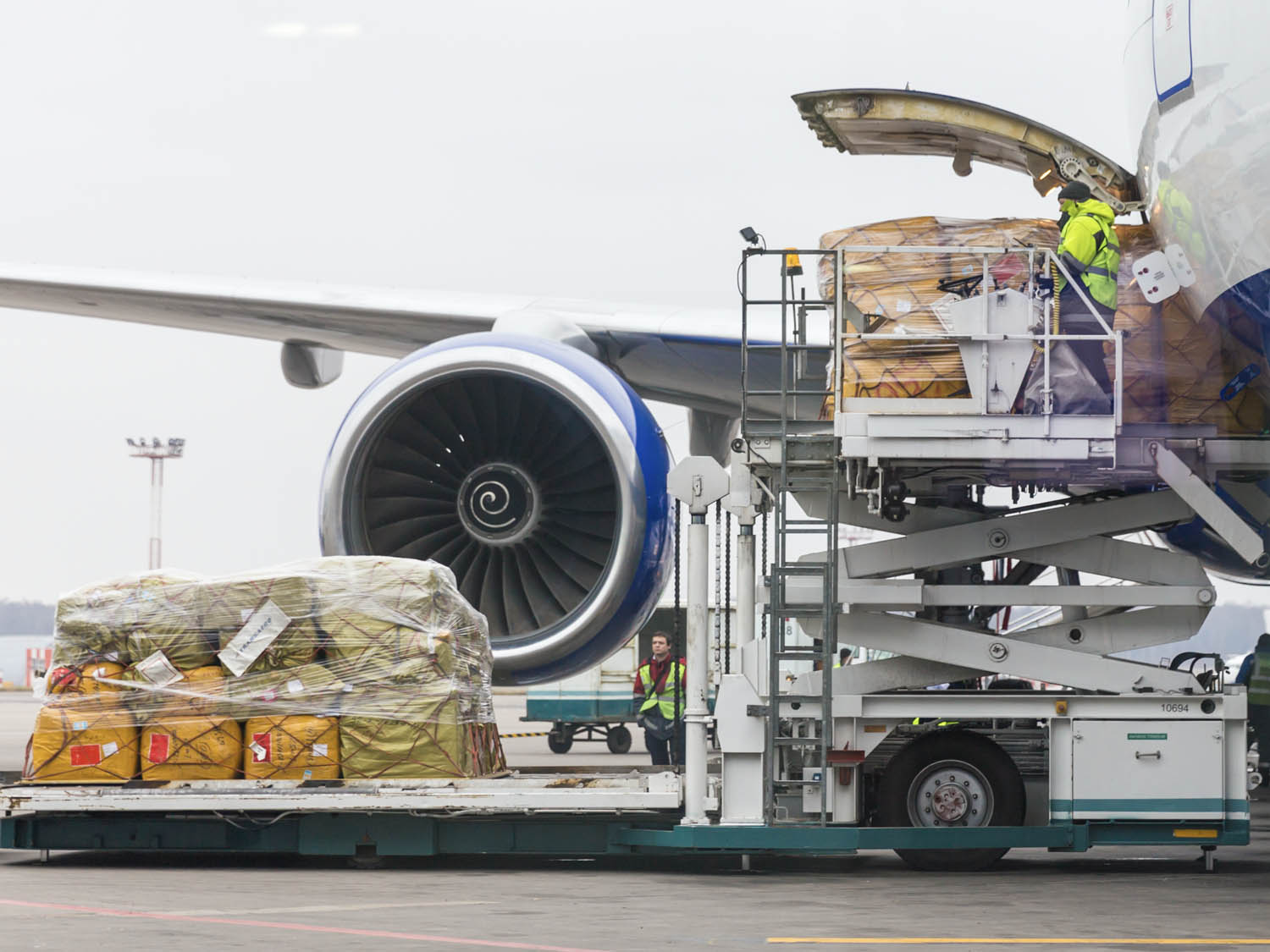
The rollout of COVID vaccines is slowly but surely restricting access to air freight services for other cargoes, at the same time that cargo handlers in the UK unveil massive price increases, that will directly impact the costs paid by air freight shippers.

Just days into vaccine roll-outs and we’re already seeing regular shipments removed from flights, to create space for vaccine distribution.

The distribution of COVID vaccines is going to be complex, with multiple freight networks serving global destinations, according to manufacturing sites and government orders. 

The Pfizer/BioNTech vaccine, which was licensed by the UK last week, is made in Belgium and three sites in the US, while BioNTech is reportedly considering sites in Germany.

Along with Russian vaccine Sputnik V, there are five potential Chinese-made vaccines as well as the much-publicised Moderna and AstraZeneca options.

Chinese vaccines are flying from Beijing to Brazil and Shenzhen to Africa, while huge tonnages of COVID testing kits are heading to the EU from Korea with top priority, mainly to Frankfurt. Over 1,000 tonnes are scheduled for direct freighter services to all EU/UK lanes in December.

The Korean testing kits have competition for capacity, with automotive parts from Hyundai and Kia destined for Vienna and Frankfurt. Originally destined to travel by sea, but with ocean capacity “full until January”, the manufacturers have no choice, but to use air freight.

We are already seeing direct airlines increasing rates depending on space availability and fully expect deferred airlines to follow the same tactic.

Given the challenges that COVID distribution is creating around capacity and cost, it is unfortunate that we see the ground handlers at the UK’s airports announcing air terminal handling charge increases.

The announced handling costs vary between £0.18 to £0.25/kg, with some handlers also imposing COVID charges.

The problem for forwarders and our shipper customers is that we are a captive audience, we have to use the handlers the airlines use, and we just have to pay.

Handlers claims that their costs have gone up as a result of the pandemic, with unexpected operating cost increases due to the challenges of maintaining operations in the COVID environment, including the cost of providing protective equipment for their staff.

Whatever the justification it is rare that we see, once imposed successfully, cost increases reversed.

Metro flex cargo volumes between our Heathrow and Birmingham airport operations, to optimise rate fluctuations and handling costs.

For further information on our air freight services and solutions please contact Elliot Carlile or Grant Liddell.

container lorry queue

UK port congestion is not easing

Congestion at UK container ports which commenced in the Summer at Felixstowe, before filtering out to Southampton and London Gateway, is continuing despite all efforts, with Japanese carmaker Honda warning that production at its Swindon plant will be disrupted.

Problems at the UK's container ports have been building for several months, with shipping lines altering schedules and diverting ships, with shippers complaining about consignments being delayed, or even ending up on the wrong side of the channel and now a major manufacturer has admitted that its production will be disrupted.

The situation at Felixstowe, London Gateway and Southampton has worsened over the past 10 weeks due to a number of reasons, including high import volumes, the approaching Brexit deadline and peak season preparations, as well as a lack of storage space and yard congestion.

The operational issues at Felixstowe have been evident for some time, with reduced capability due to safe-working practices, too many containers on the terminals and the vehicle booking system, which many hauliers claim simply doesn't work, preventing them getting into the port.

In recent weeks Southampton has been plagued by bad weather impacting performance, with operations suspended intermittently last week - and again this week - with fog closing down operations for extended periods.

Truck turnaround times at the terminal have been particularly hit, with fog suspending port operations on Sunday and again on Monday night, with average turnaround times running at 172 minutes according to DP World’s web site. Though we expect these time to reduce as the port clears the backlog.

Haulage capacity is becoming increasingly scarce at all UK ports, with many hauliers booked solid and we would encourage shippers to advise us of any requirements prior to Christmas as early as possible, so that we can make appropriate haulage arrangements.

This is only one element within the supply chain that is currently impacting on global containerised movements, especially from Asia. 

Origin equipment shortages, unreliable carrier schedules, global port failures, carriers avoiding and skipping the UK schedule and offloading containers in Europe along with a much higher level of demand than has been forecasts is creating a very volatile situation in shipping. 

It is anticipated that this will extend at least until Chinese New Year and possible beyond. Metro are fully up to speed with all market conditions and we will continue to provide visibility on the real situation and options that we have available to overcome the current challenges. 

For further information and the latest advice on the current market please contact Ian Barnes or Grant Liddell for an immediate update.