Shanghai lockdown 2

COVID update: Shanghai lockdown impact

China’s economy grew faster than expected in the first quarter, expanding 4.8%, but the risk of a sharp slowdown over coming months has risen as Shanghai’s lockdown is extended indefinitely and further COVID-19 curbs may follow. 

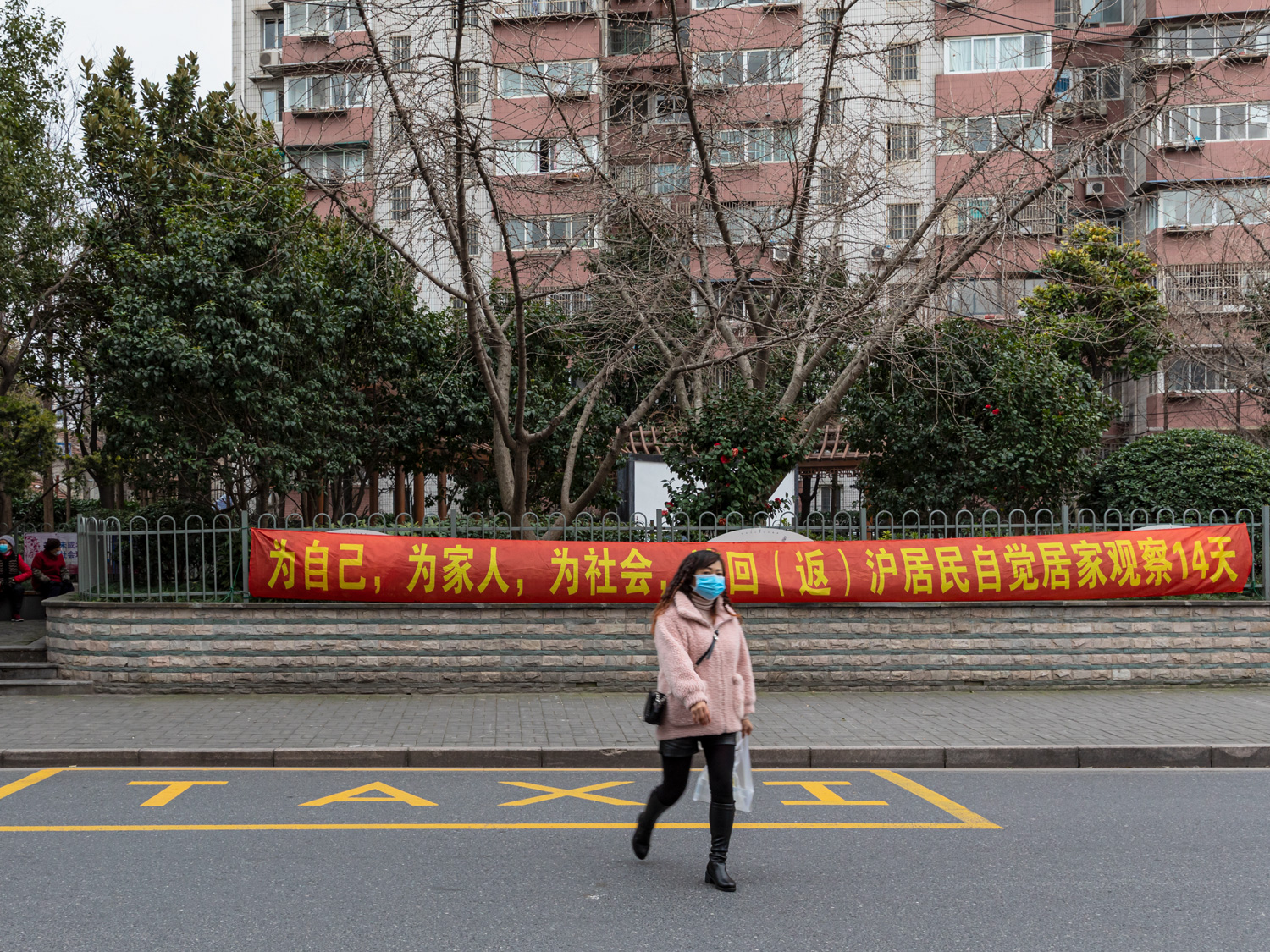
Nearly all of Shanghai is now under lockdown, with most residents unable leave their homes, even for food, while some businesses are operating under “closed loop” conditions, where workers sleep on site.

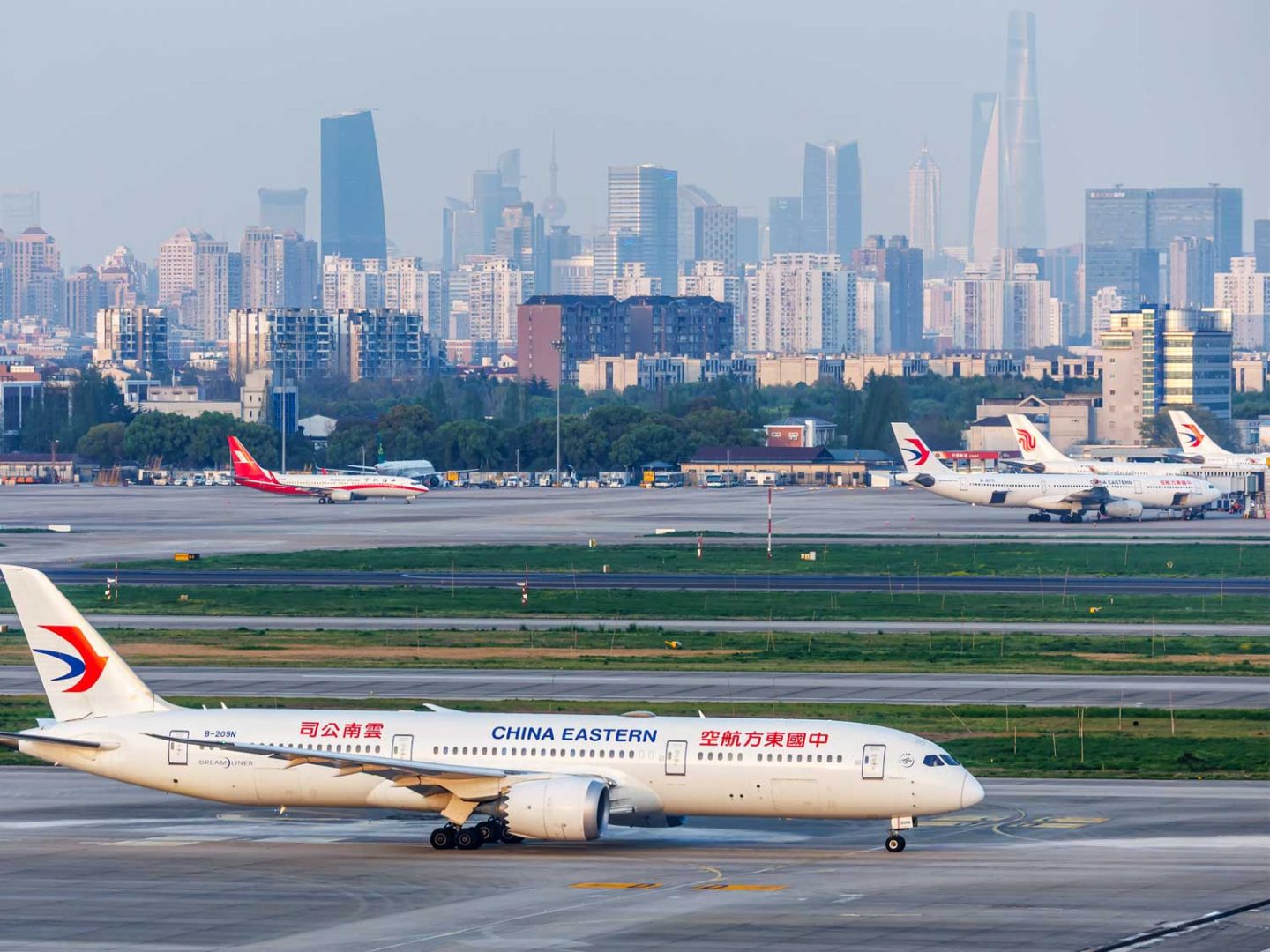
Cargo deliveries into Shanghai Pudong Airport, meanwhile, are becoming backed up. Prior to the city’s lockdown, around 1,000 consignments would typically arrive each day, with a collection rate exceeding 80%, but because there is not enough trucking capacity, due to driver isolation rules and restrictions on vehicle access to the road infrastructure, that pick-up rate has slumped to just 10%.

In addition, many other airports throughout China, are becoming very congested and flights are having to be cancelled or diverted due to operational issues. Zhengzhou Airport (CGO) has effectively been closed for the next week, due to an influx of air freight, as a consequence to the issues in Shanghai and the surrounding region. This is having a huge impact on rates and available capacity, as well as carriers suspending inbound freight into China, due to 10-day backlogs in accessing the cargo once it has arrived. It really is quite a mess.

Cross-province road transport and the different restrictions and health requirements imposed locally, mean truck drivers are having to manage an array of policies and typically wait hours, each time they need to undertake Covid tests, with other cities becoming more reluctant to let trucks from Shanghai enter.

Shanghai International Port Group (SIPG) has denied there were more than 300 ships waiting to load or unload at the port earlier this month, insisting they are maintaining normal 24-hour operations and that the average berth waiting time for container vessels was less than one day. Real-time vessel tracking platforms tell another story!

While there has been no noticeable diversion of container ships from Shanghai so far, increasing quantities of cargo is being diverted to alternative ports, including Ningbo, Qingdao and Tianjin, and LCL shipments from Shanghai are under threat, due to cross-contamination fears in the warehouse.

Data reports in the press suggest that Shanghai container ports are experiencing “significantly reduced” volumes, with the seven-day average throughput now down 33% and as the supply chain situation in Shanghai continues to deteriorate, the container port is running out of capacity for some types of cargo, with Maersk ceasing bookings for refrigerated and dangerous cargo.

Shanghai factories that have been operating under ‘closed-loop systems’ may soon be forced to stop work due to a combination of material shortages or logistical challenges that make moving people and goods increasingly challenging, plus workers who have been contained for more than three weeks and need to be replaced.

Reduced land-side trucking capacity is expected to continue at all main ports, effectively reducing the capacity available for cargo collections and deliveries, which means factories may not meet planned delivery schedules. We recommend checking with your vendors, to clarify the status of your orders, and whether they have actually been manufactured.

We will continue to closely monitor the situation and will update as changes occur. When China does begin to lift lockdowns and supply chains start to flow freely again, we will share with all of our customers as quickly as possible, as the likely outcome after the situation is resolved, will be pent up demand for delayed goods reaching market and we suspect a congested environment from May onwards, as production is increased in line with lockdowns being lifted. More news to come…..

Metro’s cloud-based supply chain management platform, MVT, simplifies the most demanding global trading regimes, by making every milestone and participant in the supply chain transparent and controllable, down to individual SKU level. 

To discuss how our technology could support your supply chain, please contact Simon George our Technical Solutions Director or Elliot Carlile.

Shanghai

Shanghai supply chain update– Lockdown extended indefinitely

The lifting of COVID restrictions in parts of Shanghai this week has been postponed after nearly 20,000 new cases were reported on Monday.

While the primary port terminals and airport remain open, most workers are in locked-down neighbourhoods and the impact on production and inland logistics is severely limiting supply chain operations.

With limited goods available to despatch, demand for air cargo capacity out of Shanghai is decreasing quickly, with carriers cancelling flights. Despite the drop in demand, reduction in ground handling capability and capacity has seen air freight rate indexes to North Europe increase by 43% since the start of the recent outbreaks. Shanghai Airport is effectively closed for cargo receipt and despatch and is being redirected to Zhengzhou Xinzheng International airport nearly 1000 kilometres away.

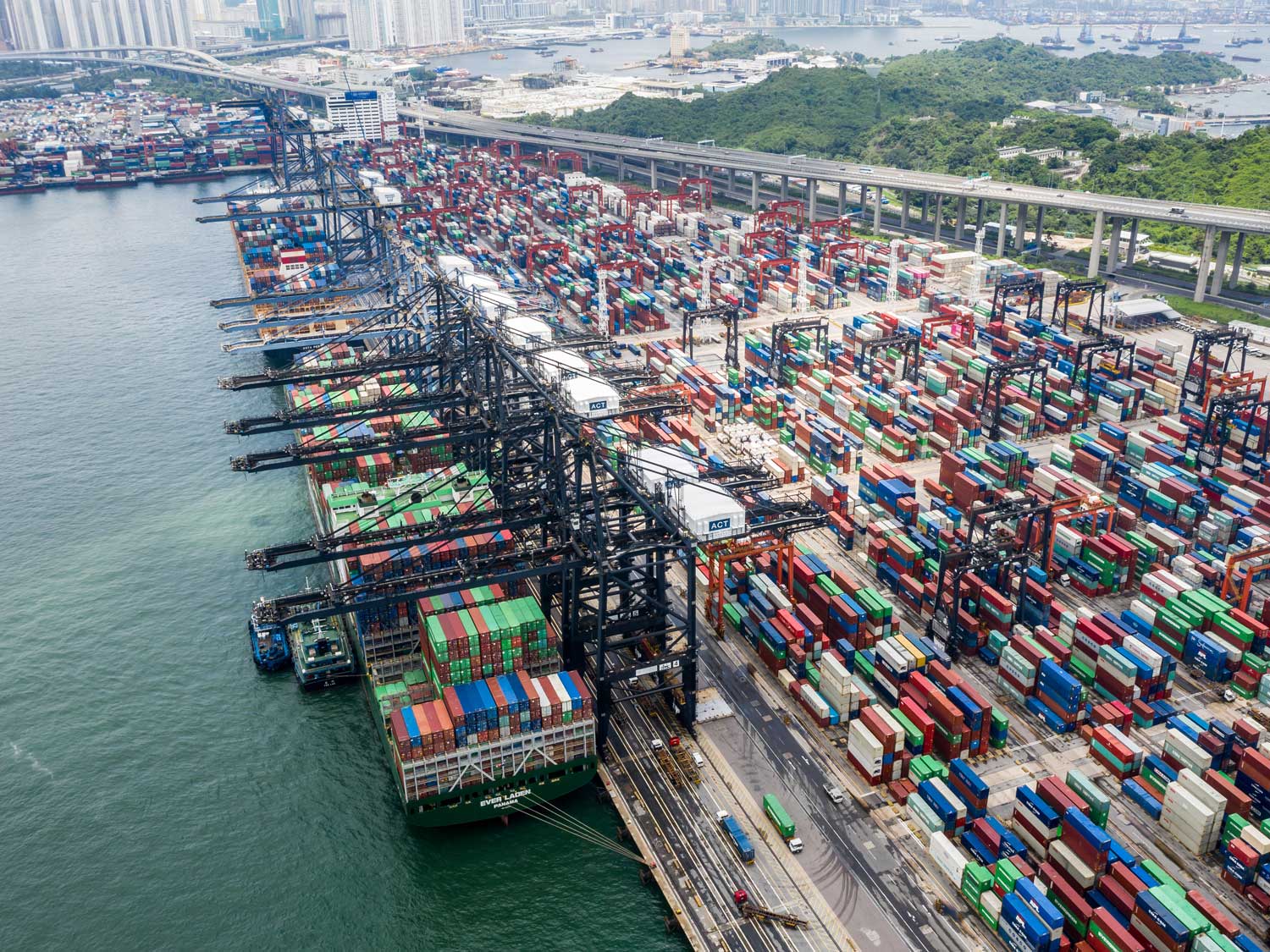
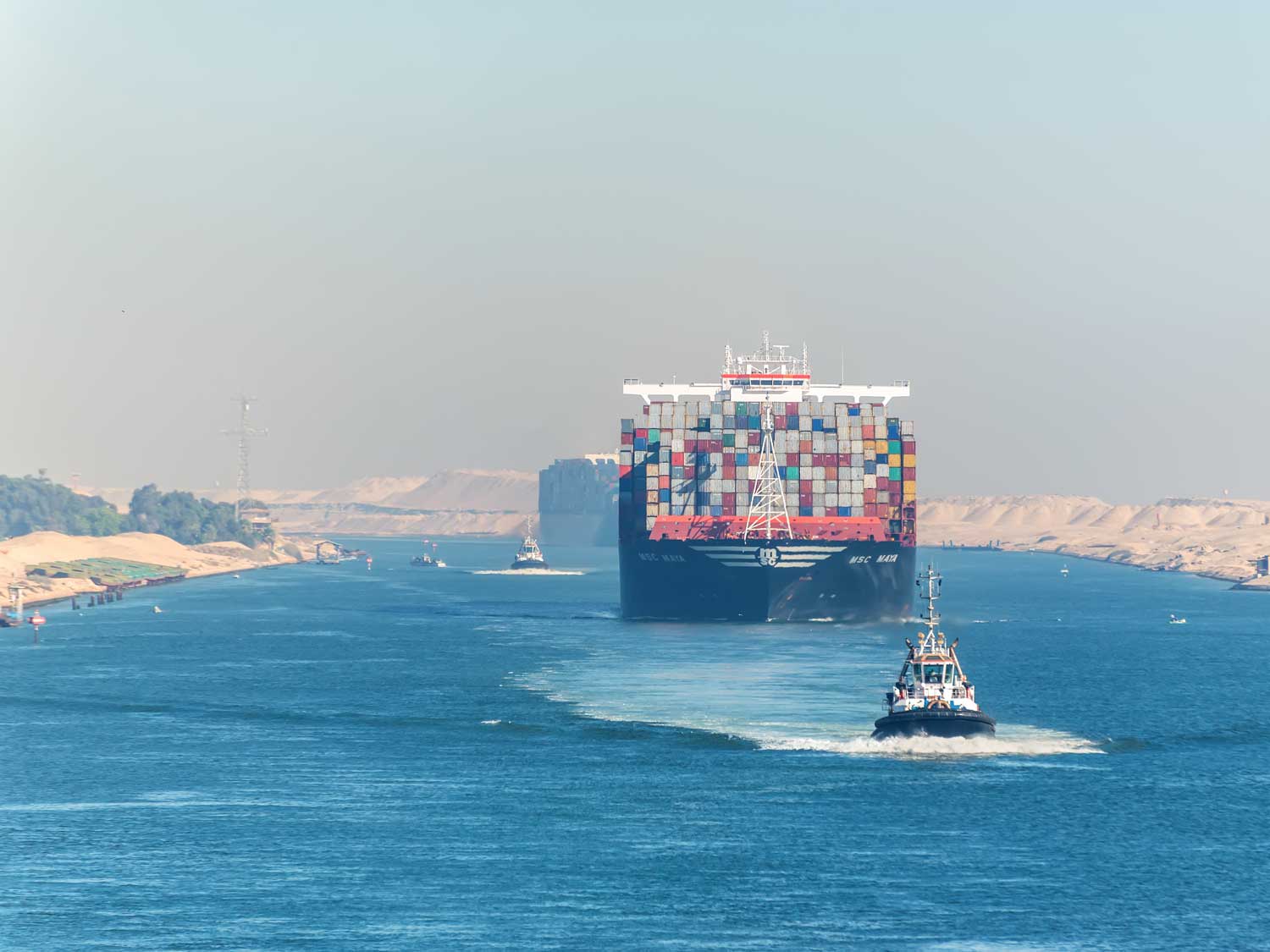
The world’s largest sea container port remains open 24 hours a day and even though it is operating within a “closed-loop” bubble, which requires workers to stay on-site, increasing numbers are quarantined. While the closure of many warehouses, the drop in manufacturing and serious disruptions to trucking have significantly reduced the availability of goods and the port’s throughput, which reportedly has resulted in queues of in excess of 300 vessels, as of today, awaiting berth outside the port.

A flash survey on the impact of COVID on business in Shanghai found:

99% of respondents had been impacted by the recent outbreak

86% of manufacturers reported that their supply chains had been disrupted

82% of manufacturers reported slowed or reduced production

54% of respondents have decreased 2022 revenue projections 

The soaring number of cases in Shanghai has restricted driver testing capacity and with many drivers from neighbouring provinces reluctant to enter Shanghai, because of the risk of having to quarantine on their return, haulage capacity has been slashed.

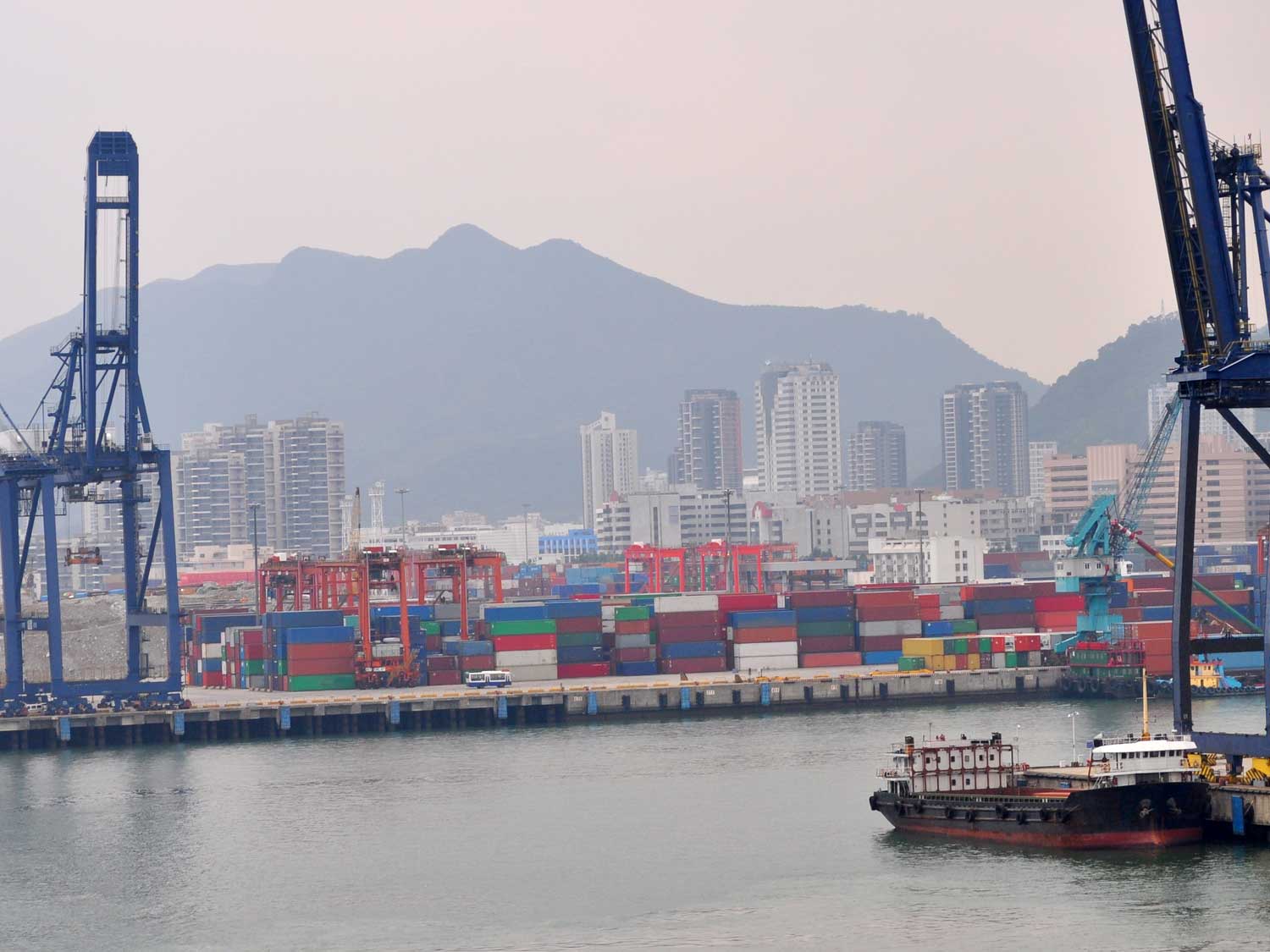
The deteriorating COVID situation has raised concerns over worsening port congestion elsewhere in China, with Yantian and Shekou experiencing longer waiting times.

According to Bloomberg, there are 174 vessels anchored or loading across South China – the most since the region was affected by typhoons in October - representing 14% of the total fleet.

What was expected to be a relatively short situation is now becoming a much bigger concern to production by manufacturers, logistics infrastructure and ultimately the global economy with even greater challenges in what was an already challenging environment. This is creating issues both at a local level and on a much wider scale as detailed in this recent news article published by the BBC which is worth reading - China lockdowns 

With over 80% of manufacturers reporting disrupted supply chains and reduced production, factories may not meet planned delivery schedules. This is why we recommend checking with your vendors, to clarify the status of your orders.

Metro’s cloud-based supply chain management platform, MVT, simplifies the most demanding global trading regimes, by making every milestone and participant in the supply chain transparent and controllable.

With end-to-end visibility across the extended supply network and global control down to individual SKU level, it is simple to adapt to external developments. Changing supply lines, managing existing or adding new vendors, monitoring product flows and outbound order data, from any location.

To discuss how our technology could support your supply chain, please contact Simon George our Technical Solutions Director or Elliot Carlile.

Shanghai lockdown

28th March: Shanghai lockdown in two waves

After recording its highest daily number of cases on Saturday, with Omicron leading a spike, Shanghai, China’s most populous city and a global financial hub, will be locked down in two stages over nine days while authorities carry out infection testing.

Authorities had so far resisted locking down the city of some 25 million people to avoid destabilising the economy and while case numbers are not high by some international standards, authorities have decided to take action.

The lockdown will happen in two stages, with the eastern side of the city under restrictions from today until the 1st April and the western side from the 1st to 5th April. The staggered approach to this lockdown means half the city will remain functioning at a time.

Public transport will be suspended and firms and factories must halt operations or work remotely and all residents will be subject to mass city-wide Covid testing.

Shanghai’s container ports and airport will remain open, although staff levels and COVID-safe working practices mean there will be an impact on terminal operations, collections, deliveries and handling efficiency.

Airlines are reviewing the situation and some further cancellations are likely. Expect air freight to use other regional airports and a general rate rise from other major gateways. Diverting cargo to other airports is typically more expensive, for trucking and air freight and adds time to overall transit. Any air cargo received or available at Pudong Cargo Centre will be processed but currently, as we understand, new shipments will not be accepted for export.

For full load containers (FCL), there is a green channel set up for trucks to move to port/Pudong, which requires the driver to provide a COVID negative testing report within 48 hours. 

And while it means that our FCL traffic can continue in the short term, locating drivers will get increasingly challenging, as restrictions from surrounding cities on drivers and especially from Shanghai regions will lead to continued and escalating trucking problems. This will in fact affect all modes of service and not just FCL export freight.

LCL operations are not possible at this time and we have, reluctantly, had to hold this week’s service as warehouses in Shanghai are currently not allowed to be staffed or operate.

Our local offices are working from home and keeping us informed of the changing situation, while minimising any impact on our customers and smoothing shipments, as much as possible.

The lockdown will result in a demand slow-down in the short term, followed by a surge and upwards pressure. And the disruption is on top of the Shenzhen lockdown from the last few weeks.

Many factories in the Shanghai area will also be forced to close production over this period. The result is  that if product cannot be made it cannot be shipped and cancellations are expected over the coming days and weeks.

Currently the biggest impact would seem to be on inland transport, with the first/final mile element of the supply chain, due to internal city and provincial restrictions.

Please be aware that although this is specific to Shanghai in today’s announcement, there are also many other areas and regions being impacted with similar lockdowns and difficulties – Shanghai is only the latest city to be effected.

Inbound shipments into Shanghai and the areas that are currently under lockdown restrictions throughout China are also being severely compromised both at arrival ports and airports.

NOTE - 4-5th April is Qingming Festival and Tomb Sweeping Day public holidays. All offices and many factories in China are closed at this time. Adding further pressure on an already challenging environment in China.

Coronavirus impacts air and sea freight

The sea and air alternative from China

China to Europe rail freight services have grown massively since the advent of the COVID pandemic, with volumes surging 29% last year. But with services transiting Russia and Belarus sanctioned and the Ukraine route halted, the equivalent of 1.46 million TEU needs alternative solutions.

Trains are still running along the Trans-Siberian route, but Russian Railways has been sanctioned so bookings have been suspended, with much cargo diverting to slower ocean services.

While cargo is not directly targeted, the uncertainty surrounding sanctions against Russia and Belarus means there is a very real risk of shipments getting stuck in either country during transit and there is no evidence yet of the impact of sanctions on insurance and settlements.

The China-Europe rail freight service from Shanghai has reportedly seen a 40% drop in bookings and its frequency has been reduced, while the Silk Road freight train from Vietnam, which operates via Zhengzhou, has been suspended. 

Alternative rail routes operate below the Trans-Siberian, through Kazakhstan, Azerbaijan, Georgia and Turkey via the Caspian Sea, or Romania via the Black Sea.

These routes mean longer transit times however, and could potentially face increased congestion, with seven or eight reloading processes before arrival in Europe.

The southern lane via Baku and Istanbul is likely to be a popular choice for rail enthusiasts, departing from Xian, with a mooted transit of 35 days to Germany, although this is likely to be longer and another 5+ days need to be added up to arrival terminal.

In practice sea freight rates are less and the transit time to main European ports faster and arguably safer than rail. Any substantial volume shift from rail to sea is likely to increase congestion, with demand increasing over 5% on an already over-subscribed trade route.

The effective alternative

Avoid the uncertainties and inefficiencies of sea and rail, by combining effective and reliable sea services, with dependable and rapid air cargo services, for reliable time-sensitive freight solutions from Asia.

Metro sea/air services operate via established and proven hubs in Singapore and Dubai, together with a selection of secondary transhipment hubs, to provide greater resilience against disruption and additional routing options for speed and cost options.

The most effective sea/air solutions use feeder vessels to move the freight to where the most appropriate air freight capacity and routing is available, at the most attractive cost. 

The first leg of transit is undertaken in a conventional ocean freight container, often on low-cost feeder vessels, but always on a direct and much shorter transit than would be the case on an all-ocean service.

This reduces the impact of incidents at ports and avoids delays, because short-sea transits have not been impacted by the service disruption and cost increases seen on deep-sea services.

Singapore and Dubai are two of the biggest pure freighter and passenger freighter airports globally, which means they retain a relatively high number of passenger flights, and consequently critical belly-hold capacity.

We continue to receive daily booking and departure requests and have the capacity, ability and reliability needed to deliver within timelines and to your deadlines.

We operate regular services from all major areas of manufacture; with Singapore servicing the Far East and South East Asia trades and Dubai geographically well located to serve suppliers in the Indian Sub-continent and further afield. Expert solutions that work, and have done for decades, when the market needs them – as they do now.

We recommend sea/air as a standard component in your supply chain toolkit, to plug gaps and fix delays. Elliot Carlie and Andy Brooks head the sea/air team and are available to discuss your situation and requirements.