Typhoon Bavi, an exceptionally powerful and large tropical cyclone that tore through the Western Pacific last week may have passed, but its impact on global supply chains will linger for at least another week.
After forcing the temporary closure of several of China's most important container gateways, the storm has left shipping lines, ports and shippers facing weeks of disruption as vessel schedules recover and freight networks work through mounting backlogs.
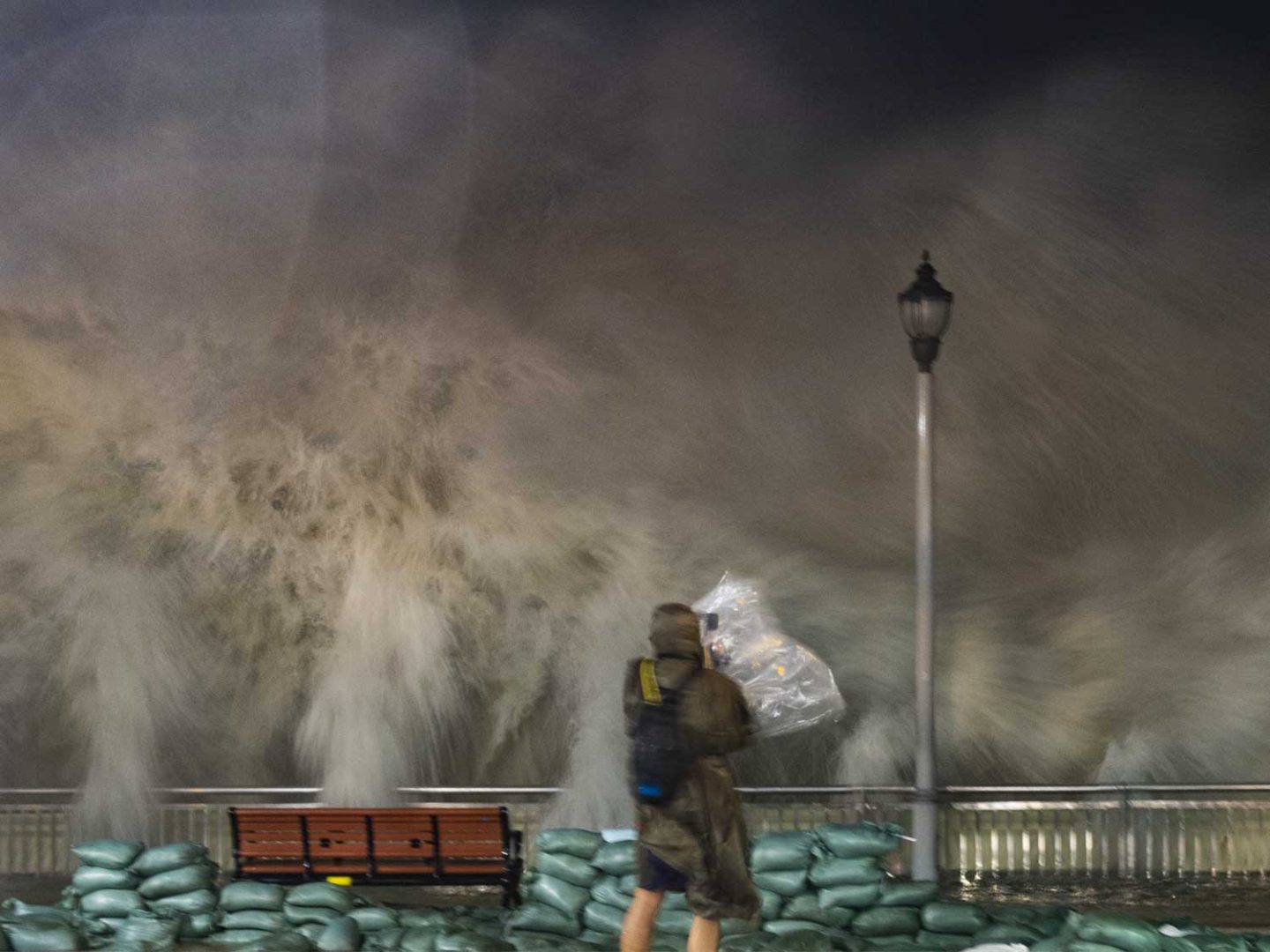
The Category 5-equivalent super typhoon swept across eastern China in mid-July, bringing winds exceeding 140 km/h and affecting an area almost 1,000 kilometres wide. As the storm approached, ports suspended operations, vessels were ordered to leave exposed berths and inland feeder terminals closed as a precaution. Although terminals have now reopened, the disruption created during just a few days of closures is continuing to ripple through global logistics networks.
For importers and exporters, the lesson is becoming increasingly clear. Modern supply chains are no longer disrupted only by geopolitical events or capacity shortages. Severe weather is now capable of creating global consequences that last long after the skies have cleared.
China's busiest ports face weeks of recovery
Shanghai and Ningbo, the world's first and third busiest container ports respectively, bore the brunt of the disruption. Together they handle tens of millions of containers every year and sit at the heart of manufacturing supply chains serving Europe, North America and the rest of Asia.
As Typhoon Bavi approached, container terminals suspended operations, vessels left deep-water berths and truck movements were halted. Along the Yangtze River, feeder ports linking inland manufacturing centres with Shanghai also closed, temporarily severing one of China's most important export corridors.
Operations resumed once the storm had passed, but reopening terminals is only the first stage of recovery. Every delayed vessel must still be berthed, unloaded and reloaded before shipping schedules can begin returning to normal.
Industry analysts estimate that almost two million TEU of container capacity was delayed by the disruption, with North Asia accounting for more than half of all global port congestion during the immediate aftermath. Current forecasts suggest ports may require at least two weeks to work through the accumulated backlog.
Vessel queues continue to grow
The operational impact became visible almost immediately after ports reopened.
The queue of vessels waiting outside Shanghai more than doubled within a week, rising from fewer than 60 ships before the closures to well over 120. Ningbo experienced a similar pattern, with waiting vessels increasing by almost 70%, while congestion also spread north to Qingdao following precautionary closures there.
Waiting times have lengthened accordingly. Some vessels are now experiencing delays of several days before securing a berth, while carriers operating certain services face considerably longer waits as terminals prioritise arrivals and reorganise schedules.
The disruption extends well beyond the ports themselves. Warehousing, customs processing, container yards and trucking operations all require time to absorb the surge in cargo released once terminals reopen. As containers accumulate, equipment availability tightens, truck demand rises and inland transport networks come under increasing pressure.
Delays are spreading across global shipping networks
The consequences are now extending far beyond eastern China. Shipping lines have omitted calls at Shanghai and Ningbo on several international services, instead diverting cargo through alternative hubs including Hong Kong, Singapore and Busan before arranging onward transhipment. Other vessels have been forced to skip scheduled ports entirely or adjust voyage rotations to recover lost time.
These changes inevitably create further disruption downstream. Delayed vessels arrive at subsequent ports outside their planned windows, leading to berth congestion elsewhere, missed feeder connections and revised cut-off times for exporters. Cargo originally booked on one sailing may be rolled to another, while importers face growing uncertainty over arrival dates.
The cumulative effect is that disruption continues travelling through global shipping networks long after the original weather event has ended.
Extreme weather is becoming a strategic supply chain risk
Typhoon Bavi is the latest reminder that climate-related disruption is becoming an increasingly significant operational challenge for global trade.
Maritime transport carries more than 80% of world merchandise trade, making the resilience of major ports critical to international supply chains. Yet severe weather events are becoming both more frequent and more disruptive, with tropical cyclones already responsible for months of cumulative port disruption each year.
For shippers, this changes the nature of supply chain risk. Weather-related disruption can no longer be viewed simply as a short-term operational inconvenience. Increasingly, it affects inventory planning, manufacturing schedules, customer service and working capital across international supply chains.
Building resilience now requires more than securing freight capacity. Businesses also need timely visibility into where products are, how disruption is developing and which shipments require immediate intervention.
Visibility is becoming a competitive advantage
When disruption occurs, the biggest challenge is often not the delay itself but understanding exactly how individual shipments are affected.
Metro's MVT platform provides end-to-end shipment visibility down to SKU level, allowing customers to monitor cargo movements, identify disruption early and make informed decisions before delays impact production, inventory or customer commitments. Combined with Metro's global freight expertise, MVT transforms complex supply chain data into actionable intelligence, helping businesses maintain control when international logistics become increasingly unpredictable. EMAIL Managing Director Andrew Smith today.