
Supply Chain
Metro simplify and optimise the most demanding and complex supply chains, with market-leading technology that put you in total control.

M+
Purchase
Orders

K
Customer
Vendors

+
Linked
Countries
Supply chain management
- N Tailored Solutions
- N PO/SO management
- N End-to-end visibility
Freight management
- N 3PL and 4PL models
- N Dedicated teams
- N Sustainability programme
MVT Platform
- N Dashboard controlled
- N Automated KPI/SLA reporting
- N Fully integrated data platform
Learn more

Supply Chain News & Insights

Falling Rhine levels put European supply chains under growing pressure
Record-low water levels on the Rhine are creating another significant challenge for European supply chains, restricting barge capacity, increasing transport costs and putting additional pressure on already constrained road and rail networks. The Rhine is one of Europe’s most important…

India and Bangladesh exporters face capacity squeeze
Exporters across India and Bangladesh are facing a difficult combination of strong demand, restricted vessel space, equipment shortages and weather-related disruption, with pressure particularly acute on westbound services to Europe and North America. Although the underlying causes vary between the…
Red Sea return gathers pace, but risks remain
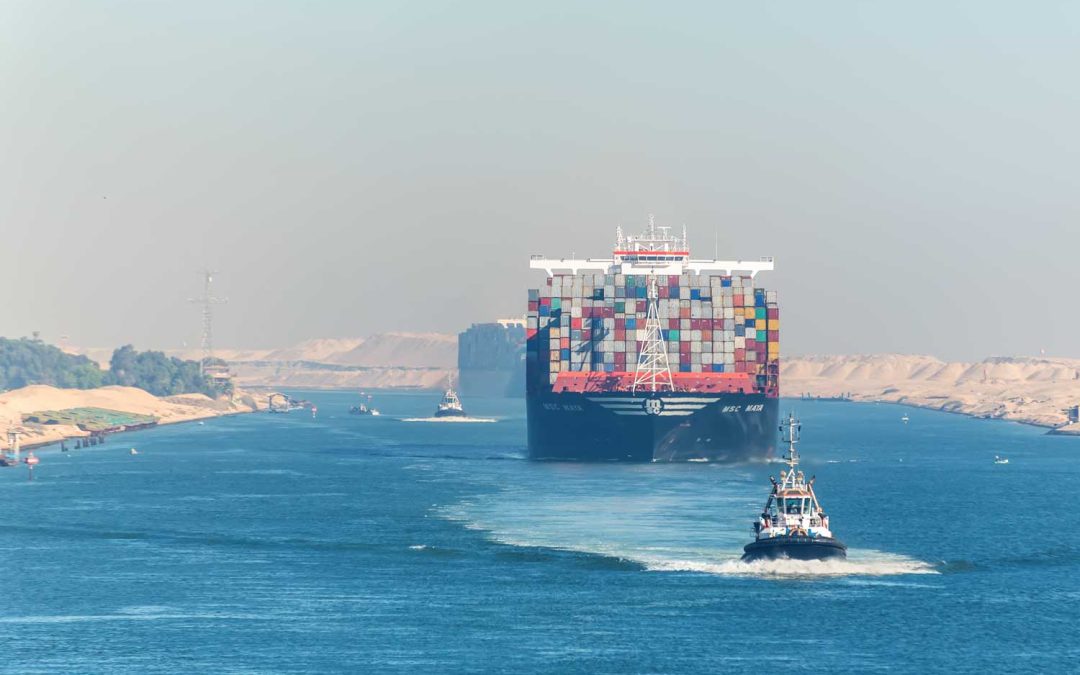
Container shipping through the Red Sea and Suez Canal is gradually increasing as major carriers test a return to the shorter Asia–Europe route, potentially signalling an important change for global supply chains. But this is far from a return to…

US tariff uncertainty is becoming a permanent supply chain challenge
US importers face another period of significant trade policy change as the Trump administration expands its use of tariffs across countries, commodities and industries. The immediate challenge is understanding which measures apply and how they interact. The wider issue is…
Panama Canal constraints add another layer of pressure to transpacific shipping
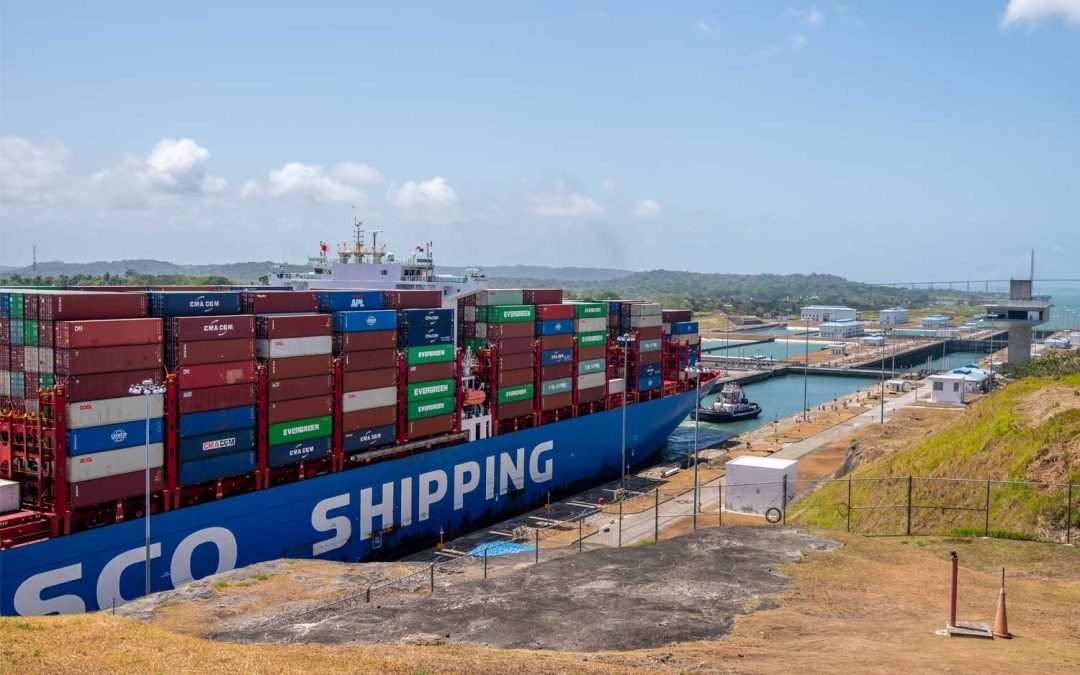
The transpacific market is entering an even firmer phase, with stronger cargo demand, restricted vessel capacity and new Panama Canal constraints combining to increase costs and tighten space, particularly into the US East and Gulf coasts. Spot rates indexes have…

Peak season survey reveals cautious confidence as demand strengthens
Metro’s Q3/26 Peak Season Survey suggests businesses are entering the second half of the year with growing confidence, despite ongoing uncertainty across global supply chains. While current shipping volumes remain mixed, the outlook for the next three months is positive….
Why blank sailings have become the new normal for container shipping
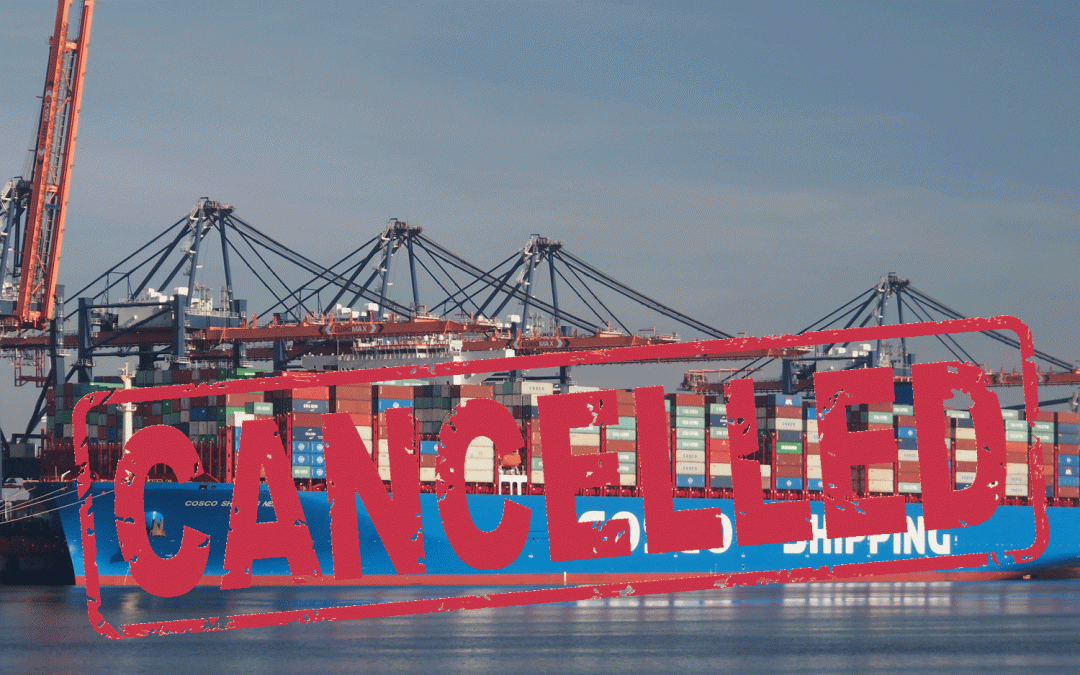
Spot freight rates have eased from their summer highs, but the container market remains far from settled. While demand has softened following an unusually early peak season, ocean carriers continue to tightly control available vessel space through blank sailings. The…

Climate is becoming one of the biggest supply chain risks
For years, weather disruption was largely viewed as an operational inconvenience. A storm might delay a vessel, flooding could close a road for a day or two, or high winds might temporarily suspend port operations. That is no longer the…
Middle East conflict is reshaping global shipping once again
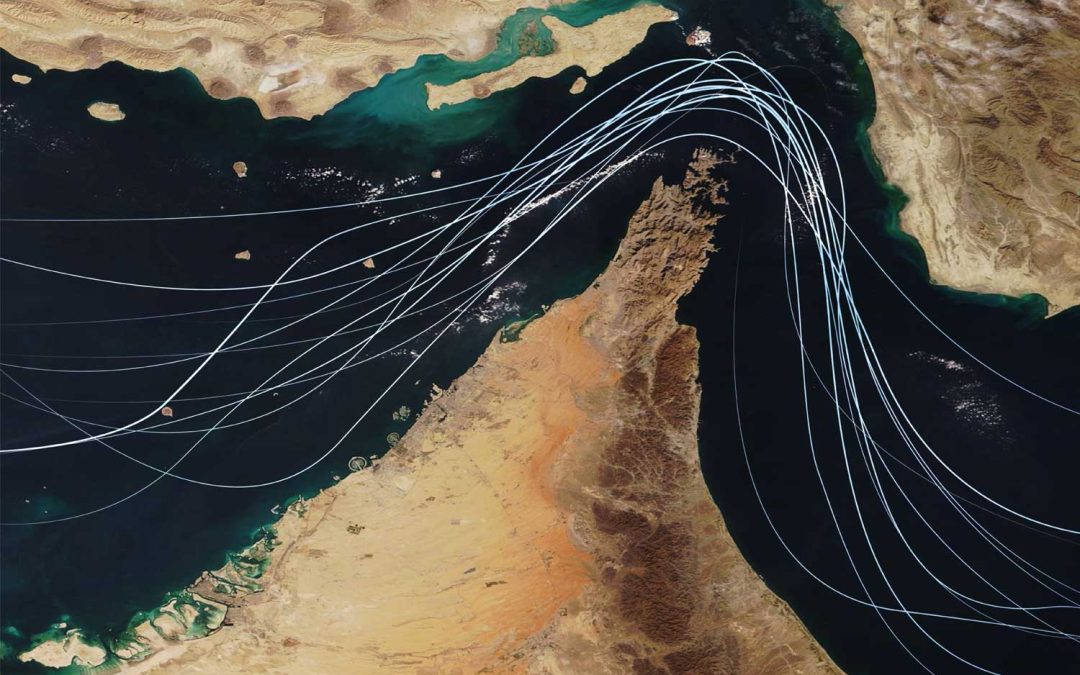
Commercial shipping in the Strait of Hormuz and Red Sea is facing renewed disruption with 14 Iranian attacks on vessels since June 25th, the breakdown of the US-Iran ceasefire and a Houthi threat to target Saudi-linked shipping in the Bab…

Typhoon Bavi exposes fragility in global supply chains
Typhoon Bavi, an exceptionally powerful and large tropical cyclone that tore through the Western Pacific last week may have passed, but its impact on global supply chains will linger for at least another week. After forcing the temporary closure of…
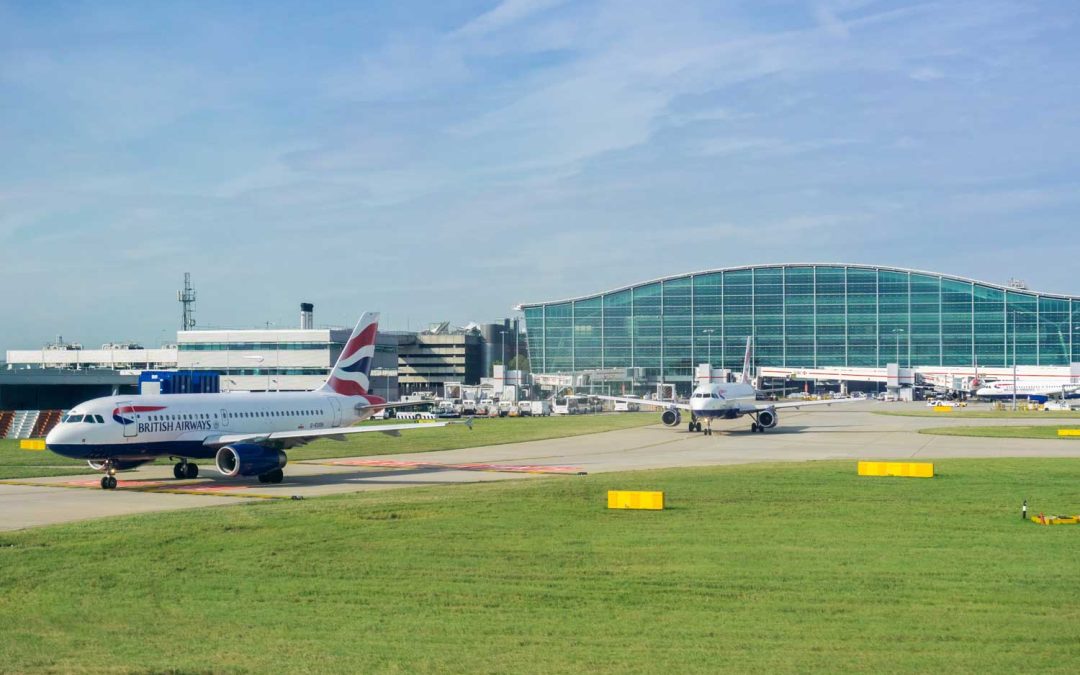
Air freight markets under pressure as capacity struggles to recover
Global air freight markets continue to outperform expectations, but the balance between supply and demand remains fragile. What began as a short-term disruption following renewed conflict in the Middle East has evolved into a more structural capacity challenge, keeping rates…
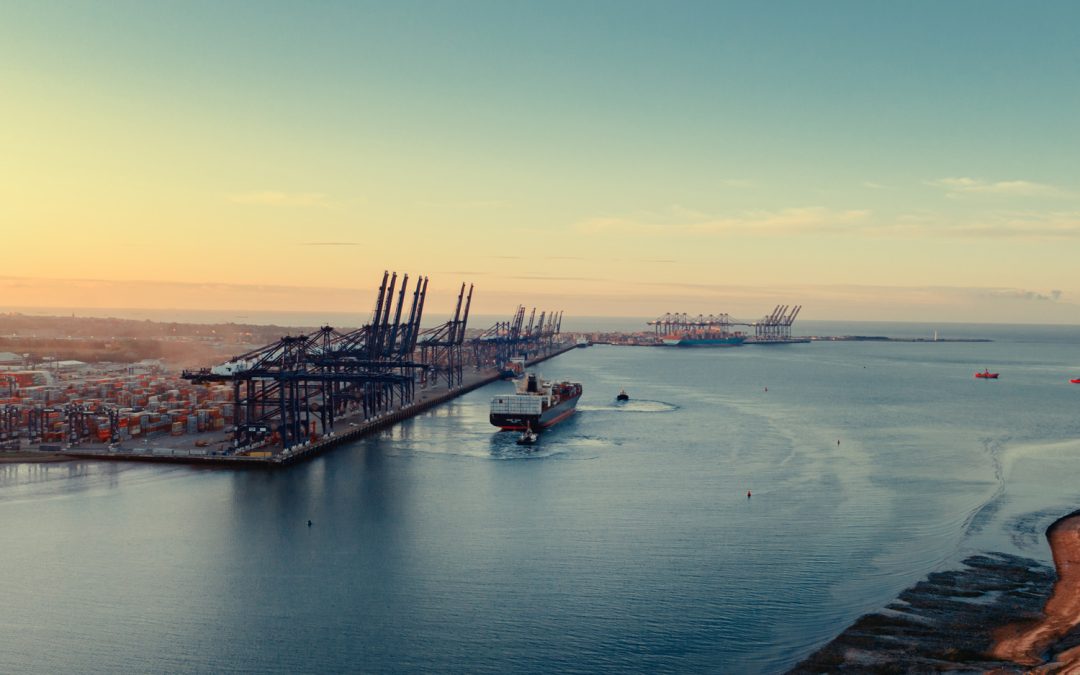
Strong demand and constrained capacity are reshaping container shipping
For much of the recent past, freight markets have lurched from one disruption to another. Pandemic recovery, conflict in the Red Sea, tariff uncertainty and conflict in the Middle East have each triggered periods of higher freight rates before conditions…
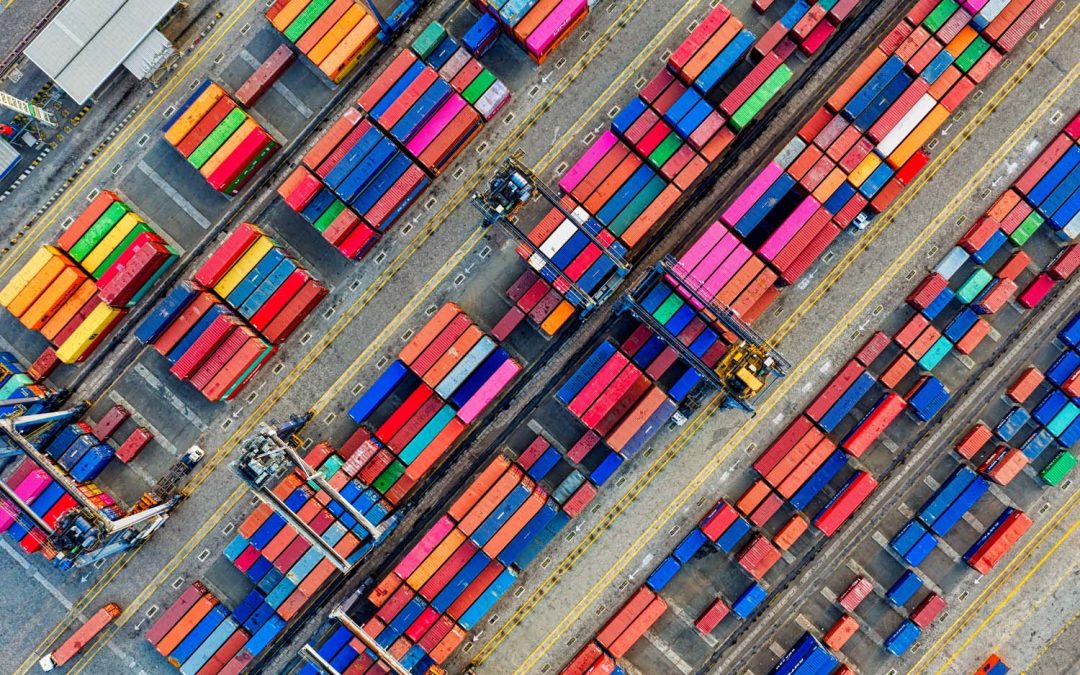
Global port congestion is worse than expected
Container shipping is once again under pressure from widespread port congestion, but headline delay figures are only telling part of the story. Across major global hubs, vessel queues are building, schedules are slipping, and reliability is deteriorating. Yet at the…

Early peak season continues to support higher ocean rates
Peak season arrived earlier than expected this year, but it shows little sign of easing. Ocean freight rates from Asia to Europe continue to climb as strong demand, disciplined capacity management and lingering geopolitical uncertainty combine to keep pressure on…
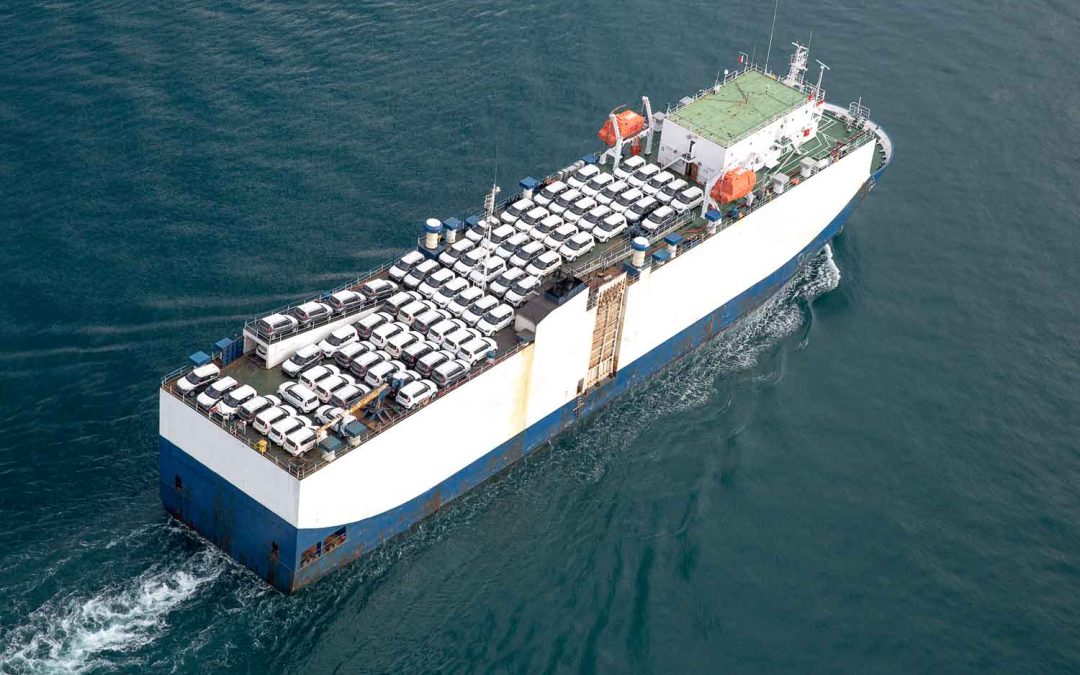
A new era for the global RoRo fleet
It wasn’t long ago that securing space on a RoRo vehicle carrier was one of the biggest challenges facing automotive manufacturers. A shortage of Pure Car and Truck Carriers (PCTCs), soaring charter rates and surging Chinese vehicle exports created an…
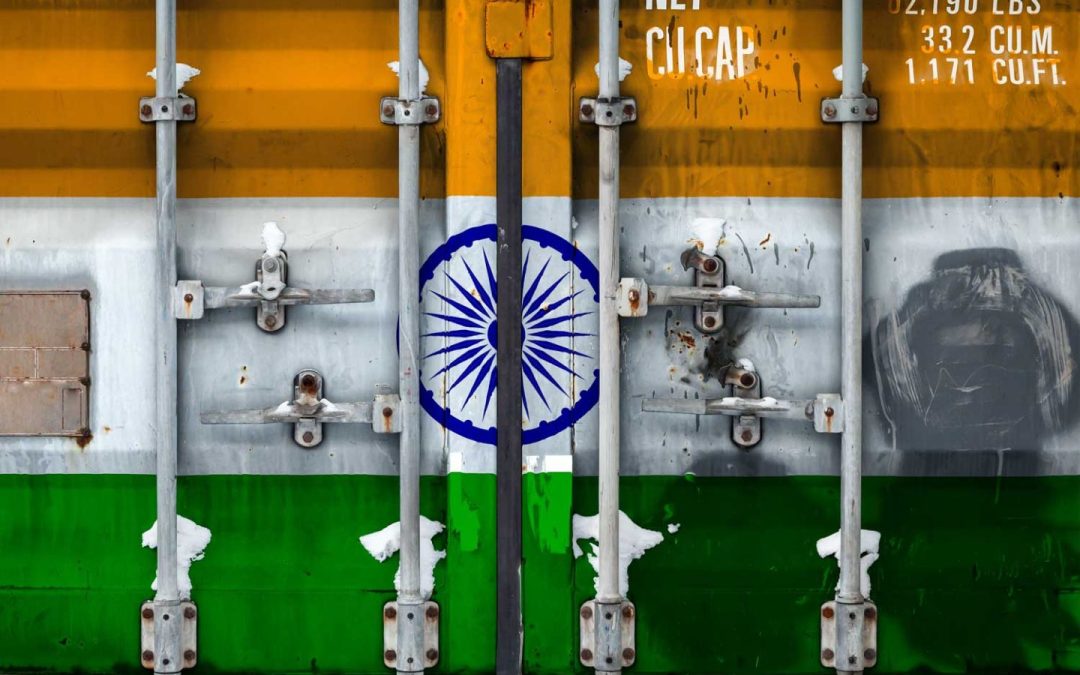
India, the hottest shipping lane
Ocean freight from India has entered a period of intense demand, with tightening vessel space, rising freight rates and increasing competition for capacity across both European and North American trade lanes. For businesses diversifying manufacturing away from China or expanding…

July deadline for eFiling US product compliance
From 8 July, regulated consumer products entering the US must be supported by electronic compliance certificates filed at the time of customs entry, turning missing or inaccurate information into a direct threat to supply chain continuity. This is not a…
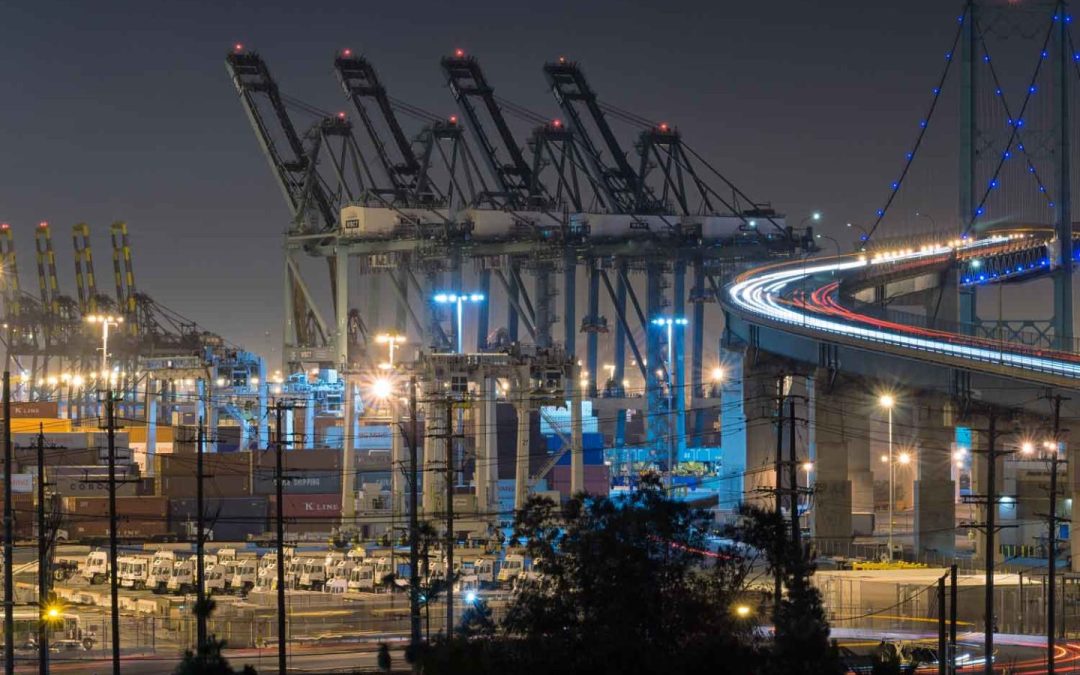
Early peak season surge tightens Asia ocean freight markets
Peak season has arrived earlier than expected and it is already putting global container supply chains under strain, with tightening capacity, rising rates, and growing competition for space across both Asia–US and Asia–Europe trades. What is typically a late summer…
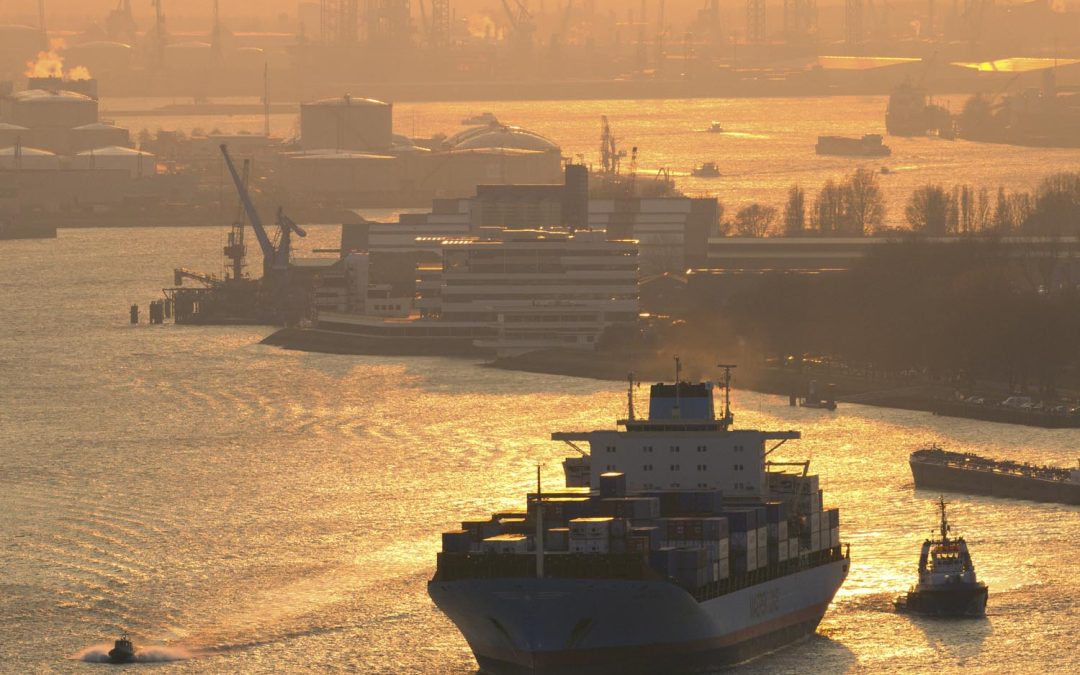
Port congestion spreads as delays ripple through global supply chains
Port congestion in North Europe and East Asia is increasingly a two-ended problem: weather and capacity issues at origin delay departures, and when those same vessels finally reach port in Europe, they miss their planned berths and are forced to…
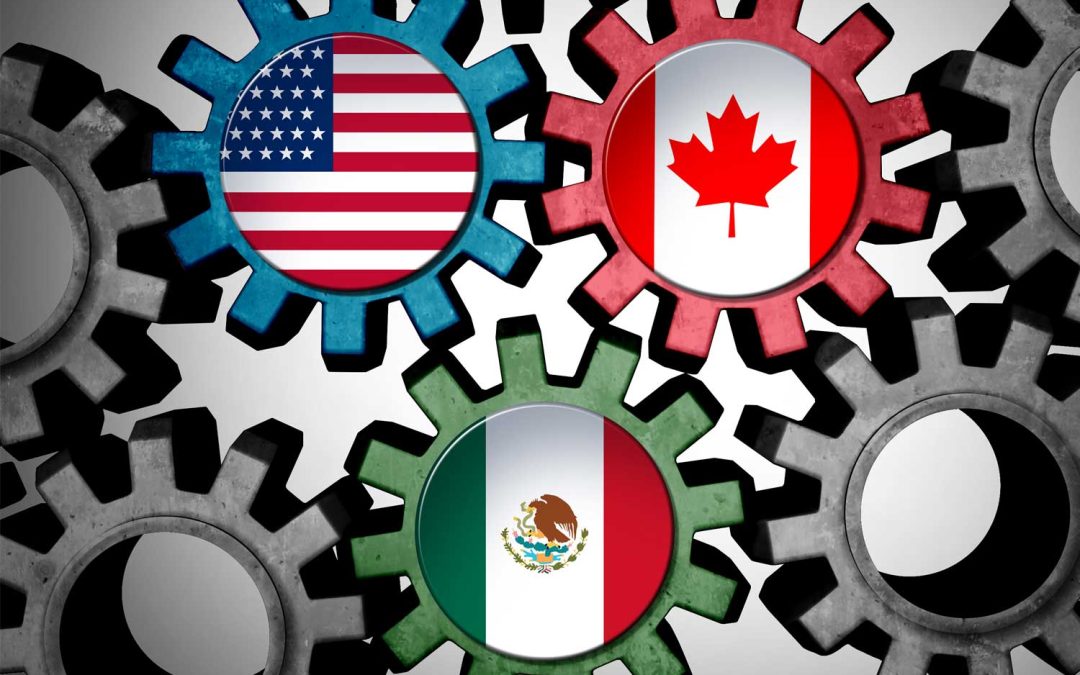
USMCA renewal talks critical for North American manufacturing supply chains
The United States-Mexico-Canada Agreement (USMCA) is the legal and operational backbone of a $31 trillion North American trading bloc, and its renewal process is a live strategic risk factor for manufacturers and automotive brands active in the region. Renewal negotiations…
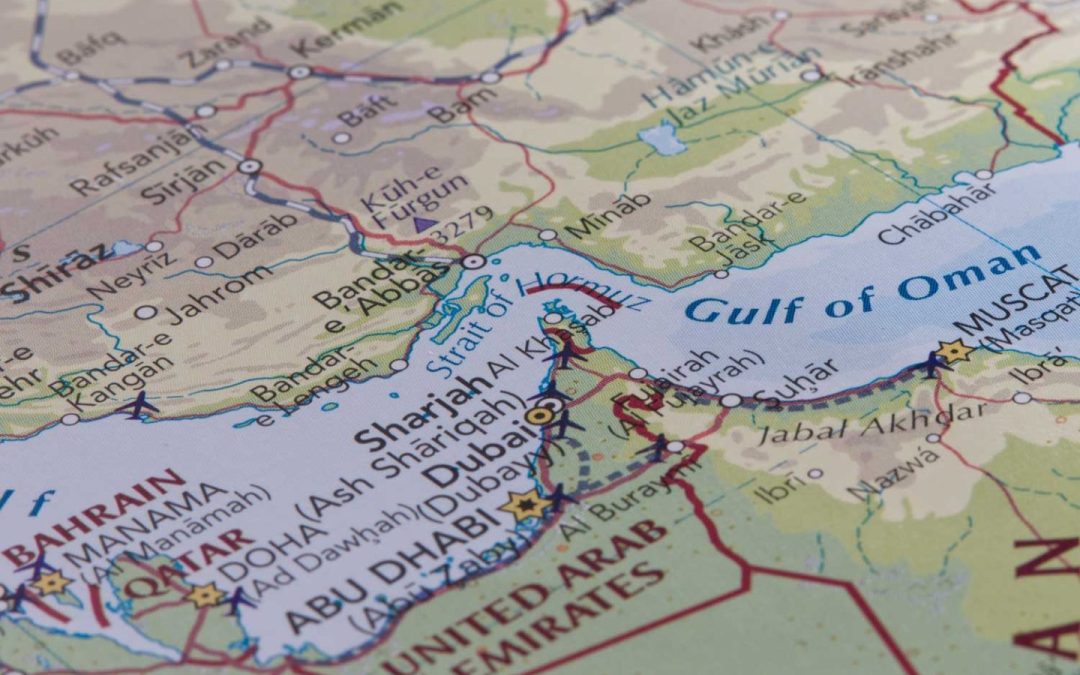
Gulf Tensions Redefining Asia–Europe Shipping
Diplomatic efforts to reopen the Strait of Hormuz remain stalled, constraining one of the world’s most important energy corridors and prolonging the biggest disruption to global oil supply in decades. Public statements from Tehran suggest Hormuz will only fully reopen…
Case Study
Action, reaction
This luxury car brand has been a supply chain customer for many years. Their cars are in demand globally, with markets constantly expanding and new markets continuously being added.
As a strategic partner, Metro participates in business planning and contributes to the preparation that ensures the supply chain operates efficiently for growing markets and new mainland Europe facilities as they come on stream.
In the last 12 months Metro has supported growth in global export volumes from factories and has developed supply chain solutions for a major new manufacturing plant in Shanghai, which encompassed the temporary export of vehicles to the UK for testing and global exports from the new factory.