
Sea Air
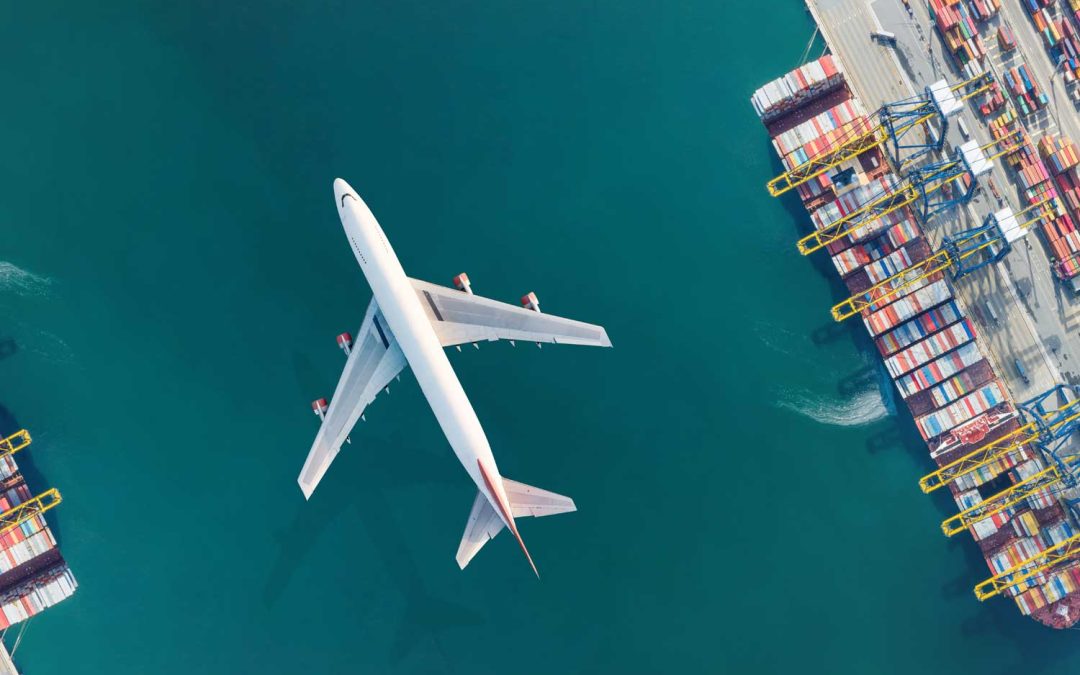
Combining the economies of sea freight, with the speed of air freight for reliable, secure, flexible and more environmentally-friendly solutions.

+
shipments
via SIN

+
shipments
via DXB

Sea/Air
charters
Solution
- N First leg; sea freight origin to hub 7-10 days
- N Second leg; air freight from hub to destination 2 days
- N Controlled end-to-end by Metro
Hubs
- N Primary Asia hub located in Singapore
- N Secondary hub located in Dubai
- N LHR and BHX dedicated cargo hub
Benefits
- N Significant cost saving on air
- N Solutions for hanging garments
- N Perfect balance of time and cost
- N Reducing carbon emissions
Learn more

Sea/Air News & Insights

Smart 2026 supply chains are being engineered for pressure
Supply chains are no longer judged on efficiency alone, in 2026 they will be expected to anticipate disruption and adapt at speed to actively support growth. The experience of the past year confirmed that stability is no longer a realistic…
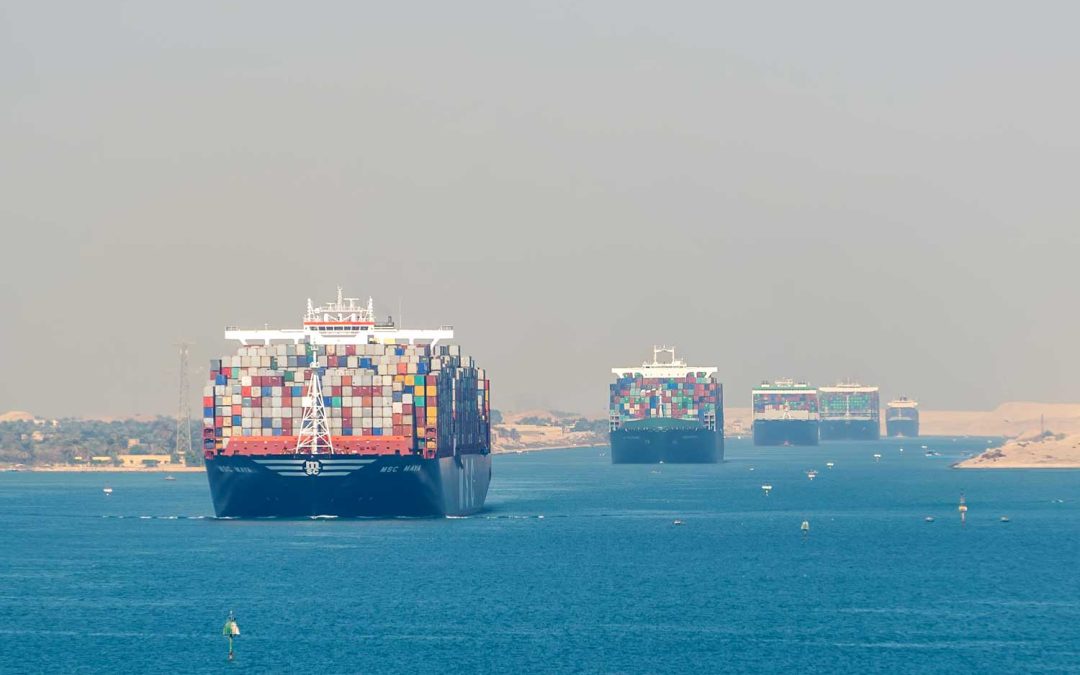
When the Suez Canal Comes Back Online: Hidden Risks for Supply Chains
With hopes rising of stabilising conflict in the Red Sea region, analysts are increasingly considering what it would mean if shipping lines resume full use of the Suez Canal route, and it’s not all good news. While the shorter route…
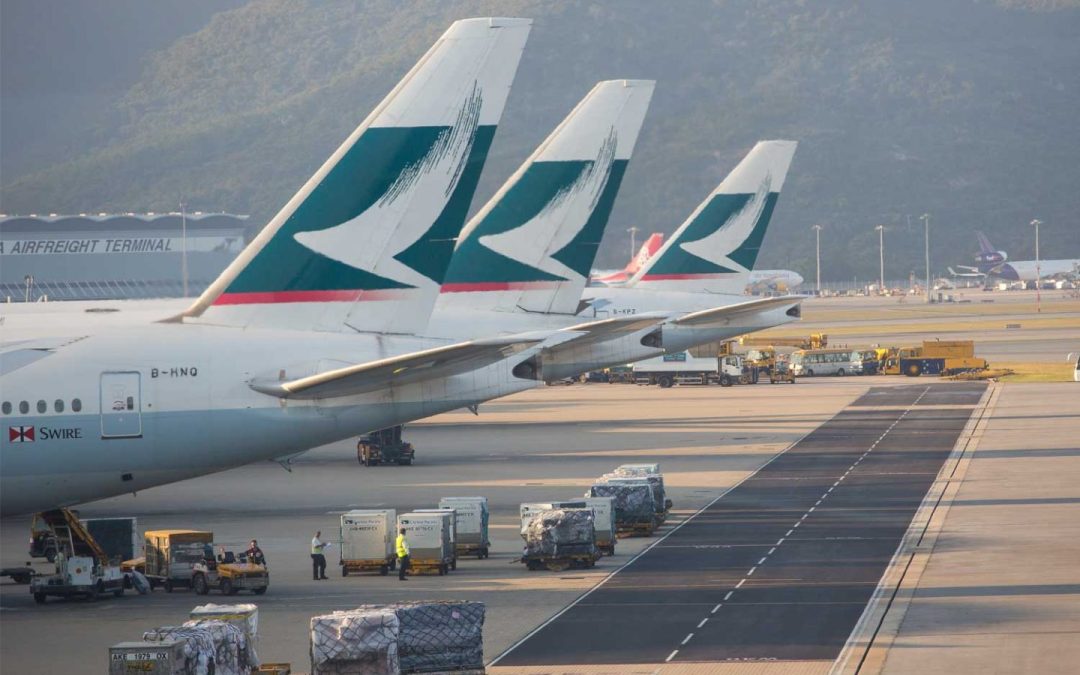
March Airfreight Surge Sets Stage for Further Growth as US-China Trade Tensions Ease
Airfreight markets posted a record performance in March, with particularly strong activity on Asia, US, Europe and UK trade lanes. The surge, driven by shippers front-loading cargo ahead of anticipated US tariffs, has provided a benchmark for what could follow…

Seven supply chain shocks in seven weeks
Just seven weeks into 2025, global supply chains have already faced a whirlwind of challenges. From industrial action to trade barriers and shifting alliances, businesses must stay agile to navigate ongoing disruptions. Here are seven of the most impactful developments…

Freight market outlook 2025: Navigating uncertainty and change
The freight industry faces a challenging 2025, with ongoing diversions around Africa, potential labour strikes, and looming tariff changes shaping the air and sea freight landscape. While best and worst-case scenarios could unfold, the most likely outcome lies somewhere in…

2024: Reflecting on a Dynamic Year in Global Supply Chains
As 2024 comes to an end, we look back at a year filled with extraordinary events that shaped the global supply chain landscape. From geopolitical challenges to shifts in logistics trends, the past year has underscored the importance of resilience,…
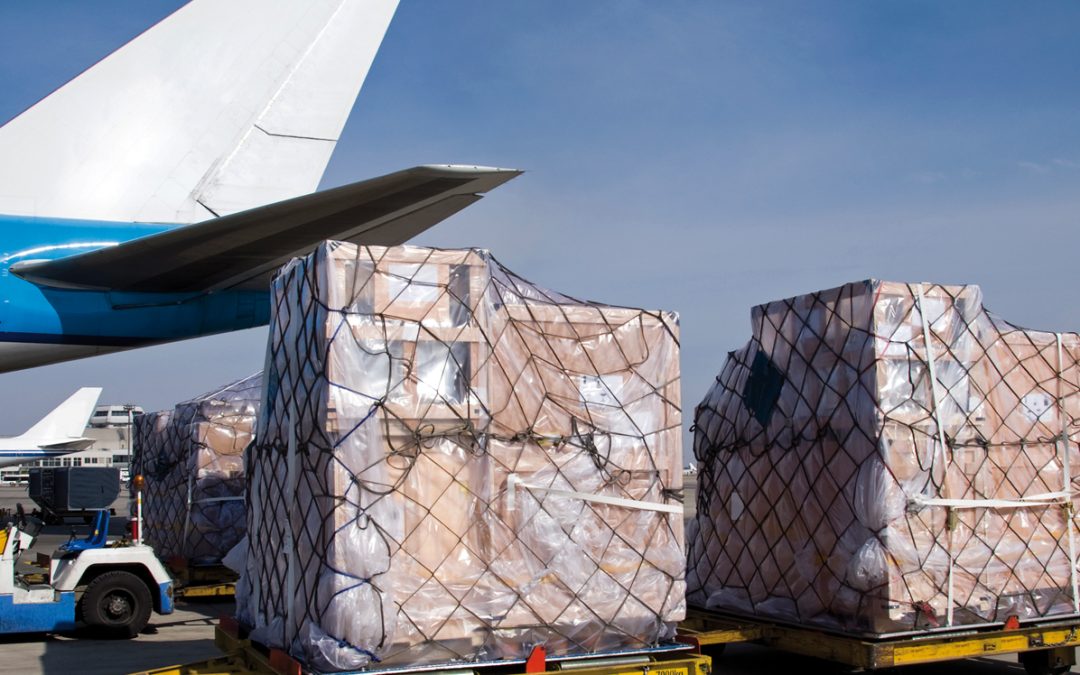
Air freight situation and outlook for 2025
Global air freight market continues to experience robust growth, driven by eCommerce and the peak season, but faces capacity constraints due to reduced belly cargo capacity and a limited supply of wide-body freighters, particularly on key trade routes. Demand rose…
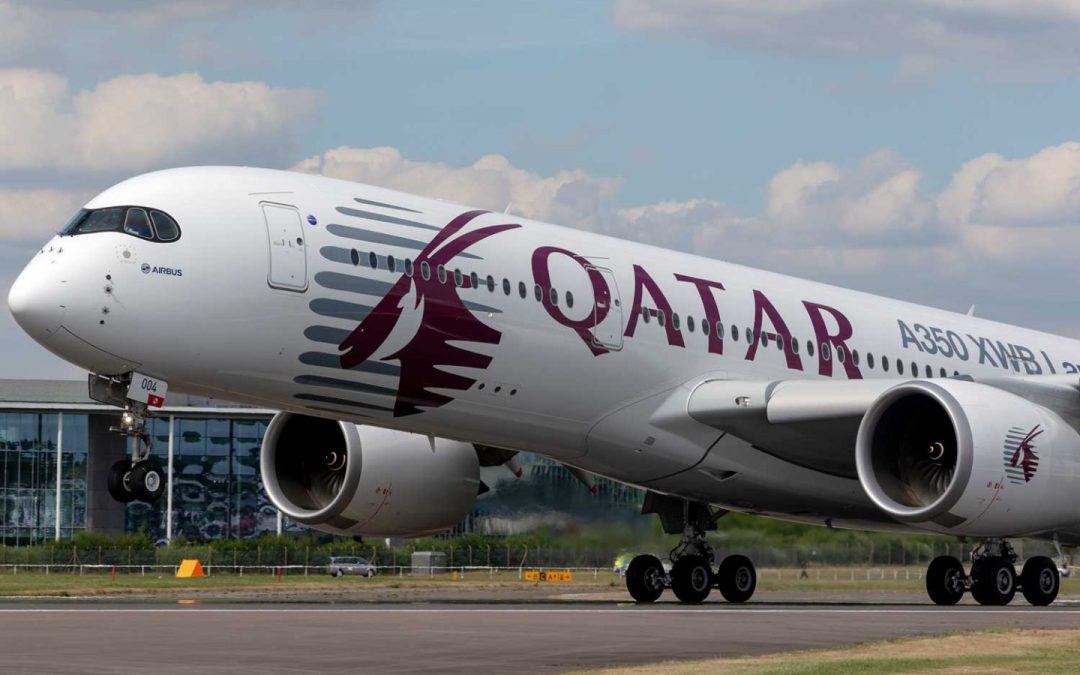
Air freight faces prolonged capacity constraints amid rising demand
The tightening capacity situation could continue for several years, with constrained availability of freighter aircraft and high demand driving up rates across key routes. While air cargo demand has not yet surged during this year’s peak season, rates remain elevated…

Air cargo rates surge as Vietnam becomes key export hub
The air cargo market is seeing a significant surge in rates, driven by strong demand and tight capacity, especially on routes from Asia to North America and Europe. In October, spot rates reached their highest point this year, with rates…

Creative solutions ease Bangladesh export challenges
As Bangladesh’s apparel sector ramps up production following months of disruption, exporters are benefiting from creative logistics solutions to overcome rising freight rates and capacity shortages. Metro shipments from Bangladesh have been utilising an innovative mix of air freight, sea/air,…
Record volumes raise concerns for peak season
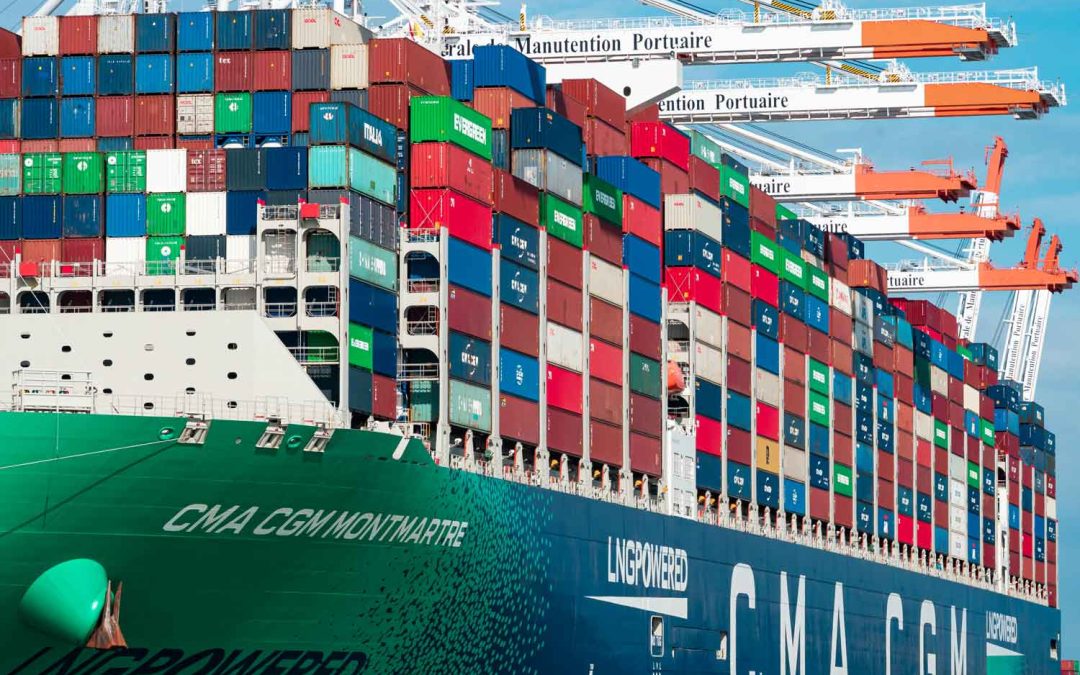
Global demand for ocean freight container shipping has surged to unprecedented levels, surpassing even the peak during the Covid pandemic and comes when available capacity is already strained due to diversions around Africa, leading to concerns that any peak season…
Air Cargo Demand Grows Strongly in Q2 2024 – and will continue for the rest of the year
Robust growth in global air cargo markets for April 2024 marks a strong start to the second quarter, with airfreight rates on key trades out of Asia remaining “firm” in June, despite the market entering the traditional quieter summer period…

Sea freight rates from Asia continue to spike and remain on an upward trajectory
Between the start of April and last week, average spot rates from the Far East into North Europe increased by 31%, the US West Coast 30%, Mediterranean 25% and US East Coast 22%, with spot rates to Europe currently $6,000-$7,500…
Global port congestion threat to capacity
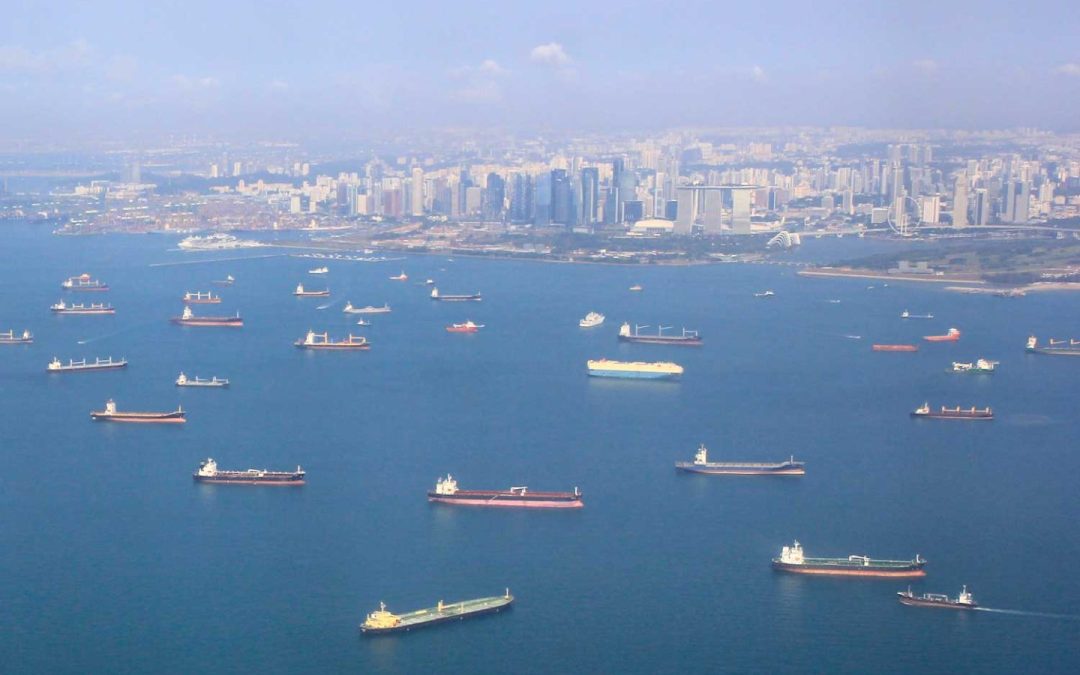
The Red Sea crisis and the much longer sailing distances triggered by the diversion around Africa’s Cape of Good Hope (COGH) soaked up existing market overcapacity, which was just enough to cope with the extended COGH transit times, provided there…
Airfreight market continues to fly – for now
The surge in Asia to Europe ocean freight (see ‘Ex-Asia spot rate spiral turned into shooting star’) is also boosting demand for airfreight to Europe and even to North and South America. Uncertainty and delays with ocean shipments have been…
State of the air freight market
The effective closure of the Red Sea and the Suez Canal to container ships is adding around two weeks to supply chain transit times and creating a backlog of manufacturing components, late shipments and inventory replenishment, with critical consignments reliant…

Strengthening global partnerships: India
Metro’s main board recently completed a multi-city tour across India, as part of a strategy to fortify existing partnerships with key suppliers and to carve out new avenues for growth, by direct engagement with prospective customers. The visit spanned several…
Air freight’s promising 2024 start continues
The global air freight market’s positive start continued last month with significant growth in demand and a corresponding rise in global spot rates, especially from the Indian Subcontinent, which is out of step with traditional market trends. Traditionally, air cargo…
Sea/Air growth undiminished
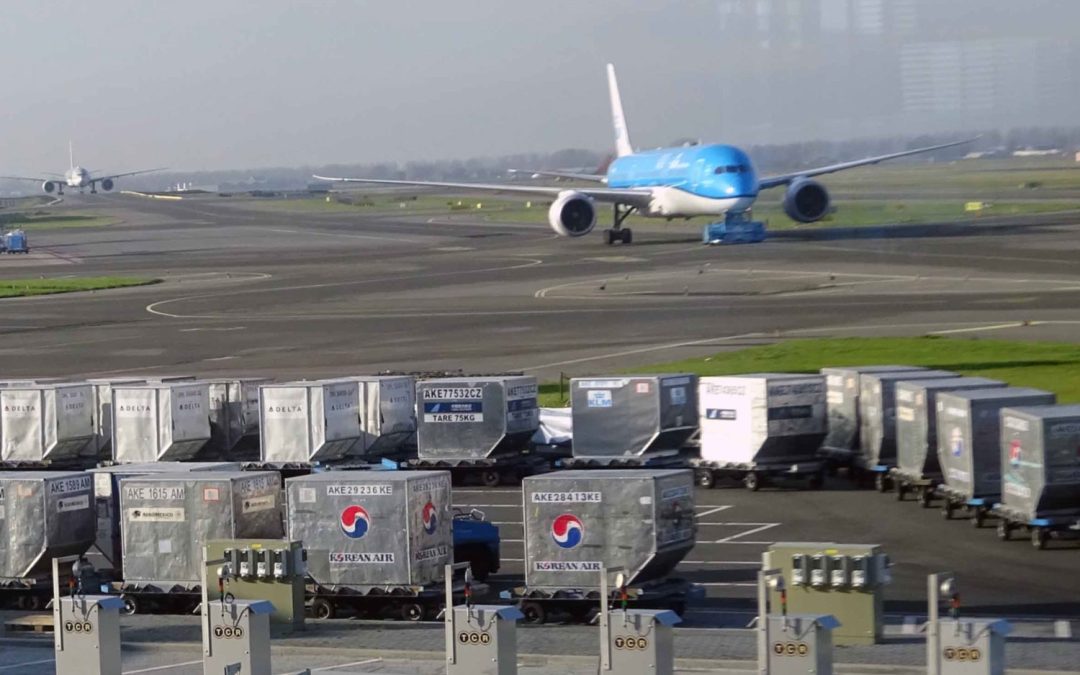
The latest air cargo data is showing a clear upswing in volumes at key sea/air hubs, as shippers from Asia seek to avoid the extended ocean freight transit that has resulted from the Red Sea shipping crisis. Over the first…
Red Sea impact on time-critical modes
Shippers’ concerns about Red Sea supply chain delays, plus an early Lunar New Year, pushed up air cargo volumes by 10% in January, but the availability of capacity has kept a lid on spot rates on most routes. While there…

Red Sea Crisis insurance withdrawals – fact or fiction?
In addition to fast-rising ocean freight rates and extended transit times, as the container shipping lines divert around Africa, shippers have been struggling to understand what (if any) insurance is in place, with insurance companies massively increasing war risk premiums…
Case Study
The COVID antidote
Sea-Air is a time-sensitive alternative that avoids congestion, shut-outs and cost worries. Sea-Air solutions helped shippers avoid airfreight shortages and price spikes after airlines cut swathes of capacity on their China and Hong Kong services during the COVID pandemic.
Combining the economies of feeder vessels from China ports, with the speed of direct air freight, via our dedicated Singapore hub, Sea-Air is reliable, secure and flexible. These time-sensitive solutions are available door to door at around three times the speed of standard sea freight and a fraction of the cost of air freight.