Truck in Switzerland

Take your customs declarations to a whole new level

Metro provide customs clearance services at all UK airports and ports of arrival and departure, including inland border points, with import and export entry processes completed within two hours.

Simply provide us with your commercial invoice, packing list and any other supporting documents and we will file your customs declarations directly with customs, using our HMRC approved CuDoS software.

The Metro Customs Document operating System (CuDoS) deploys the latest artificial intelligence (AI), machine learning (ML) and automation capabilities to optimise data capture and accelerate customs declaration processes, while reducing costs and increasing handling capacity by 25%.

Our AI and ML engines eliminate manual data entry and human errors, and because CuDoS ‘learns’ your data, it becomes smarter and accelerates tasks, for even greater efficiencies. 

CuDoS offers two hour turnaround times, from customer instruction through to document delivery, with 96% of declarations processed and submitted to HMRC within 30 minutes, and all at a market-leading 99% processing accuracy.

Metro’s customs experts have many years detailed knowledge in import and export trade compliance, rules of origin, classification codes and tax calculations.

With Metro’s CuDoS there’s no need for lengthy email chains and chasing phone calls, with document management, distribution and repository capability, providing audit trails of document movements and data-based insights, with comprehensive reports and analytics.

And while CuDoS provides 24/7 access to process and track transit, and customs processing, our customs team are available - for that personal touch - from 07:00 to 19:00 weekdays and with weekend support.

Customs Document operating System (CuDoS)
AI, ML and automation driven CuDoS optimises data driven declaration for speed, accuracy and compliance
20% reduction in headline costs and 25% increase in volumes
SLA of 98% on two hour turnaround times, from instruction to document delivery
96% of declarations processed and submitted to HMRC within 30 minutes
99% processing accuracy
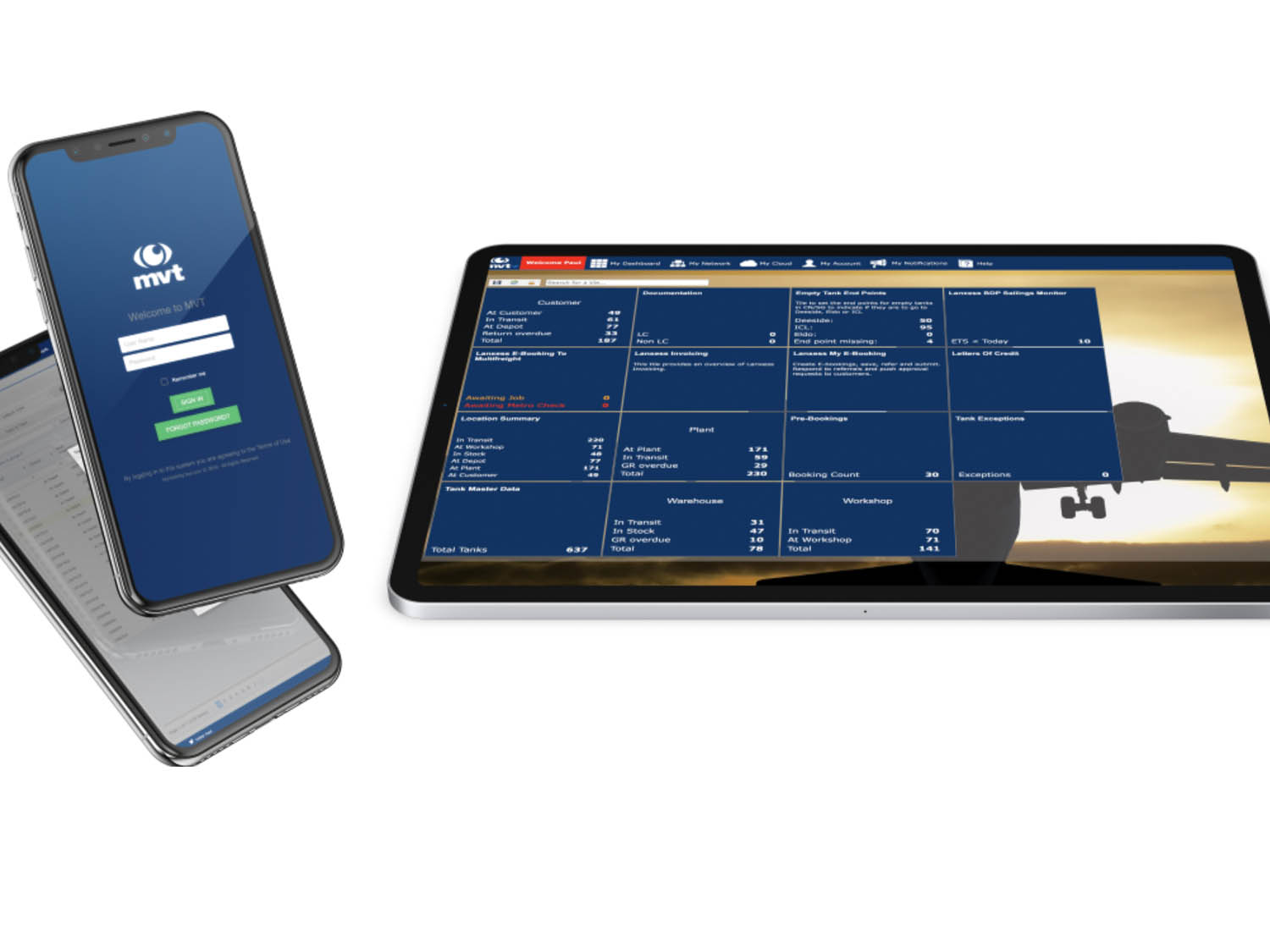
Dashboard view of customs activities, tracking, and reports
Customs badges across all UK ports and airports

Imports
RoRo, container and regional ports covered
All UK airports covered
Compatible with Simplified Customs Declaration Procedures (SCDP) and special customs regimes

Exports
RoRo, container and regional ports covered
All UK airports covered
Exit Summary Declaration application
Goods Vehicle Movement Service (GVMS)
Transit documents
ATA Carnet

Metro are at the forefront of automated customs brokerage solutions, simplifying and automating customs declarations for importers and exporters, with our CuDoS declaration platform and dedicated team of customs experts ready to support businesses of all types and sizes.

CuDoS simplifies and reduces the cost of trade, creating efficiencies and ensuring customs compliance by removing human errors.

To learn how we can simplify and automate customs declarations for your businesses, please EMAIL Andy Fitchett to review the options.

digital docs

Royal assent for Electronic Trade Documents Bill

Exactly two weeks ago the Electronic Trade Documents Act 2023 (The Act) received Royal Assent from King Charles III and will come into effect on the 20th September 2023. It sets out the basis upon which trade documents can exist and be dealt with in electronic form, such that an electronic trade document has the same effect as an equivalent paper trade document.

The Act paves the way for a significant shift in international trade. It states that a person may possess, endorse and part with possession of an electronic trade document, and anything done in relation to an electronic trade document has the same effect in relation to the document as it would have in relation to an equivalent paper trade document.

The International Chamber of Commerce has estimated that digitalising trade documents could generate £25 billion in new economic growth by 2024, and free up £224 billion in efficiency savings.

Prior to the Act, under English law it was not possible to possess electronic trade documents and therefore key English law principles in relation to documentary intangibles (such as bills of exchange) could not be applied to electronic forms of those documents.

The Act also amends the Bills of Exchange Act 1882 and the Carriage of Goods by Sea Act 1992 to remove certain incompatible provisions and means that businesses can now exchange trade documents electronically, such as bills of exchange, bills of lading, waybills, and insurance certificates.

The Act speeds up trade transactions and removes the need for paper documents in many cases. It also addresses transferability issues by permitting the legal concept of ‘possession’ to apply to an electronic document. 

The transfer of documents of title, which can take days, could now happen in moments, but the UK is the first G7 country to pass this capability into law, so the government must now take the lead in building the systems and getting the digital economy agreements in place with the rest of the world. 

The United States and Germany, have legislation enabling the use of most transferable documents already in place, while France is not far behind and Japan is exploring digital bills of lading and already possesses laws for digital promissory notes.

The UK’s move is likely to encourage similar shifts elsewhere. Already, there is talk of comparable bills in other jurisdictions, which may act as a catalyst, prompting a domino effect in other countries. 

The Act does not outline specific requirements for an electronic trade document system, which allows for the development of industry standards for such systems, such as the Digital Container Shipping Association (DCSA)’s e-bill of lading, the ICC’s Digital Standards Initiative (DSI), and the Future International Trade (“FIT”) Alliance. 

The Act will be transformative to trade and trade finance processes, but in the short-term users of trade documents and finance providers will need to deploy "reliable systems”, get comfortable with the risks associated with them and prepare for governments in other key jurisdictions to adopt similar legislation. 

Metro is leading the industry in developing the technologies and platforms that integrate with critical trade documents, including electronic bills of lading (eBL).

We have a seat at the UN/CEFACT forum and are members of the bodies that agree the standards and frameworks for standardised industry e-bill of lading and critical documents.

Please EMAIL Andrew Smith, CCO, now for further Information on our digital capability and how this can benefit your own continued global trade growth ambitions.

EV charging

Automotive trends – We are in lockstep 

In a sign of the growing strategic significance of supply chain management for carmakers, two major manufacturers have appointed chief supply chain officers (CSCO) this month. Their appointments come after the industry has battled disruption to production and supply chains, shortages in semiconductors, and supply and logistics cost and capacity challenges.

The Ford and Renault appointments come as automotive manufacturers increasingly put top priority on efficiency, capacity, quality and digitalisation across their supply chains, with UK car sales recovering from their slump in the pandemic and Ford reclaiming the best-seller title.

Keeping up with demand
New car registrations rose by 16.7% in May, the 10th consecutive month of growth as supply continues to improve. Large fleet registrations continued to drive the growth, up by 36.9%, which has been attributed to greater availability following challenging supply issues in 2022.

British car manufacturing continues its resurgence, with output growing 9.9% in the latest monthly figures and exports up 14.7%, with 80% of UK-made cars being exported

UK car production is up 13.1%, driven by uplift in exports, with the EU the largest market, followed by the US, China and Australia.

The global volume challenges of RoRo PCC and  PTCT services are well-document in the trade press and are likely to remain a serious challenge for several years.

Metro is supporting exports by shipping cars in containers, with significantly lower port to port freight costs, to avoid the long wait for delayed RoRo services, which have seen freight rates spiral due to congestion and shortage of space.

Standard 40’ containers can accommodate two large cars, properly secured and, with a rack, four small vehicles can be loaded which, with container rates falling to new lows, offers massive efficiency gains and costs that are in line with historic RoRo levels.

Digitalisation
David Leich, executive director of global supply chain at General Motors said last year that those working in supply chain faced up to 200 unique global supply chain disruptions a week impacting the delivery of inbound parts and the delivery of finished vehicles, while only 6% of them have full visibility of those supply chains.

To monitor its supply chain for potential risks that could delay or halt shipments JLR is planning to use a combination of Artificial Intelligence, predictive analytics and machine learning in combination with “human intuition”, to help avoid industrial disruption that could affect production and increase costs.

The introduction of the technology, by JLR and other manufacturers, is part of a wider move to digitally enable supply chains, with end-to-end visibility and security.

Metro is increasing use of predictive and AI technology, to collate real-time carrier updates, to maintain accurate vessel ETA’s, data for purchase order management, route optimisation and supply chain visibility. 

We are developing our telematics capability, to offer shippers a much more effective alternative to the data aggregators, who are quite simply compiling data from open APIs and screen scraping historic data. We favour the ‘smart container’ technology that a number of carriers are developing, and are actively involved with UN CEFACT in creating industry standards for sharing this data.

In addition to creating visibility along the supply chain, Metro’s technical solutions team have worked hard to ensure the quality of data and provide a suite of reporting tools that make it easier to interpret and implement actions in a meaningful way.  

Lithium Batteries
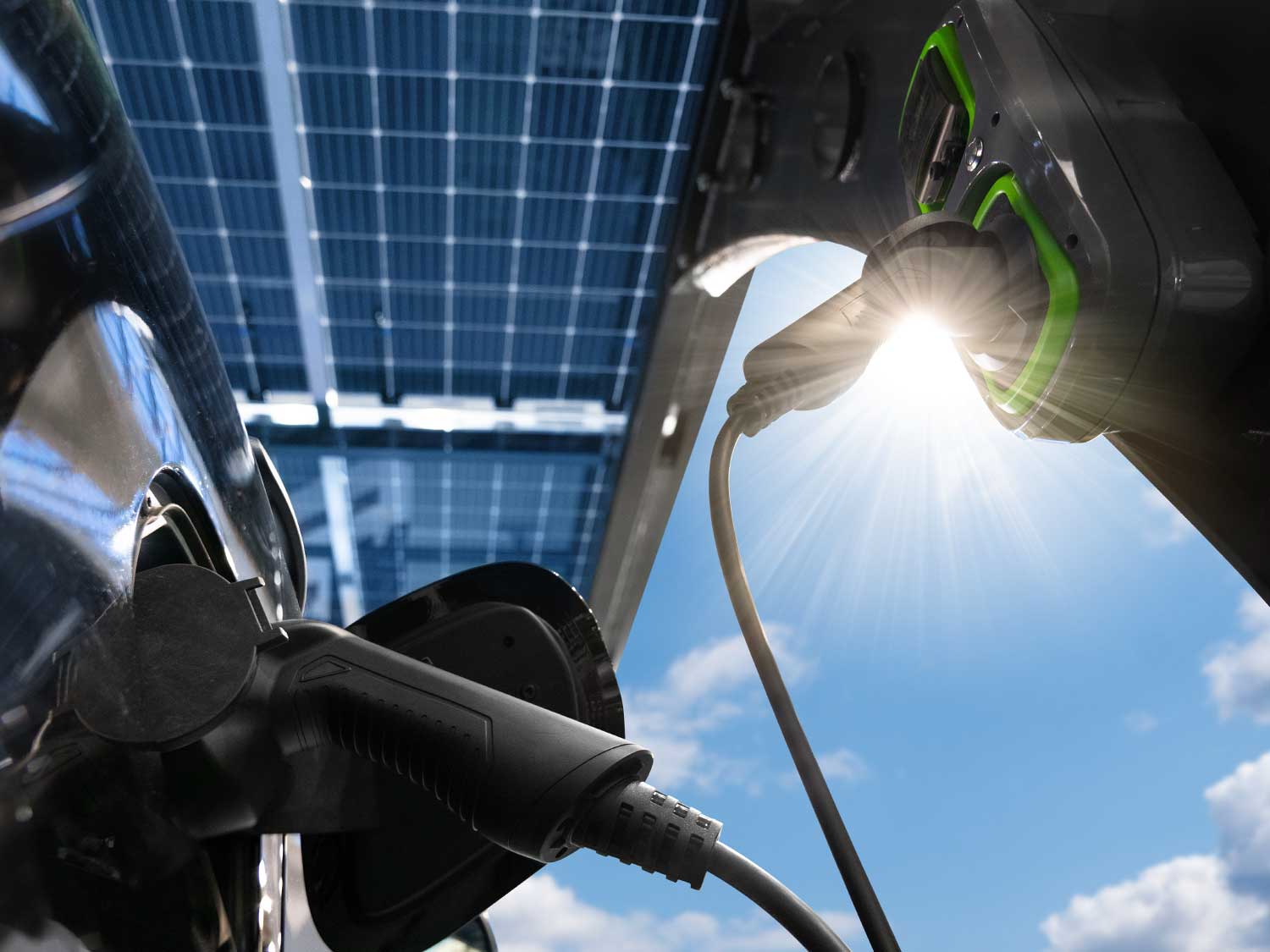
Growing demand from consumers and government incentives are driving demand for EVs globally and with more EV models coming out from more brands over the next two or three years, the added growth in battery demand means that manufacturers and supply chain infrastructure will struggle to satisfy demand. 

Bloomberg Intelligence, told Automotive Logistics that while the semiconductor supply constraints are now beginning to ease, battery supply to meet demand will be the next problem, with potential bottlenecks from 2025 for the supply of lithium batteries into electric vehicle (EV) production.

Metro’s automotive teams handle the movement of thousands of EV’s and battery components every month, by all modes of transport including - when appropriate - the use of refrigerated equipment, to maintain ambient temperature levels, for additional safety precautions.

We started developing our Lithium battery logistics platform over six years ago and since then we have invested in the resource to serve this vertical, including training to cover all modes. 

Our Li-ion transportation expertise is increasingly recognised as market-leading, with our automotive team’s manager invited to address the International EV battery conference.

If you would like to learn more about our automotive logistics capability, or to discuss any of the issues raised here handling, please EMAIL Ian Tubbs, Automotive Manager at our Birmingham HQ.

Trailer

European division continues expansion

Five months ago European Director, Richard Gibbs, outlined his vision for Metro’s road freight and short sea services, in developing the business’ capability across the EU. Today, he updates us on his progress and next priorities.

“Since the start of the year we have been working very closely with our continental partners and carriers to add new ‘lanes’ to our transport network, extending the scope of our regular services, alongside our daily EU-wide FTL and LTL services.”

“At the same time we’ve been increasing our operational capacity, by growing the European team and adding new freight centres and groupage hubs in Leicester (Desford) and Manchester.”

“Service design has a been a primary point of focus, but so too has customs compliance solutions and advanced technology, to deliver visibility, control and supporting services.”

“The development of the CuDoS customs platform by our technical services team and the digitising of customs compliance has been a ‘game-changer’ for our customers and particularly those trading with Europe.”

“Using Artificial Intelligence and Machine Learning CuDos optimises data capture and customs declaration processes, with an SLA of 98% on turnaround times of under two hours and record turnaround speeds under 8 mins.”

“Since Brexit, the UK is considered as a third country and transactions with the EU are no longer intra-community, but considered as imports and exports, which means that VAT and duties need to be paid in the country of import, creating a trade barrier for many exporters.”

“Some EU importers are comfortable arranging import clearances and our standard T form services accommodate these movements, across single and multiple borders. However, some EU importers do not want to arrange import clearances, which is why we have created a range of options that allow UK exporters to complete transactions with their EU customers simply and seamlessly and even as if it were a domestic transaction.”

“The options are varied and can be adapted to suit specific transactions and customer relationships. They are listed below, but really require further explanation, which we will provide in a future post - or you can EMAIL me now.”

The Delivered Duty Paid or ‘DDP’ Incoterm means the exporter takes responsibility for the transport of the goods and customs formalities in the UK and EU, by becoming the ‘Importer of record” in France (or another member state) taking the burden away from your customer.

 - Regime 42 is for DDP transiting France for another EU destination. 

 - Regime 40 is for DDP shipments where the exporter has a French VAT number enabling clearance in France for free circulation in the EU.

 - DDP Light is where the consignee authorises their VAT number to be used as the importer of record but any duty is paid by the exporter. 

To learn more about our expanded European capability, including our CuDoS and EU/DDP solutions EMAIL Richard Gibbs.