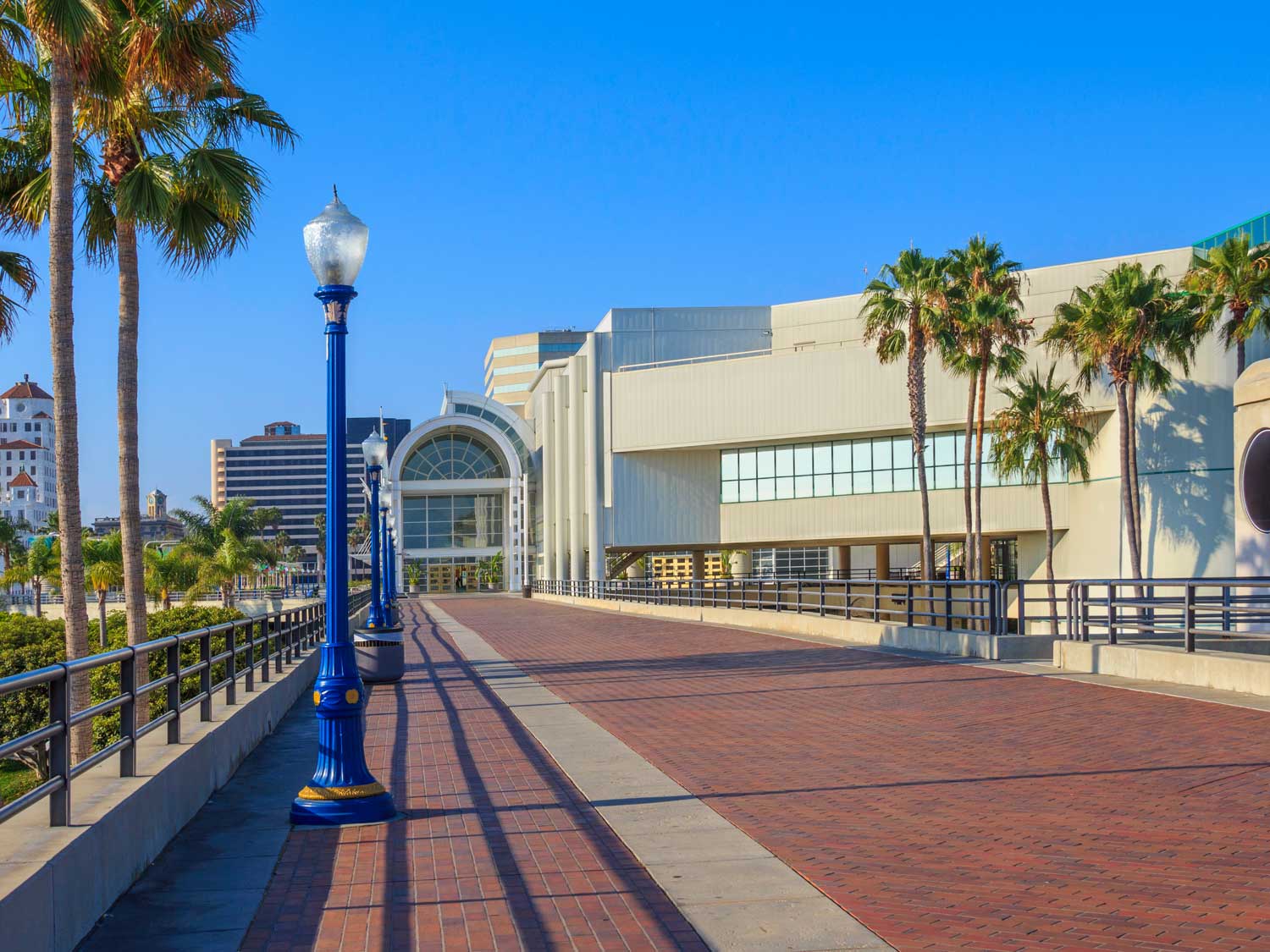
Long Beach Convention Centre

Making visibility a strategic tool

Now in its 22nd year, the annual TPM conference, in Long Beach California, considers the pressing supply chain and freight challenges affecting shippers globally. TPM attracts the most senior-level audience in the industry, including an executive team from Metro and is considered to be the ‘Davos’ of the shipping world.

Founded in 2001, TPM feature a rigorous program of topics and challenges, developed by specialised journalists covering international transportation and logistics. 

TPM annually presents the industry's most in-depth program, delving into the most pressing challenges affecting shippers and is a platform for a week of essential and intensive networking, negotiations, and relationship building among shippers, carriers, forwarders, technology providers, trucking operators, railroads, ports, terminals, and many other market participants.

Shippers who survived the pandemics’s supply chain disruptions did so by achieving visibility, but to improve their performance going forward, they must better manage the data they receive, participants in a TPM technology seminar agreed. 

Supply chain visibility became a priority challenge for importers during the pandemic, because many over-ordered merchandise, to provide buffer stock, against freight and logistics disruptions. 

With inventory held at origin, in containers, at transit points and warehouses throughout their networks, many shippers found they did not have the visibility they needed, at the locations where their inventory was being stored. 

While shippers may believe that their technology provider’s single platform collects all the data needed to track shipments throughout the supply chain, the reality is that the critical data generators are usually the shipping lines, airlines, logistics operators and warehouses moving or storing their cargo and that data is not being collated in real-time. 

Shippers learned over the past two years that they need an accurate view of their global supply chain, to overcome disruptions as they occur, using available information to make better, faster decisions and many technology providers were not up to the task.  

Metro is increasing use of predictive and AI technology, to collate real-time carrier updates, to maintain accurate vessel ETA’s, data for purchase order management, route optimisation and supply chain visibility. 

We are developing our telematics capability, to offer shippers a much more effective alternative to the data aggregators, who are quite simply compiling data from open APIs and screen scraping historic data. We favour the ‘smart container’ technology that a number of carriers are developing, and are actively involved with UN CEFACT in creating industry standards for sharing this data.

In addition to creating visibility along the supply chain, Metro’s technical solutions team have worked hard to ensure the quality of data and provide a suite of reporting tools that make it easier to interpret and implement actions in a meaningful way.  

To learn more or to arrange a demo EMAIL Simon George, Technical Solutions Director.

China exports

Supply chain shock absorber

The COVID-19 pandemic turned the public gaze towards supply chains and a previously unrecognised business sector became a household name, but after two plus years of navigating monumental challenges, supply chain executives, are faced with more challenges and need to secure their supply chains before the next shock hits.

Even as shippers try to make sense of the most tumultuous period ever seen in global supply chain management, the market is changing so rapidly that no matter how difficult the past few years have been, the future is once again taking centre stage.

Global container and air freight markets are shifting on multiple levels. Quickly moving on from the pandemic period and moving into a phase that had been expected to be a return to the pre-pandemic status quo, but is instead entirely new and unpredictable.  

Today’s supply chains are operating in a radically altered geopolitical and economic environment and a soon-to-be altered industry structure, with the impending breakup of the 2M Alliance likely to entirely transform the global container shipping market.  

Even as rates fall from their historic highs and port congestion and delays are fading, shippers need to recognise that the new era will have its own challenges, which need to be acknowledged, for the avoidance of risk.  

For the last 30+ years supply chains have been defined by opportunity to drive down cost and improve efficiency. Reliability was taken for granted and risk was an abstract that was rarely built into the business strategy and disruptive events were easily isolated, or avoided, because they were not part of the operating environment.  

All this has now changed and unpredictability has to be anticipated, even if there are no apparent triggers, because even if the industry looks normal, operational impacts will follow from a heightened perception of risk. 

This is demonstrated by the much greater than expected diversions from the West Coast to avoid ILWU labour disruption if contract negotiations stuttered or failed, as happened during earlier negotiations. 

And on top of unpredictable risk factors, shippers are balancing supply chain complexity against geopolitical demands over supply sources, but which is more resilient, having two suppliers for a critical component, or one that’s not ‘political’, It’s a really tough situation.

Metro’s MVT supply chain platform reduces the cost, time and risk of re-sourcing to new vendors and locations, with PO management, visibility and communication tools that onboard and integrate new suppliers into the supply chain.

To learn more or to arrange a demo EMAIL Simon George, Technical Solutions Director

The eBL is moving closer

Metro lead the way with ocean freight electronic bill of lading

Just weeks after the Electronic Trade Documents Bill was presented before Parliament, Metro has commenced its first trial shipment with an electronic bill of lading (eBL), on Hapag Lloyd, which was a first for the German carrier too.

Following large-scale frauds and disruption to global trade due to the impact of the COVID pandemic, the digitisation of physical shipping documents is becoming much more significant, with the Electronic Trade Documents Bill, which will allow for the legal recognition of electronic versions of bills of lading, currently working its way through parliament.

Ministers at last year’s G7 meeting agreed that paper-based transactions are “a source of cost, delay, inefficiency, fraud, error and environmental impact” in a bid to move towards global adoption of electronic bills of lading (e-Bills), which Mckinsey & Company estimate could save $6.5 billion in direct costs and enable $40 billion in global trade.

Unlike the paper bill of lading, which is time consuming, risky (can be forged/lost) and expensive, the eBL is secure and extremely cost effective, with a host of added benefits:

  • Reduced costs due to savings on postage and time to handle physical paperwork
  • No risk of losing eBL
  • Removal of costs associated with a complex procedure to release without the Original BL at destination, including weeks of D&D
  • Quick and secure transaction with one click of a button
  • Eco-friendly solution with no paper and physical movement
  • Same legal protection as an Original Bill of Lading
  • eBL can be tracked online, unlike paper OBL’s

The Law Commission was tasked by the Government to set out reforms to the legal status of trade documents and following a consultation period last year, the Commission published its recommendations in March, with the Electronic Trade Documents Bill now going through the House of Lords, before returning to the House of Commons to pass into law.

The Bill of lading serves three key functions:

  1. As a receipt, confirming that the goods have been loaded on board the vessel
  2. As evidence of the contract of carriage, between the ship-owner and the shipper and/or the lawful holder of the bills
  3. As a document of title to the goods.

The electronic bill of lading (eBL) Metro are currently testing fulfils the functions of a receipt and evidence of a contract of carriage and, when the Electronic Trade Documents Bill completes its passage, the eBL will also fulfil the function of a document of title.

In the vanguard of testing this new technology, so that Metro customers will be the first to benefit, the sea freight team will undertake further measured trials, including with shipments that involve banks in the release process and also with the full variety of partner ocean carriers that offer this option.

The first ‘trial’ customer said that they were “very impressed with the process” and Hapag Lloyd commented that “handling physical paper leads to processes that are cumbersome, outdated, time-consuming and error-prone. Hapag Lloyd has partnered with Wave BL to enable secure and quick BL release, saving costs for our customers. We firmly believe the future of the supply chain is offering digital solutions that are time and money saving, backed up by secure communication protocols.”

This is the future, now. The platform just needs confidence building, evidence that it is 100% evolved and that the integrity is unquestionable. We will continue to update and reassure.

We have been utilising similar models and platforms in air freight, with our partner airlines, for many years and this is an exciting evolution in the ocean freight environment.

Metro is developing the technologies and platforms that will integrate with electronic bills of lading (eBL) and members of the bodies that drive the technology standards and frameworks for a standardised industry e-bill of lading (eBL).

Simon George, Metro’s Technical Solutions Director and a member of the illustrious UN/CEFACT forum. “Even partial eBL adoption will save £ Billions, but mass adoption of an industry-standard eBL, requires robust technology, acceptance by governments, banks and insurers as well as open collaboration."

Please contact us for further Information and we will share the latest progess and updates and how this platform can benefit your own continued global trade growth ambitions.

Visibility

Delivering total supply chain control with 4PL transparency…. and much more

The COVID-19 pandemic raised public awareness of the critical importance of supply chains, with the industry being recognised as ‘key workers’ throughout the crisis. And the need for efficient logistics has increased reliance on fourth-party logistics (4PL) providers to manage complex global supply chains, which will see the global 4PL market, valued at £43 billion in 2021, reach £78 billion by 2030. Or we suspect probably much more.

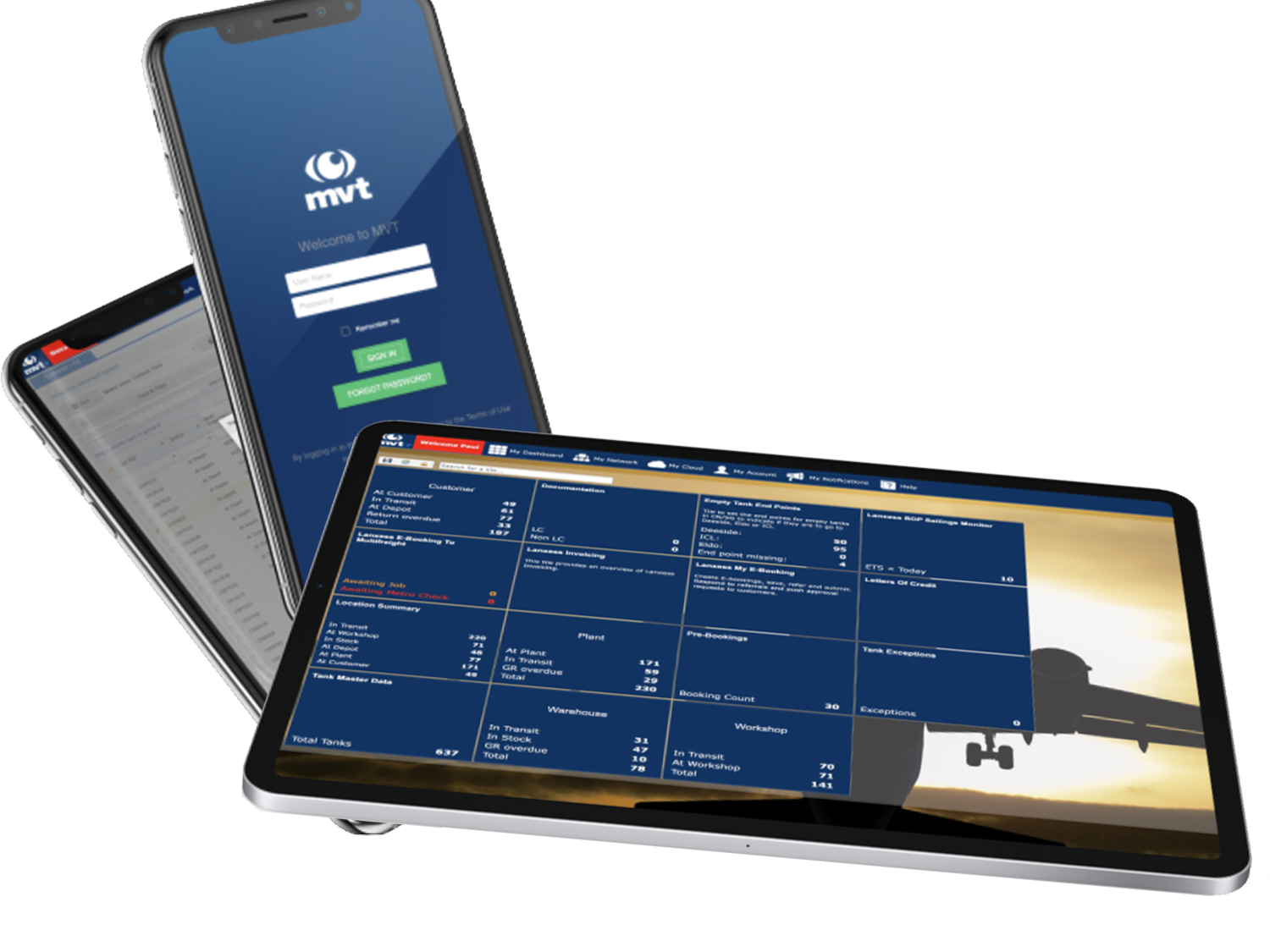
The Metro MVT (My Visibility Tool) platform was conceived and launched over 15 years ago to provide real-time shipment status updates and end to end control and milestone management throughout the life of a movement of product and its transit on a neutral platform. It is a cloud-based, hyper secure, 4PL solution that connects shippers to their entire supply chain, harnessing all participant entities, process and inventory data to provide complete real-time visibility, control and intelligence.

Accenture defines Metro’s 4PL solution as, “a supply chain integrator that assembles and manages the resources, capabilities, and technology of its own organisation, with those of complementary service providers, to deliver a comprehensive supply chain solution.” 

“The 4PL client achieves improved service levels, reduced costs of up to 25%, minimised asset down time and reduced supply chain risks to the business. Performance visibility, better reporting and enhanced analytics assist faster and smarter decisions.”

Metro’s cloud-based 4PL platform is entirely modular and configured to each customer’s needs and situation. It consolidates multiple data sources to deliver 4PL insight and control, for strategic supply chain management and data-driven decision making.

Each 4PL platform embraces essential data sources from key supply chain participants, with advanced drill down features and a library of added value features that support participant management, financial oversight and performance benchmarking. 

The 4PL platform is a single source for managing end-to-end logistics, with multiple participants, carriers and service providers. Shippers, manufacturers and retailers find it easier, and more profitable, to focus on their core competencies and trust the control of their transportation and distribution to an expert like Metro, with a mature and proven 4PL solution.

The COVID pandemic and the Ukraine war have revealed the vulnerabilities of complex, geographically dispersed global supply chains. Metro’s 4PL platform creates visibility and stability, to make extended supply chains resilient, even in uncertain supply and demand conditions.

And because Metro do not own assets, there are no vested interests, just objectivity to optimise operations, detect and address issues, to deliver the most efficient supply chain, at the best cost and best performance metrics.

EXAMPLE 1

For automotive manufacturers and supercar marques, the Metro 4PL control towers manages the movement of finished vehicles globally. These singular assets are often time critical and very valuable, which means the 4PL needs to be constantly scanning the market to source the right mode of transport, for time sensitive freight moves, with the optimum balance of cost, service and on time delivery, while monitoring the vehicles progress throughout its journey. Scorecards rate vendors, validate invoices and provide a monthly KPI pack. 

EXAMPLE 2

For consumer product manufacturers Metro’s neutral 4PL solution manages multiple freight forwarders, consolidating data to provide a single view of the supply chain and giving the customer the ability to replace forwarders, without the hassle of integrating new systems.

Our commitment to innovation and developing bespoke digital solutions goes back decades, with the latest generation of 4PL tools incorporating robotics, predictive analytics and AI, to minimise risk along the supply chain. The latest modules monitor and measure CO2 emissions, at consignment level, for off-setting and ultimately carbon-neutral supply chains.

For more information on the 4PL platform, or to discuss how our technology could support your supply chain, please EMAIL Simon George our Technical Solutions Director or Matt Weight.