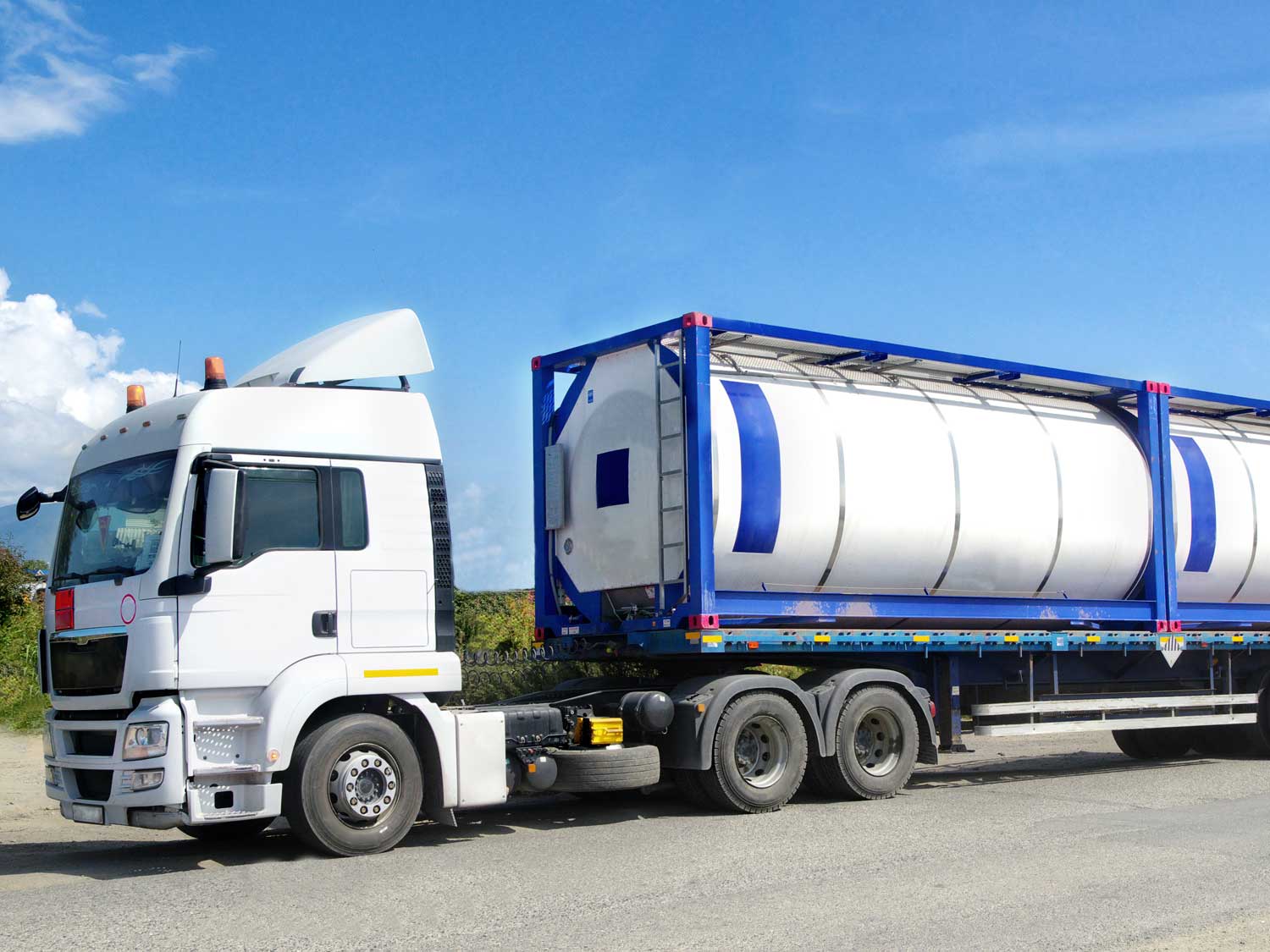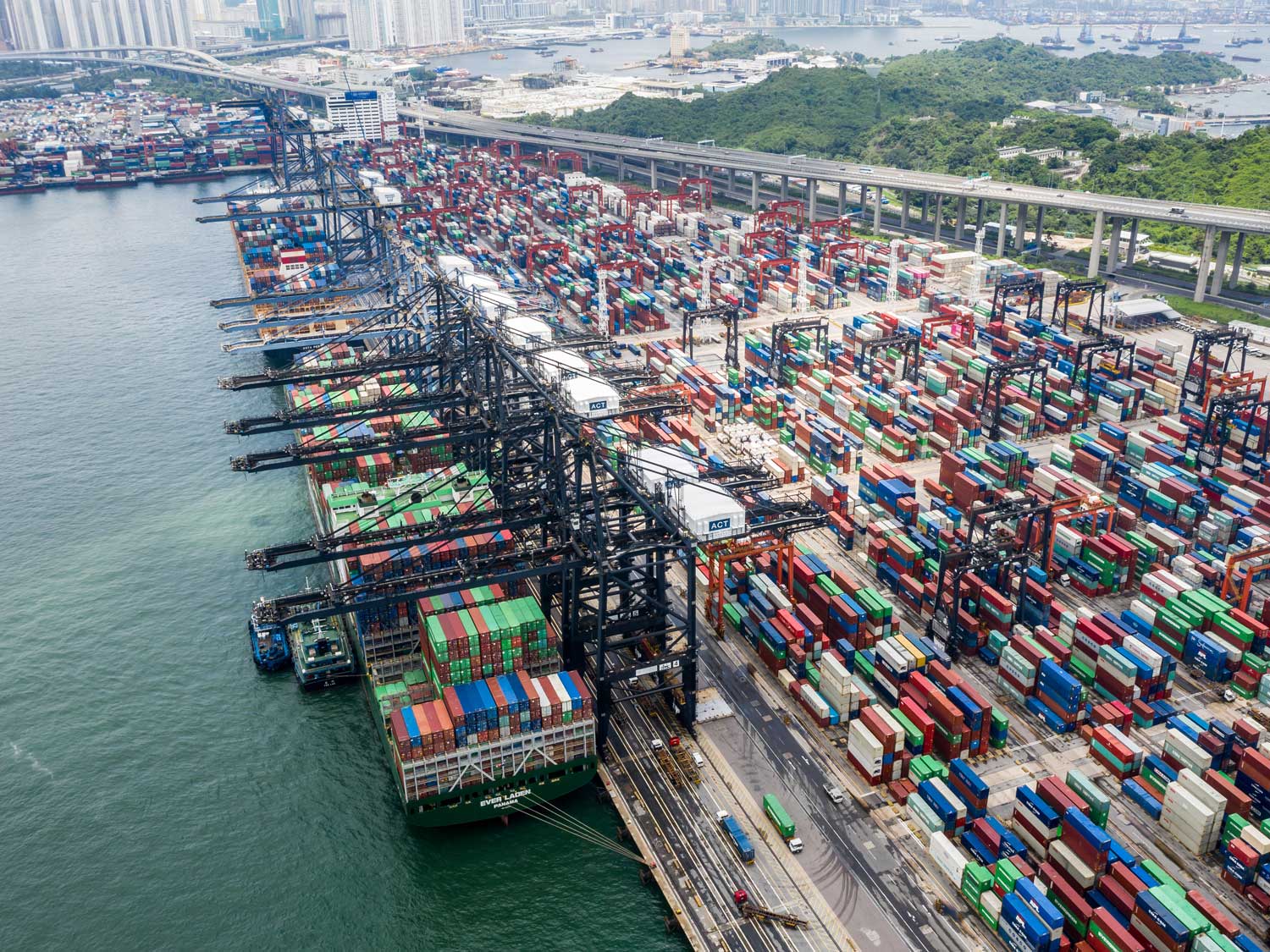
ship and graph

Contract negotiations signal carrier intent

Taking advantage of current market dynamics shipping lines are trying to move the biggest shippers - retailers and manufacturers - onto two-year terms for 2022, with some container carriers trying to negotiate even longer periods, of three or even four years.

Contract rate spreads from base ports in China and other parts of Asia are in the top two quartiles of the highest spot rate levels (which is extremely high for BCO’s) with rates for 20’ containers being quoted at much higher than 50% of the 40’ price, placing a penalty on the smaller containers.

While some carriers have walked away from their contracts, pushing importers to costly spot (FAK)  and premium rates, others are looking to shift some BCO customers and logistics providers onto long term contracts, but there are questions about what dynamics the lines are looking at. Because, even with rates at all-time highs, ships full and capacity reduced by congestion and a lack of equipment, the market’s peak may have been reached. 

Rates on a few trans-Pacific trades did soften as a result of China’s Golden Week holiday, but the market has picked up again very rapidly, because backlogs continue and demand for space is still strong as consumers continue to consume and low inventory levels need replenishment.

If the power-cut enforced closures of factories in parts of China continue, it may well allow Asian, US and European ports to catch up with the processing of containers through their terminals, which will assist with the mitigation of congestion and allow shipping schedule reliability to improve. However it may just suppress demand temporarily, if manufacturers’ backlog of orders simply pile up.

It is clear that the carriers expect continued pressure on lead times and costs through to the end of next year. At a time they are making record profits, they have also been ordering new vessels (equivalent to 5m teu of new capacity) with the first deliveries coming in 2023. And with 2023 not too far away, carriers may find themselves with more capacity than demand once again.

It may be that some lines, particularly those with long-term exposures to very high charter rates, have been looking to lock-in contracts at long-term rates that will allow them to meet those obligations.

The current logjams and challenges within global supply chains will be worked through as demand settles to more realistic levels and with an order-book that now stands at around 20% of the fleet, it is very likely that some sort of discounting may begin in the market, before those vessels are delivered.

It should be noted that the majority of this new capacity will be provided by ships carrying more than 20,000 TEU and this could simply reignite much of the current global port disruption, because many ports do not have the infrastructure with cranes, equipment or capability to handle Ultra Large Container Ships (ULCS), which can be 61 metres wide, 400 metres in length and require 17 metres depth clearance.

Carriers that have secured capacity at very high rates with long contracts beyond the 2023 period, when much of the order book will be delivered, may be desperate for market share, but with the three alliances functioning so well, don’t expect it to be any of the big lines.

The leading shipping lines got through the tricky second and third quarters of 2020 much better than they had expected through cutting capacity, so even though their share prices fell the lines were in good shape financially.

Carriers have been forced to become very effective at managing their capacity and they will evolve into the post-pandemic era in a much stronger position, so while some may falter, the majority – certainly the larger lines – will maintain healthy returns.

Global supply chains are likely to be under intense and sustained pressure for some time yet, and we will continue to share with you the most important developments so that you are informed and prepared to make critical decisions ahead of potential issues. 

We negotiate rate and volume agreements with carriers across all three alliances, which means we have the freedom to react to market conditions and changes. 

Please contact Elliot Carlile or Grant Liddell to discuss your supply chain expectations and deadlines to ensure your business is ‘future proofed’ for the rest of 2021 and 2022.

Qatar unloading

Air freight welcomes return of passenger flights

Passenger aircraft pre-Covid supplied at least 50% of all global airfreight capacity in the ‘belly-hold” space under the passenger deck and the return of air travel will ease congestion and rate pressure on the time-sensitive mode.

Passenger airlines will begin to convert and reduce the number of aircraft operated in ‘preighter’ configurations this autumn, as more of their fleets return to flying scheduled passenger services, particularly on European and transatlantic routes.

United Airlines deployed half of their wide-body fleet – every passenger airplane the size of a B767 and bigger and representing well over 200 aircraft – to fly cargo-only missions during the pandemic, but when the US reopens its borders for travel in November, the airline is planning to only have four to five of its largest planes flying cargo-only missions, because the others will be deployed on passenger routes again. 

From early-November, the transatlantic air transport market is set to be completely open again, with the US accepting vaccinated travellers from Europe. Right now, these schedules are significantly less compared to pre-Covid levels and we see that shortfall in belly-hold space reflected in the elevated rates, as flights operated are reliant on cargo income only to make them economically viable.

With BA only restoring around 80% of trans-Atlantic capacity, the key question is what is going to happen when it gets back to 100% and how long that might take. It’s possible that the speed of recovery and the available aircraft may be distorted, because a lot of carriers, that would normally be flying in Asia, may try to enter the transatlantic, and other re-emerging travel markets, as they are able to focus back on their main revenue stream.

Despite Singapore allowing quarantine-free travel from the UK, Asia remains a challenge, because passenger flights cannot fly there as pandemic-related restrictions remain in place, throughout much of the region.

It is worth highlighting that despite the presence of numerous ‘preighters’ and dedicated freighters there are not simply enough of them to fill the hole left by the missing belly-hold capacity from the passenger airlines flying into Asia, from Europe and the US.

Another significant issue is reducing the number of air cargo charter flights carriers can operate, due to Covid-related restrictions placed on pilots and aircrew.

When pilots return to some Asian countries, they are subject to a (Covid-19) quarantine period of up to 21 days, which effectively means that a crew will only be able to fly one trip per month.

As long as that is the case – and unfortunately we don’t see any real change in the situation in the foreseeable future – rate levels will stay more or less where they are now.

As the air cargo market enters the Q4 peak season there will be many shippers desperate for capacity, no matter what price is offered, because it will be extremely hard to come by in the short-term.

Metro will continue to ensure that we advise the current week's situation in regard to air freight and critical time movements. We will always present all solutions covering every option that will ensure that deadlines are met and ideally exceeded.

Please contact Elliot Carlile for immediate review and advice on what we can do for you during the final quarter of 2021 – and beyond.  

FXT at dawn

Skipped port calls add even more frustration and delays

With global supply chains continuing to struggle against pandemic-related congestion and disruption and traditional peak seasons being extended, or seemingly never ending, we are anticipating a pre-Chinese New Year rush in December/ January and would recommend planning supply chains well ahead for 2022. ‘Forewarned is forearmed’ as the saying goes...

Despite inventory levels sitting at their lowest ever recorded levels and cargo volumes continuing to remain strong, some container shipping lines are taking steps to “rationalise” their service coverage, by reducing the number of port calls, in an attempt to speed-up schedules and improve reliability on its Asia-North Europe loops.

And the increasing number of ship diversions in North Europe is adding to problems for exporters experiencing booking cancellations, due to the last-minute decisions by carriers to skip ports making the uplift of laden containers impossible.

The decision to omit scheduled port calls due to berthing delays, while succeeding in turning ships around in North Europe at a quicker pace, is creating a build-up of frustrated exports and cancelled empty evacuations at several ports.

Over-landed UK cargo is now stacking up at Rotterdam and Antwerp, with carriers looking at other ports, such as Zeebrugge and Wilhemshaven, to discharge UK import bound boxes, which ultimately have to be sent on an additional short sea voyage to their final destination.

Without any spare capacity to relay the containers back to the UK, carriers are turning to feeder operators, who say that even when they find ships, the chances of getting a berth to load or to discharge the boxes back in the UK are slender, and they could be sitting outside ports for several days. This is compounding issues rather than resolving them unfortunately.

Often feeders cannot get alongside, as deep-sea container ships, that had arrived after the feeder, are given berthing preference by the port and it is not unusual for it to be the same shipping line that fixed the feeder movement.

There are reports that Felixstowe, London Gateway and Tilbury are all currently refusing to accept any ad hoc feeder vessels and while landside congestion at Felixstowe is easing, some carriers have previously advised that operations were being impacted by very severe trucking shortages across the country, leading to high yard density in the ports.

It is anticipated and widely accepted that the issues we see currently within the logistics sector and the high freight rates across all modes will continue next year without much compromise until the second half – hopefully with a ‘correction’ in a very strained global shipping market leading back to some sort of sustainable normality.

Metro will always provide you with the latest market information, insights and options, so that you can be proactive in securing your supply chain. 

We always favour engagement and a collaborative partnership approach with our customers and encourage the sharing of forecasts, so that we can secure volumes and book space, well in advance. 

For further information and to discuss your ongoing requirements please contact Elliot Carlile or Grant Liddell.

empty shelves

Supply chain weaknesses exposed by Covid

For decades, offshoring and global sourcing have offered lower labour and operating costs, wider product ranges and opportunities to reach new markets. The pandemic has exposed their supply chain vulnerabilities.

Customers are expecting faster and faster deliveries, but global supply chains take weeks and even months to land goods from overseas and lead times have been extended since the Coronavirus outbreak in early 2020. Owing to port congestion, raw material shortages, transportation bottlenecks/ delays and the HGV driver crisis.

The combination of national and local lockdowns and economic and political instability has highlighted three global supply chains weaknesses:

Lead times

The impact of the pandemic has profoundly challenged the effective management of extended supply chains, with average lead times from China increasing by 222% and from the US by 200%.

Raw material and component shortages are impacting verticals, with electronic components facing the biggest supply chain constraints, with lead times for the most important lines increasing from 16 weeks to over 52 weeks, with manufacturers increasingly running out of inventory.

Lower speed to market because of longer lead times, may also open doors for competitors, who can take market share by releasing products earlier.

Brexit poses even more challenges for unprepared UK manufacturers and exporters, with border delays and additional administrative burdens, extending lead times.

As a consequence, their end customers could potentially be liable to pay increased import tariffs, but also for extra costs throughout the supply chain, such as additional inventory holding and transportation costs.

Lack of diversification

Many businesses, keen to cut costs, have outsourced production, or sought oversea vendors, but Covid has highlighted the danger of excessive reliance on specific locations, regions or suppliers. And in the worst instances supplier, or supply chain collapse may put the businesses in significant danger.

Organisations faced significant challenges across the supply chain in the wake of the crisis and for the vast majority, over-reliance on vendors and manufacturers has led to shortages of critical parts, materials and orders. Exacerbated by difficulties in supply planning, due to a lack of information from the same suppliers.

In addition to the issues raised by the pandemic, if a single source or manufacturing base experiences any unpredictable or major event, or it is purchased by a competitor or runs into financial difficulties, customers that depend on it will be in jeopardy.

Lack of visibility

During the pandemic many companies have struggled to deal with an uptick in customer demand and overcome disruptions to their supply network with 72% (s. Capgemini) facing huge challenges in monitoring their end-to-end supply chain.

The main challenges reported by business owners, in a survey by Capgemini, was monitoring the location and status of their inventory and precisely tracking their transport capacity.

Without inventory visibility businesses struggle to scale up or down, to meet demand, or position products correctly, which all adds to difficulties in demand planning.

Difficulties with products being held up in ports or across borders has been common over the last 20 months and delayed shipments mean longer lead times, but without that visibility, executives cannot reconfigure the business’s expectations and control costs.

The lack of end-to-end visibility in global supply chains can expose companies to higher risk of disruption and those that don’t have transparent supply chains may suffer huge financial losses, because they don’t have enough information to identify disruptions and act accordingly.

Demand is driving change and supply chains need to be flexible, customer and solution driven, with end-to-end transparency and a single global inventory view, that supports efficient operations along the entire supply chain.

We work with our customers to improve their supply chain resilience in five key areas:

Understanding – We make it our key mission to recognise our customers requirements and expectations along with desired outcomes. With a thorough knowledge of what is needed we can contribute, create, design and provide all options available in the current market.

Visibility - Our cloud-based supply chain management platform, MVT, provides end-to-end visibility across their entire supply network, with global control down to item level.

Agility - Slower moving lines can be deferred, while priority orders can be highlighted and expedited, to increase speed to market and close the cash-to-cash cycle.

Diversification - With MVT, it is simple to monitor and add vendors. The system pro-actively manages and benchmarks vendors, product flows and outbound order data.

Contingency - MVT’s exception alerts and rules-based solutions, correct operational non-conformities, without human intervention, or alert users to issues outside set-parameters for corrective action.

For specific information, or to discuss how our technology could support your supply chain, please contact Simon George our Technical Solutions Director or Grant Liddell, for the latest innovation and initiatives that we have launched to underpin your own objectives.