MVT

Award-winning MVT moves up to the next level

MVT, Metro’s cloud-based, hyper secure, operations and supply chain management system is moving up to version 4.0

Multi award-winning MVT connects shippers to their entire supply chain, providing real-time visibility, milestone event management, control and intelligence, in a secure cloud based environment. This is down to Purchase Order and SKU levels.

For twenty years Metro has been investing in technology,  software developers, systems analysts and data scientists to conceive, design, create and support four generations of "My Visibility Tool”.

Built in Angular and .NET frameworks, the ‘all-new’ and refreshed Version 4.0 will offer a much friendlier and interactive user experience (UX), incorporating single-sign-on authentication (SSO) to further enhance the security of the platform.

Despite working from home, during crucial build stages, the MVT development team has maintained a tightly-knit disciplined approach to keep production on schedule, with the first customer Dashboard shipped last month and several more in the pipeline, to be released over the next three months.

The team are incrementally migrating legacy applications to the new platform, with other applications in the pipeline for an upgrade including core products such as Track and Trace.

Already looking to Version 5.0 and beyond, Metro’s technology team is currently supporting two Blockchain projects and exploring the opportunities in Industry 4.0, where Metro is using data from sensors, geo-fencing and GPS to track client assets and monitor environmental conditions with pinpoint global accuracy.

MVT is not just a track and trace platform. It is a business enhancement tool, that streamlines global trading and ensures every aspect of the supply chain is transparent and measurable.

With Brexit creating a much larger new requirement for international trade, Metro are at the forefront of digitalisation of the European structural changes to come within trading with our Continental partners.

For further information please call your account manager for a health check of your current logistics model.

containers in water

The reality of marine risk

In the last few months EMEA freight thefts alone amounted to more than £16 million, but there are many more supply chain threats than criminals.

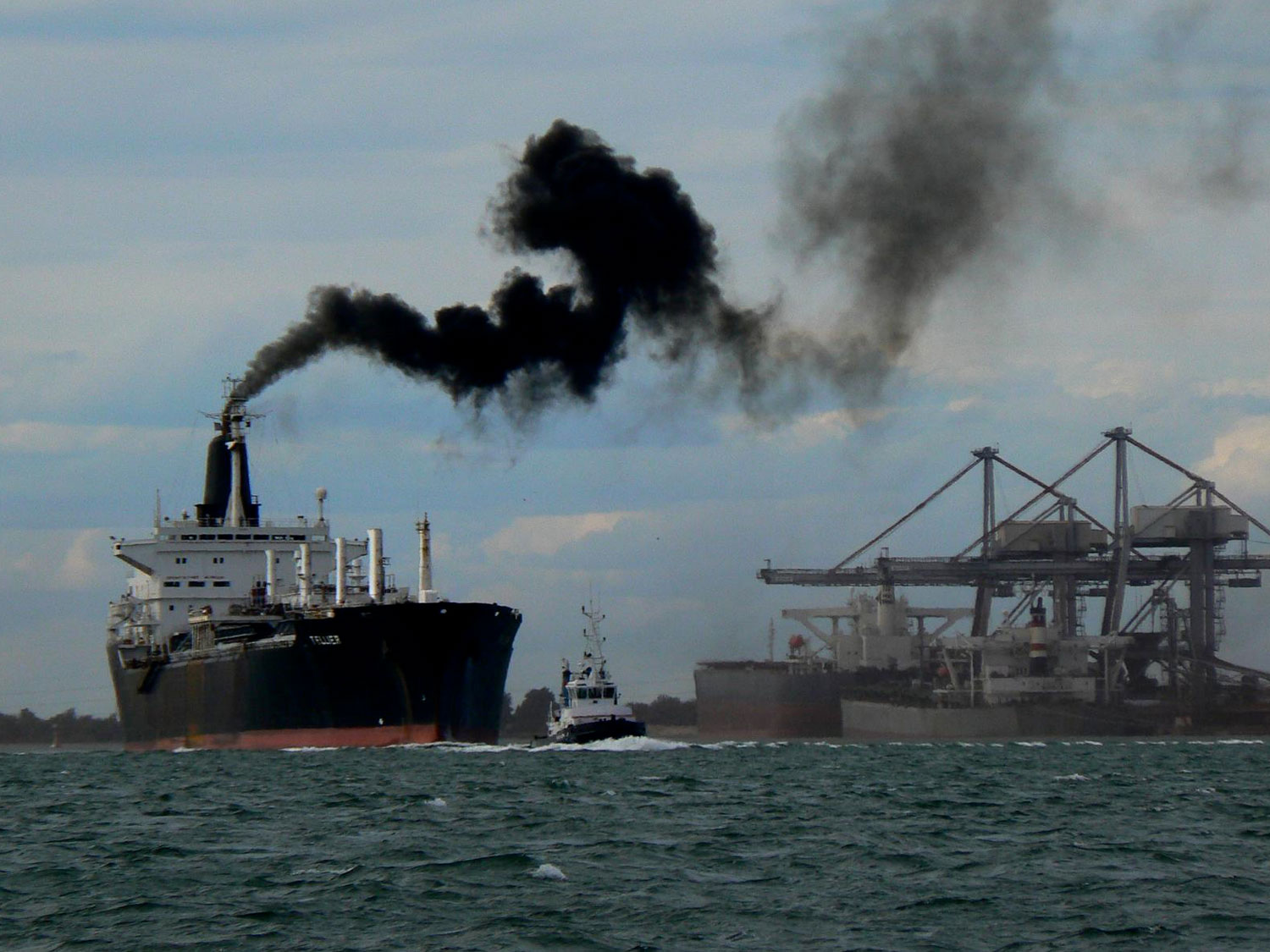
At any given point in time, more than 6,000 vessels carrying containers are sailing the world’s seas and while fires and capsizes make international headlines, container losses overboard rarely do.

The numbers are relatively low. An average of 1,382 containers were lost at sea each year between 2008 and 2019.

From 2008 through 2010, container losses averaged 675 per year, then quadrupled to an average of 2,683 per year from 2011 through 2013.

There has been a downward trend in the most recent three-year period, from 2017 through 2019, when the annual loss fell to 779 containers.

The issue for shippers is that, even with proper packing of cargo, correct container weight declaration, and proper stowage and securing aboard ship, containers continue to be lost at sea, because of severe weather, structural failures or collision. 

Metro recommends All Risk marine insurance to protect you against all loss of cargo which includes piracy and theft. While you may have no control over what happens to your goods when they are in transit, you can protect yourself against a variety of negative events at sea, on the land and in the air

Major ship losses continued to decline last year, but smaller incidents are on the rise, alongside increased safety risks resulting from the coronavirus pandemic.

Asia was worst hit, with 14 large ship losses, which is put down to high levels of trade, busy shipping lanes, older fleets and typhoon exposure, while there were almost 200 reported fires on vessels over the past year, a 13% increase.

A spate of containership fires prompted renewed focus on verified gross mass (VGM) declarations recently, with carriers implementing new and higher surcharges for misdeclared cargo weights.

The carriers steps to increase fines may help, but if this persists, it could result in mandatory manual inspections or similar moves to protect against these types of issues, which could lead to unwelcome additional costs.

And concerns are growing about the potential safety risks from the crew change crisis, following the global coronavirus pandemic, as the impact on the welfare of sailors could lead to an increase in human error onboard vessels.

For further information on your marine insurance cover, to ensure that you have full liability, please contact your usual account manager.

Metro, and our partner carriers, have a limited liability cover, as per various T&C’s across the supply chain, but these invariably will not cover the value of product.

Let us reassure you with a quick discussion to ensure that you have full cover to minimise transit risk.

The Metro team talk Chris Williams

The Metro team talk: Chris Williams

Trade and Customs Compliance Manager, Chris Williams, joined Metro in 2019, bringing with him over 30 years of international trade compliance and customs experience, gained with multi-national and national businesses at global and local levels.

Chris’ detailed knowledge of global import and export procedures, legislation and prohibitions, provides the foundation for the development, implementation and maintenance of Metro’s compliant trade policies and strategies.

Chris has also overseen the design and implementation of customs control processes to obtain AEO accreditation in the UK three times, including the implementation of automated programmes for the completion and retention of Customs declarations. This is particularly relevant to impending Brexit requirements.

The focal point for Metro’s interaction with UK, EU and global customs authorities, Chris provides fiscal and compliance guidance and training, to internal and external stakeholders.

His experience in automating declarations and strategic HMRC engagement has made Chris an invaluable member of Metro’s Brexit Task Team, leading the development of the ‘Brexit-Proof’ platform, ensuring regulatory compliance and delivering maximum value to Metro’s customers.

Pivotal to the successful creation of Metro’s ‘Brexit-Proof’ platform has been Chris’ ability to re-engineer complex supply chains and mitigate risk, while designing compliance processes that utilise available customs simplifications.

Chris designed the simple ‘Brexit-Proof’ compliance assessments, audits and due diligence reviews that form the basis of individual client solutions.

Working with historic client data on European imports and exports, Chris and the Brexit Task Team cover risk, regulatory, compliance and security issues in their supply chain health check, to ensure that import and export processing is in line with business needs and objectives.

In releasing public-domain trading data and completing a short questionnaire Metro clients get their own bespoke ‘Brexit-Proof’ solution providing:

  • Secure, cloud-based solutions
  • Complete peace of mind on 1st January 2021
  • UK and EU Customs compliance to avoid delays
  • The right HMRC regime(s) for your needs
  • Real-time visibility, control and intelligence
  • Fiscal forecasting and reporting to aid cashflow management
Metro leading the way in industry digitalisation

Metro leading the way in industry digitalisation

Leading analysts warn that some freight forwarders and 3PLs will be unable to respond quickly to supply chain changes and the technology that supports it. Metro already have the answer.

As global manufacturing, and the supply chains that support it, continue to be transformed by new technology, experts are predicting the emergence of a new breed of e4PL providers.

One of the greatest challenges that the largest, most established freight forwarders face is how quickly they can adapt and respond to many of the global changes currently underway.

For decades forwarders have been adapting successfully to markets that evolve over time, but markets that experience seismic shifts, driven by shifting demand or technological transformation will prove more challenging.

Analysts predict that the future leading logistics players could come from software providers, harnessing technical knowledge, market expertise and adaptable technology platforms, with the ability to deliver these services to customers anywhere.

In familiar ‘disruptor’ terms the main problem for established forwarders is defined to be an inherent structural inflexibility, while the ‘technical’ provider’s investment in technology, software developers, systems analysts, data scientists, procurement, supply chain, logistics network design and industrial engineering is what’s required.

Building and blending such teams is both very expensive and time consuming and attempting to do so inside an existing logistics organisation is challenging and may be impossible. But so too is it for a technology provider.

For twenty years Metro has been investing in technology, software developers, systems analysts, data scientists, procurement, supply chain and logistics network design to create our award-winning MVT operations and supply chain management tool.

We are a supply chain integrator, that manages our resources, capabilities, and technology, with those of appropriate complementary service providers to deliver comprehensive 4PL supply chain solutions.

The typical 4PL client achieves improved service levels, reduced costs, minimised asset down time and reduced supply chain risks to the business. Performance visibility, better reporting and enhanced analytics assist faster and smarter decisions.

The modular Metro 4PL platform offers 16 modules, configurable to customer needs and situation, to consolidate multiple data sources and deliver 4PL insight and control, for strategic supply chain management and data-driven decision making.