New China rail services added

New China rail services added

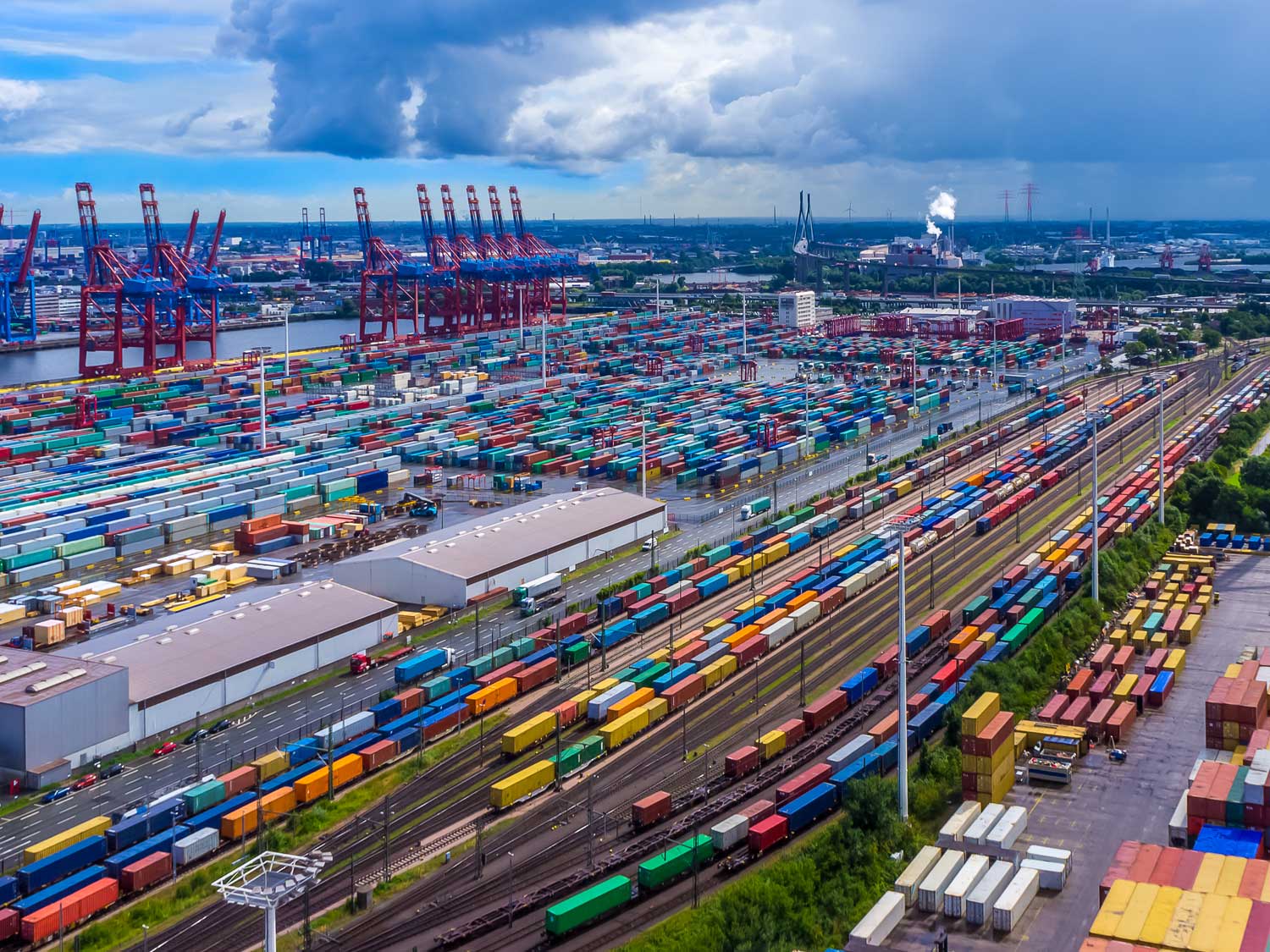
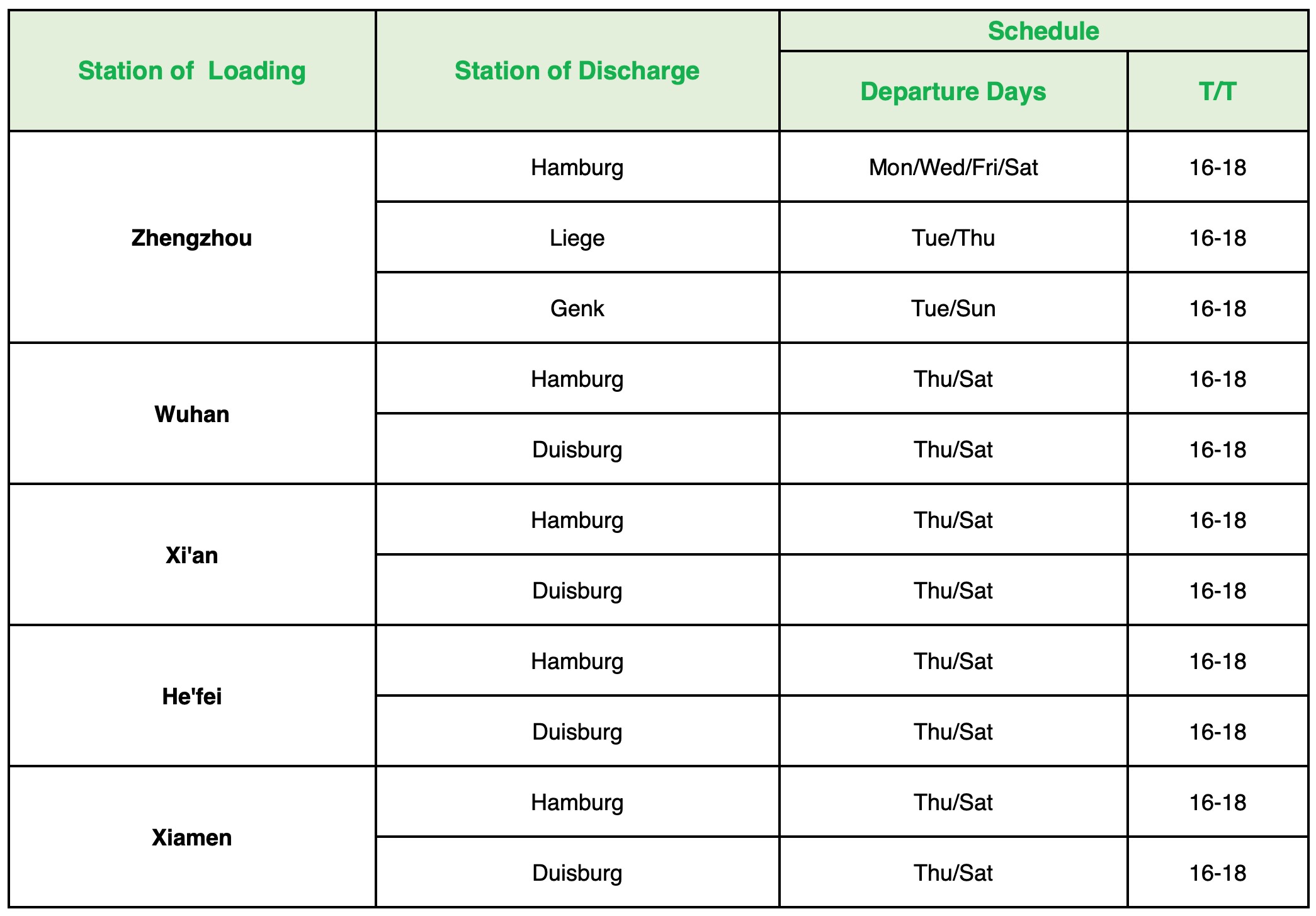
Supply chains between Europe and China continue to face significant pandemic-related disruption, leading to an upsurge in interest for rail freight solutions from the region. Reacting to expanding demand, we are increasing our rail freight coverage, to embrace all major China sourcing regions.

The increased load factors (number of containers) on each arriving vessel is creating spikes in demand, which are increasingly overwhelming the ports’ capability to handle the vessel discharge and container movements to release.

While the inbound volumes are considerable, the primary issue is the reduction in operating capacity, as essential working practises must adhere to social-distancing and “Covid 19” cleansing routines.

Container ports operate 24/7, but at the end of every shift equipment and all common areas must be removed from service for extended periods for a deep-clean, which immediately diminishes the port’s capacity and operational working time. 

A typical example would be between 0500-0700hrs, where no activity occurs. 

In reality for road operations (VBS-Vehicle booking Slot), these are reduced the hour prior to allow terminal operations to reduce and after shift change to recommence. 

If a vehicle is on the quay before the cleaning period, there is no guarantee that it would be handled before.

This has led to greater pressure on the availability of booking slots at peak periods and vehicle delays, which may be longer than the transit time to delivery point. 

This is against the background of a container haulage industry, which has struggled throughout with a number of casualties.

Hauliers are working to redeploy furloughed drivers and review fleet operations, to meet these challenges, but at the same time they have to address the additional costs that the restricted operations at ports and inland DC’s are creating. 

The fluctuating volumes and spikes, combined with a notable reduction in PM work, means that port capability can only be defined cautiously, as we head into Q4 with limited flexibility and much uncertainty.

The restricted operations that the ports are labouring under, are adding to the demands faced by haulage operators and will quickly exceed capacity resulting in delays, making recovery even more challenging.

Metro continue to work closely with our haulage and intermodal partners, to minimise any negative impacts on our customers and while we have seen limited effect to date, we will maintain our maximum efforts, to safeguard your supply chain from this deteriorating situation. 

Click HERE to download our rail service schedule

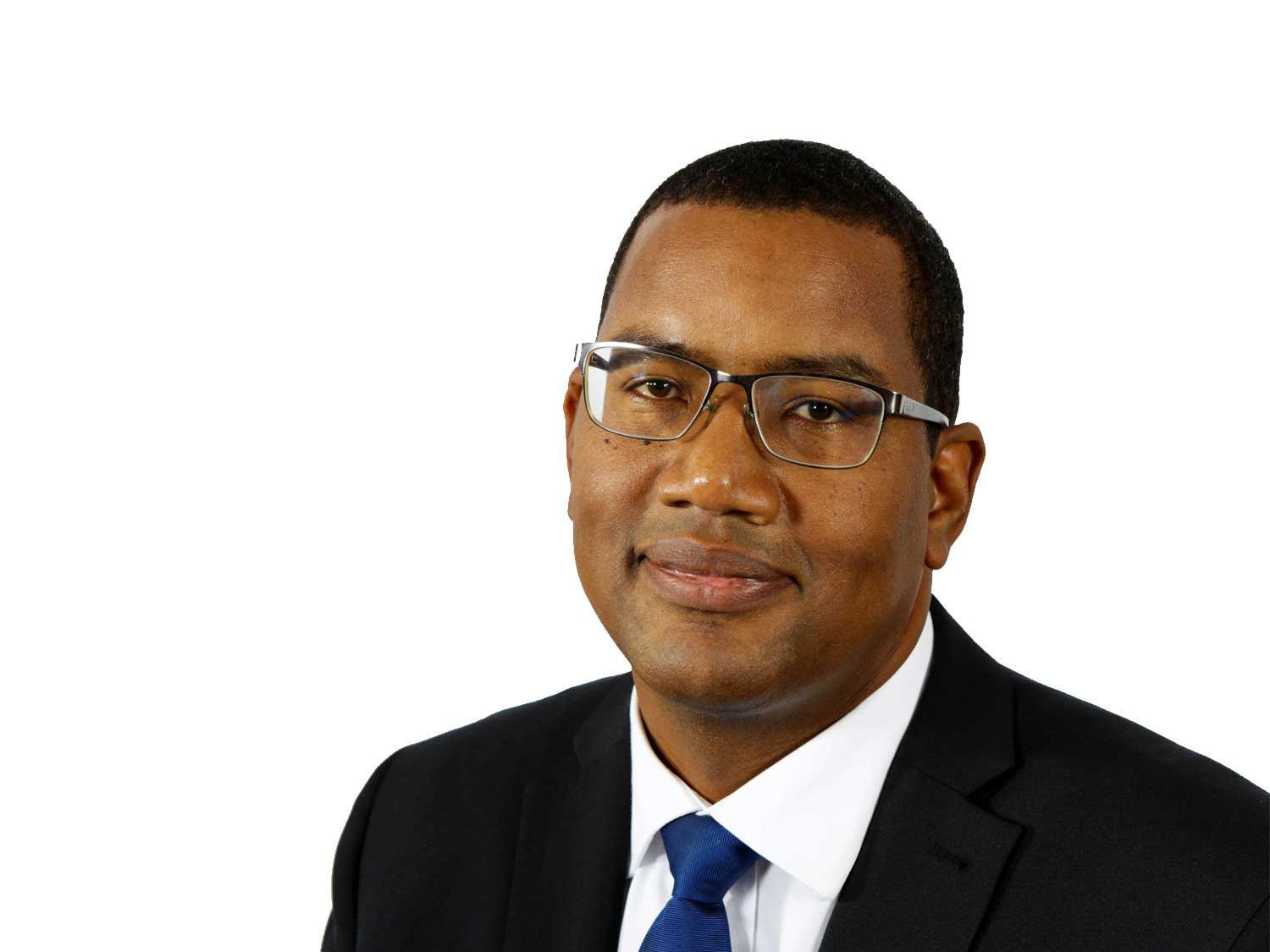
The Metro team talk: Daniel Quinney

The Metro team talk: Daniel Quinney

Aggressive capacity management has supported vessel load factors during the pandemic, but has negatively impacted the overall service delivered by many shipping lines. Daniel’s Export Customer Services team has been crucial in protecting Metro customers’ supply chains.

Export Customer Services Manager, Daniel Quinney, began his Metro career in 2012.

With no prior experience, he joined the client management team for a leading global manufacturer, learning how to plan and manage all aspects of their export, cross-trade and hazardous movements.

From arranging appropriate insurance cover to dealing with documentary credits and from cutting waybills to co-ordinating deliveries, Daniel’s knowledge, experience and capability grew over the next couple of years and culminated in him joining Metro’s Export Customer Services (ECS) team in 2015.

Becoming an ECS supervisor within 12 months, Daniel went on to be Metro’s Young Employee of the Year in 2016 and was leading the department by 2018.

Harnessing his immense knowledge of exports and exporting processes Daniel’s team work closely with exporting customers, to manage timelines, operations and documentary requirements, to overcome challenges, avoid additional costs and delays and deliver consistently high quality customer service.

Daniel and his teams dedication to customer service and good communication, together with Metro’s award winning technology ensures we can better manage our customers shipments, which is particularly beneficial during this period of blank sailings, disruptions and delays.

Award-winning MVT moves up to the next level

Award-winning MVT moves up to the next level

MVT, Metro’s cloud-based, hyper secure, operations and supply chain management system is moving up to version 4.0

Multi award-winning MVT connects shippers to their entire supply chain, providing real-time visibility, milestone event management, control and intelligence, in a secure cloud based environment. This is down to Purchase Order and SKU levels.

For twenty years Metro has been investing in technology,  software developers, systems analysts and data scientists to conceive, design, create and support four generations of “My Visibility Tool”.

Built in Angular and .NET frameworks, the ‘all-new’ and refreshed Version 4.0 will offer a much friendlier and interactive user experience (UX), incorporating single-sign-on authentication (SSO) to further enhance the security of the platform.

Despite working from home, during crucial build stages, the MVT development team has maintained a tightly-knit disciplined approach to keep production on schedule, with the first customer Dashboard shipped last month and several more in the pipeline, to be released over the next three months.

The team are incrementally migrating legacy applications to the new platform, with other applications in the pipeline for an upgrade including core products such as Track and Trace.

Already looking to Version 5.0 and beyond, Metro’s technology team is currently supporting two Blockchain projects and exploring the opportunities in Industry 4.0, where Metro is using data from sensors, geo-fencing and GPS to track client assets and monitor environmental conditions with pinpoint global accuracy.

MVT is not just a track and trace platform. It is a business enhancement tool, that streamlines global trading and ensures every aspect of the supply chain is transparent and measurable.

With Brexit creating a much larger new requirement for international trade, Metro are at the forefront of digitalisation of the European structural changes to come within trading with our Continental partners.

For further information please call your account manager for a health check of your current logistics model.

The reality of marine risk

The reality of marine risk

In the last few months EMEA freight thefts alone amounted to more than £16 million, but there are many more supply chain threats than criminals.

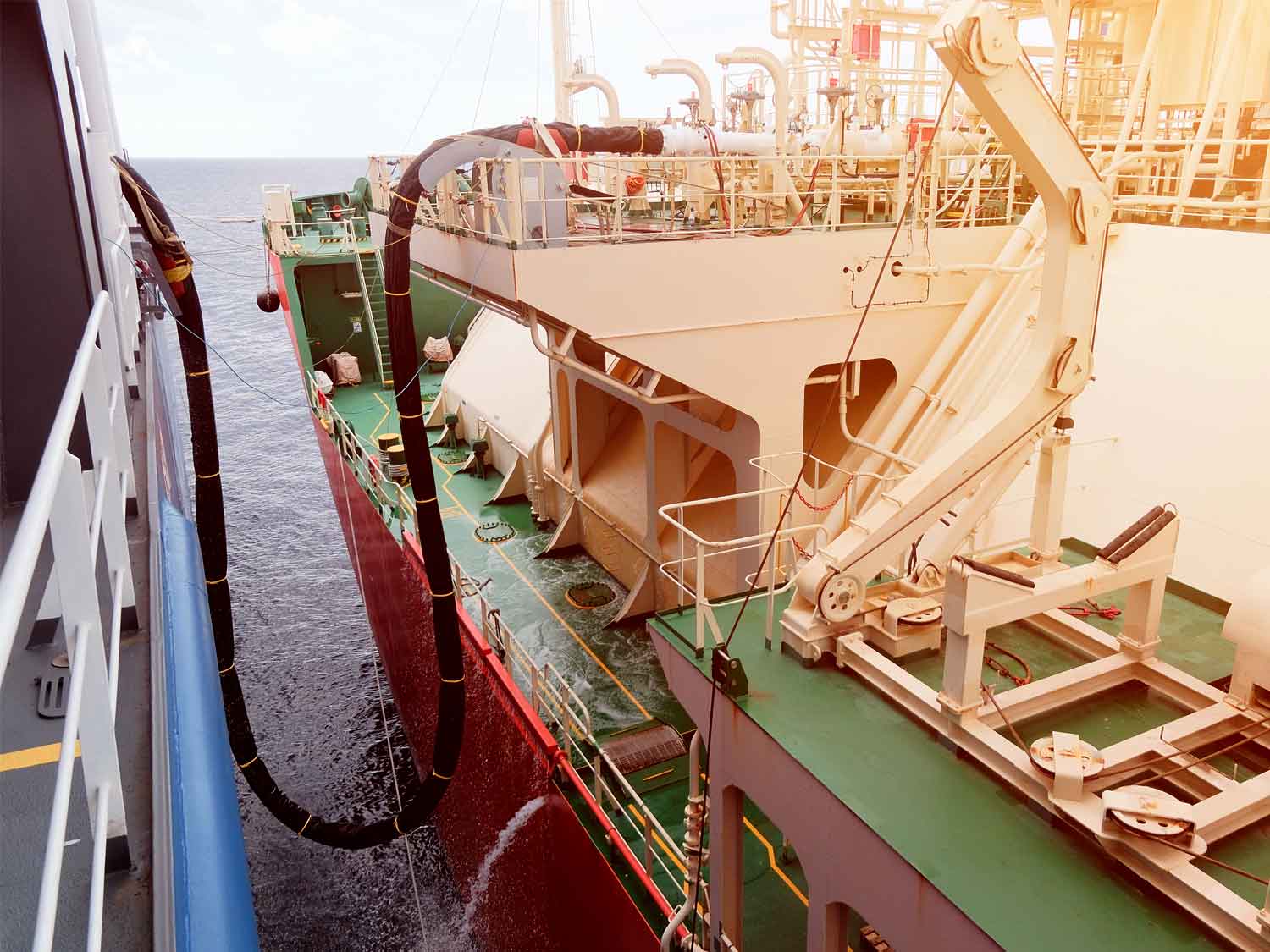
At any given point in time, more than 6,000 vessels carrying containers are sailing the world’s seas and while fires and capsizes make international headlines, container losses overboard rarely do.

The numbers are relatively low. An average of 1,382 containers were lost at sea each year between 2008 and 2019.

From 2008 through 2010, container losses averaged 675 per year, then quadrupled to an average of 2,683 per year from 2011 through 2013.

There has been a downward trend in the most recent three-year period, from 2017 through 2019, when the annual loss fell to 779 containers.

The issue for shippers is that, even with proper packing of cargo, correct container weight declaration, and proper stowage and securing aboard ship, containers continue to be lost at sea, because of severe weather, structural failures or collision. 

Metro recommends All Risk marine insurance to protect you against all loss of cargo which includes piracy and theft. While you may have no control over what happens to your goods when they are in transit, you can protect yourself against a variety of negative events at sea, on the land and in the air

Major ship losses continued to decline last year, but smaller incidents are on the rise, alongside increased safety risks resulting from the coronavirus pandemic.

Asia was worst hit, with 14 large ship losses, which is put down to high levels of trade, busy shipping lanes, older fleets and typhoon exposure, while there were almost 200 reported fires on vessels over the past year, a 13% increase.

A spate of containership fires prompted renewed focus on verified gross mass (VGM) declarations recently, with carriers implementing new and higher surcharges for misdeclared cargo weights.

The carriers steps to increase fines may help, but if this persists, it could result in mandatory manual inspections or similar moves to protect against these types of issues, which could lead to unwelcome additional costs.

And concerns are growing about the potential safety risks from the crew change crisis, following the global coronavirus pandemic, as the impact on the welfare of sailors could lead to an increase in human error onboard vessels.

For further information on your marine insurance cover, to ensure that you have full liability, please contact your usual account manager.

Metro, and our partner carriers, have a limited liability cover, as per various T&C’s across the supply chain, but these invariably will not cover the value of product.

Let us reassure you with a quick discussion to ensure that you have full cover to minimise transit risk.