Ningbo

Critical Ningbo issues and Southern China port suspension

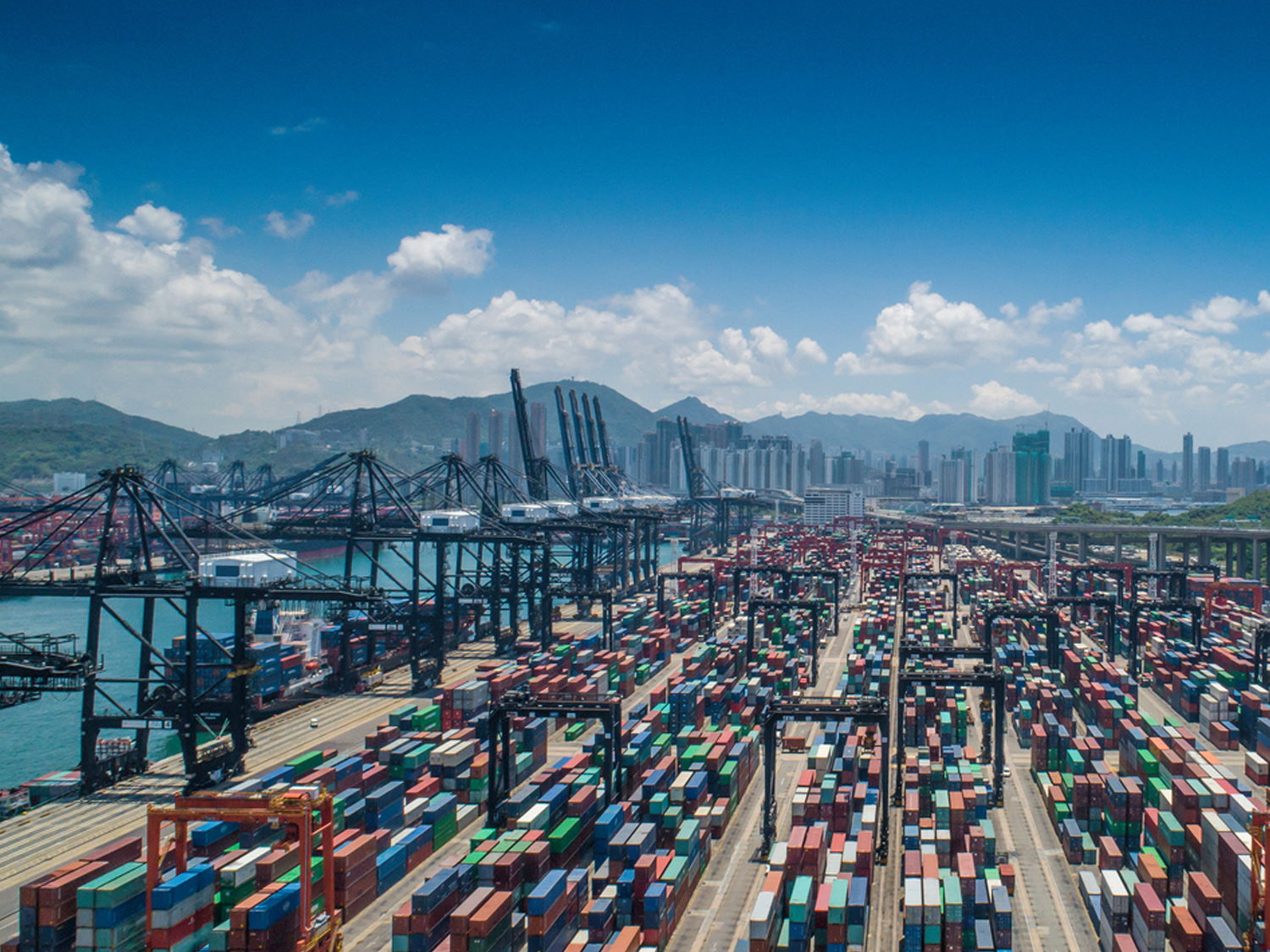
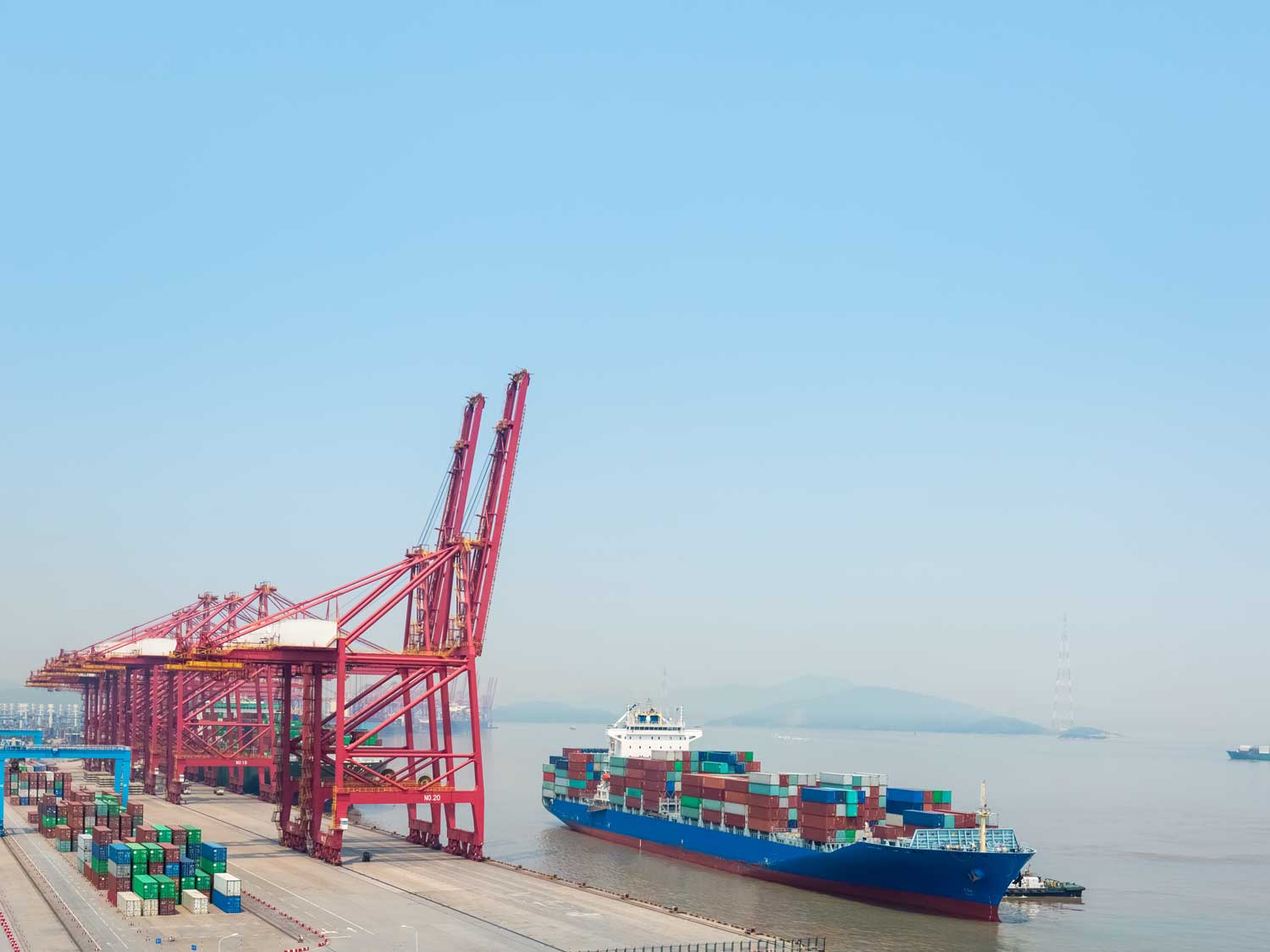
The container shortage that is currently impacting Asia supply chains, has led lines to stop accepting shipment bookings from Ningbo, while the suspension of Southern China feeder operations, because of COVID, will impact key ports until after Chinese New Year 2021.

Due to the severe lack of container equipment in the Ningbo area, shipping lines have stopped accepting bookings, until more empties have been repositioned. 

Liner contacts in the UK and China have both confirmed the situation. It is expected that  this is a port where bookings or rates cannot be provided for the coming weeks and probably into January 2021.

Southern China feeder halt

China’s strict trade rules mean that the global shipping lines must use domestic Chinese operators to feed cargo from Hong Kong and Southern Chinese ports. 

Increasing COVID cases in Hong Kong and quarantine restrictions in China has led feeder operators to reduce numbers of operating vessels and crews. 

In a customer advisory, Orient Overseas Container Line (OOCL) said the COVID outbreak has led to feeder services being suspended in southern China and Hong Kong, from about the 20th January to the 22nd February. 

Ocean Network Express (ONE) has also issued a customer advisory confirming that coastal feeder services running between South China and Hong Kong will be suspended from mid-January to the end of February 2021. 

ONE are temporarily suspending the acceptance of cargo bound for ports in the South China area and Fujian (see list below) through South China main ports with the estimated arrival date to the main ports of 5th January to 23rd February.

Xiamen, Fuzhou, Fuqing, Quanzhou, Hainan, Guangxi and “Pearl River Delta” area including but not limited to Beihai, Chiwan, DachanBay, Fangcheng, Guigang, Haikou, Qinzhou, Shekou, Shenwan, Wuzhou, Xiaolan, Xinhui, Yangpu, Yantian, Zhanjiang, and Zhongshan Port Authority Terminal 

The suspension impacts all types of equipment including including hazardous, reefer, and awkward cargo.

Metro continue to monitor the container market from Asia on a daily basis and we will continually advise on new developments. We will always provide all options of work arounds regardless of the challenges. Please contact Ian Barnes or Grant Liddell for further information and latest advisories. 
trans Pacific

US regulator monitoring Asia shipping alliances

The United States Federal Maritime Commission (FMC), the body responsible for the regulation of ocean carriers and intermediaries, is intensifying its monitoring of shipping alliance activity on the trans-Pacific and trans-Atlantic trades.

Citing market fluctuations, the FMC’s regulators are increasing their monitoring of the three major global shipping alliances, requiring them to provide carrier-specific trans-Pacific and trans-Atlantic data monthly rather than quarterly. 

The alliances are:

2M (Maersk Line and Mediterrean Shipping Co)

THE Alliance (Ocean Network Express, Hapag-Lloyd, and Yang Ming)

OCEAN Alliance (CMA CGM/APL, Cosco Shipping, and Evergreen Line)

The FMC's monitoring decision comes as global regulators are increasing their scrutiny of container lines, with South Korean authorities warning carriers not to prioritise higher-paying Chinese exports, and Chinese regulators suggesting that carriers inject more capacity and less aggressively raise rates. 

FMC commissioners have been indicating a desire to take a closer look at how their agency monitors blank sailings since the Summer. The FMC informed carriers and vessel-sharing alliances in September that it was closely monitoring blank sailings, utilisation of equipment, and “revenue trends” in the eastbound trans-Pacific.

Shipping alliances share global service coverage and reduce costs for lines and shippers through shared resources like networks, port terminals, and ships along specific routes, utilising the resources of members effectively.

The alliances have brought mega-ship and mega port benefits to global shippers in the form of better use of resources, reduced operational costs, expansion of service coverage, and optimisation, which all contribute to better economies of scale. 

While the alliances are restricted by US regulators to market or sell services jointly, in practice the individual alliances compete with each other, as do the carriers within each alliance.

Together the Alliances’ control 77% of global container capacity and 96% of all East-West trades’ so it is little surprise that they receive the highest scrutiny from global regulators.

Metro negotiate rates and volume agreements with a broad portfolio of carriers, across the three alliances, to offer our shippers the widest range of service offerings, port-pairings and rates.

Our bespoke solutions uniquely reflect our customers requirements and expectations. For further information contact Ian Barnes, who would be delighted to talk to you about your situation. 

eCommerce

Consumer goods boom driving sea freight rates

Reuters report shows how global container shipping rates have surged to record levels due to spikes in restocking demand in the United States and Europe, container scarcity at export hubs, and changes in freight flows because of the coronavirus pandemic.

The Freightos Baltic Global Container Index (FBX), a weighted average of 12 major global container routes, rose to its highest historical level this week and up 30% since July.

The spike is driven by very high demand for container freight since July, driven by post-lockdown restocking, limited air-freight capacity, incremental demand for stay-home goods and PPE (personal protective equipment), and a severe shortage of containers.

The cost to ship a container from China to the U.S. East Coast, a key global retail market, was up 42% since July and a new record, with the West coast rate up nearly 50% over the same period.

The transpacific route from Asia to the U.S. has seen the strongest demand surge, with volumes growing by between 10% to 20% more than last year, but high demand is impacting all trade-lanes currently and that demand is expected to stay firm until the first quarter of 2021.

Aside from the restocking demand, container rates have also climbed on a surge in orders from firms that usually ship goods in the belly of passenger jets but now must use container ships because much of the global air fleet remains grounded, which means that a vast slice of air freight volume remains unavailable.

An uneven worldwide distribution of containers caused by disruptions to logistics channels because of coronavirus lockdowns has also boosted rates.

While sea freight rates are expected to stay high through the end of 2020, the evolving pandemic situation in major economies may abruptly change the trajectory of rates next year.

If the pandemic worsens and leads to stricter lockdowns and deeper recessions, consumers may cut spending as unemployment rises, reducing global container and air freight demand.

Metro are now intensely involved in negotiations with partner shipping lines considering all market conditions, the current situation and carrier bullish approach. We would encourage and recommend that you provide us with your 2021 forecasts now so that we can look to tie down a deal for 2021 that has a fixed validity and allows consistency in pricing and budgetary needs. Please call Ian Barnes and/ or Grant Liddell for latest market details and planning for The New Year.

Coronavirus The China supply chain latest

Asia container shortage intensifies

The lack of container equipment at Asian origins is so severe that carriers are leaving export cargo on the quay, to ship empty containers back from Europe and the United States.

The container shortages are so acute, particularly at the Chinese ports of Qingdao, Xiamen, Ningbo, and Shanghai, that some vessels are leaving Asia without full loads because there is not enough equipment to be found. Imports from China have been exceptionally strong since late June when the economy began to reopen from the first COVID-19 lockdown.

Carriers have been charging surcharges and promoting premium services during the continuing peak season, to guarantee equipment, but the increasing inability of carriers to position equipment negates the purpose of the surcharge.

And while the lack of equipment is a massive issue, it is increasingly challenging to secure space aboard individual vessels.

Metro’s commercial team work closely with our partners at origin to secure bookings, locate equipment and ensure the container is loaded onto the ship on schedule.

We continue to see other shippers shut-out regularly by the carriers which is why, since the start of the peak season spike, we have been urging our customers to give us in advance their forecasts, ideally two or three weeks in advance, so that we can secure their shipment bookings and equipment.

To try and maximise the revenue opportunity from Asia, carriers are doing everything they can to return empty containers in the fastest possible time. Different lines are adopting different methods, including reducing free storage, denying export bookings to quickly turn the empty containers, and repositioning empty containers to Asia from other trade lanes.

Carriers are no longer blanking trans-Pacific sailings to adjust capacity to demand because they need all the space they can get to exploit this extended peak season, but shippers complain that they reduced capacity too much, leading to record-high rates, has prompted the Federal Maritime Commission to monitor blank sailings, utilisation of equipment, and revenue trends.

The FMC’s latest move follows its decision to investigate whether carriers are in violation of its Shipping Act and detention fee investigation, amid reports that some carriers are threatening high charges for failure to return empty containers on time, even in cases where congestion has made it difficult or impossible. 

Our trade association, BIFA said it was joining a call from The International Federation of Freight Forwarders Associations (FIATA) for governments to support the key considerations laid out by the FMC in its Final Rule on Demurrage and Detention, adopted in May following a six-year investigation.

Metro are now intensely involved in negotiations with partner shipping lines considering all market conditions, the current situation and carrier bullish approach. We would encourage and recommend that you provide us with your 2021 forecasts now so that we can look to tie down a deal for 2021 that has a fixed validity and allows consistency in pricing and budgetary needs. Please call Ian Barnes and/ or Grant Liddell for latest market details and planning for The New Year.