London Gateway

England freeport applications submitted – but what is the benefit?

The government has received around 40 bids for freeport status ahead of this month’s deadline, from port groups, airports and the Ford motor company.

While there is some doubt that freeports will create “national hubs for trade” or “turbo-charge” the UK’s economic recovery in the short term, amid fears it might simply shift investment from one location to another, they have sparked the interest of some of the biggest names in the UK ports sector.

Before becoming chancellor, Rishi Sunak presented freeports as one of the benefits of Brexit, allowing goods and components to be brought in tariff-free, only incurring duties at the point of export to Europe, or potentially not at all if re-exported outside of the EU.

Under Mr Sunak’s plans, there will be at least seven freeports in England and one each in Scotland, Northern Ireland and Wales, which Boris Johnson has hailed as a key tool in tackling regional inequality.

The deadline for bids in England has passed, but the process is moving more slowly in Scotland, Wales and Northern Ireland. With the latter two still to open their bidding process.

Trade press reports as many as 40 ports, port clusters and even airports have submitted proposals for England’s freeports, including Heathrow, Dover, Southampton, Felixstowe/Harwich, London Gateway/Tilbury, Hull, Port of Tyne, Teesport, Bristol, Milford Haven and Grangemouth.

At least two further UK airports are participating, East Midlands, and Bournemouth International, who have teamed up with the nearby port of Poole.

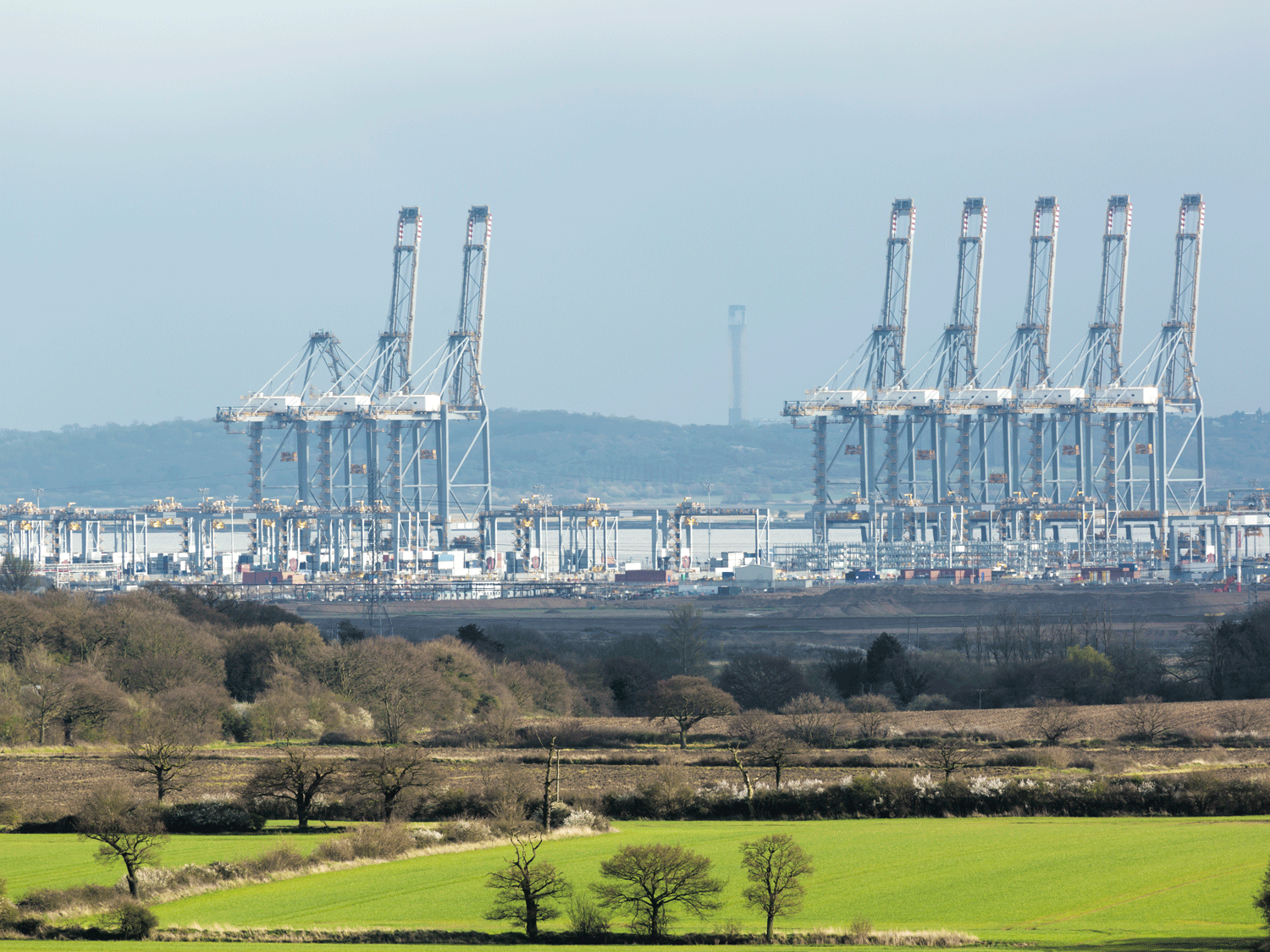
DP World and Forth Ports made a joint bid to bring together London Gateway, the Port of Tilbury and Ford’s Dagenham engine plant in a combined Thames freeport.

Decisions on winning bids are expected to be announced in spring this year.

Benefits of freeports include:

  • favourable customs duties
  • suspension of VAT
  • business rates relief
  • zero national insurance contributions
  • enhanced capital allowances
  • simplified planning and development rules
  • stamp duty reliefs

Metro will monitor the development of the freeport concepts and are particularly interested in the DP World and Forth Ports bids, as we are very large users of both ports, with container traffic transiting London Gateway and raw materials handled at Tilbury Port. 

We have always been involved with ‘portcentric’ operations and have established platforms that operate throughout the UK and with the additional status of a duty and tax free environment for the successful locations, can further build on our tailored and bespoke model that we deliver to our customers.

Exploring cost-effective and value-added operations throughout our global port partnerships is always interesting and some of these partner concepts ticks all the boxes for a potential shift in how trade is conducted and international business operates in the new UK environment. 

For further information please contact Grant Liddell to discuss your logistics aspirations and create a new world supply chain model with the added benefits of the government backed freeport regimes.
Brexit and Customs Where we are

Post-Brexit update ; Trading with the EU – import and export advice

Since the 1st January 2021, all European Union members are now a third country entity, which means the way you ship goods between the EU and UK has changed.

Under the new rules, UK firms doing business with the EU face new processes, paperwork and checks, as we have been advising on a daily basis for the last 12 months to our clients, while implementing compliant measures to ensure our preparedness for the current situation.

Customs declarations, product safety certificates, food inspections and rules of origin are all part of a new trading regime, that has already caused considerable disruption to trade crossing the Channel.

Rules of origin have turned out to be particularly serious and yet they weren’t mentioned much before January, with most attention given to the tariff-free and quota-free aspects of the trade agreement reached with the EU.

With many trade deals involving complex rules of origin requirements, the potential for getting it wrong are significant, as are the sanctions.

EUR1

Usually issued/authenticated by the Chamber of Commerce, the EUR1 is an authenticating Certificate of Origin, that it is used for exporting goods to, or importing goods from the European Union.

In a recent development HMRC has confirmed to the British Chamber of Commerce that UK-EURs can only be raised for goods that are manufactured within the UK and qualify for preferential rates of duty.

Currently, form options state either ‘manufactured by exporter’ or ‘manufactured with the EU’.

In the short term, where goods are not manufactured by the exporter, but are manufactured within the UK, you will need to amend EU to read UK within that statement.

EU exports to the UK

If you import goods from the EU, you may want to review the following guide with your exporter, to ensure they understand and are compliant with the new processes.

To export goods from the European Union to the United Kingdom they will need to have an EORI number, which is a registration and identification number for businesses that want to import goods into or export out of the European Union.

To process an export consignment to the UK your exporter, or their customs agent (which can be Metro) need to submit an export declaration. The Customs Authority then approves the export, generating the Movement Reference Number (MRN), which is the primary reference for the shipment and should be shared with Metro immediately, so we can prepare import declarations and ensure the smooth transit of your goods to your warehouse in a fully compliant manner.

Exporting goods from the EU to a third country like the UK is not subject to VAT, providing the exporter can prove that the goods actually left the European Union.

If your supplier/ vendor arranges the export documentation, their broker will have received a Confirmation of Exit from the Customs Authority once the shipment left the European Union. This confirmation of exit is the proof they need to avoid paying VAT.

Metro are monitoring the cross-channel situation continuously and continue to submit customs transactions through our CuDoS system, which is increasingly optimised as regimes on both side of the Channel become more established.

The situation is changing weekly, if not quicker, and we are very close to these developments and will continue to share them with you and also the solutions we have implemented to ensure delays are avoided or reduced.

Please contact Andrew White, leading our customs and brokerage business unit, for further information and assistance.

RoRo

Metro switch to new EU freight operations

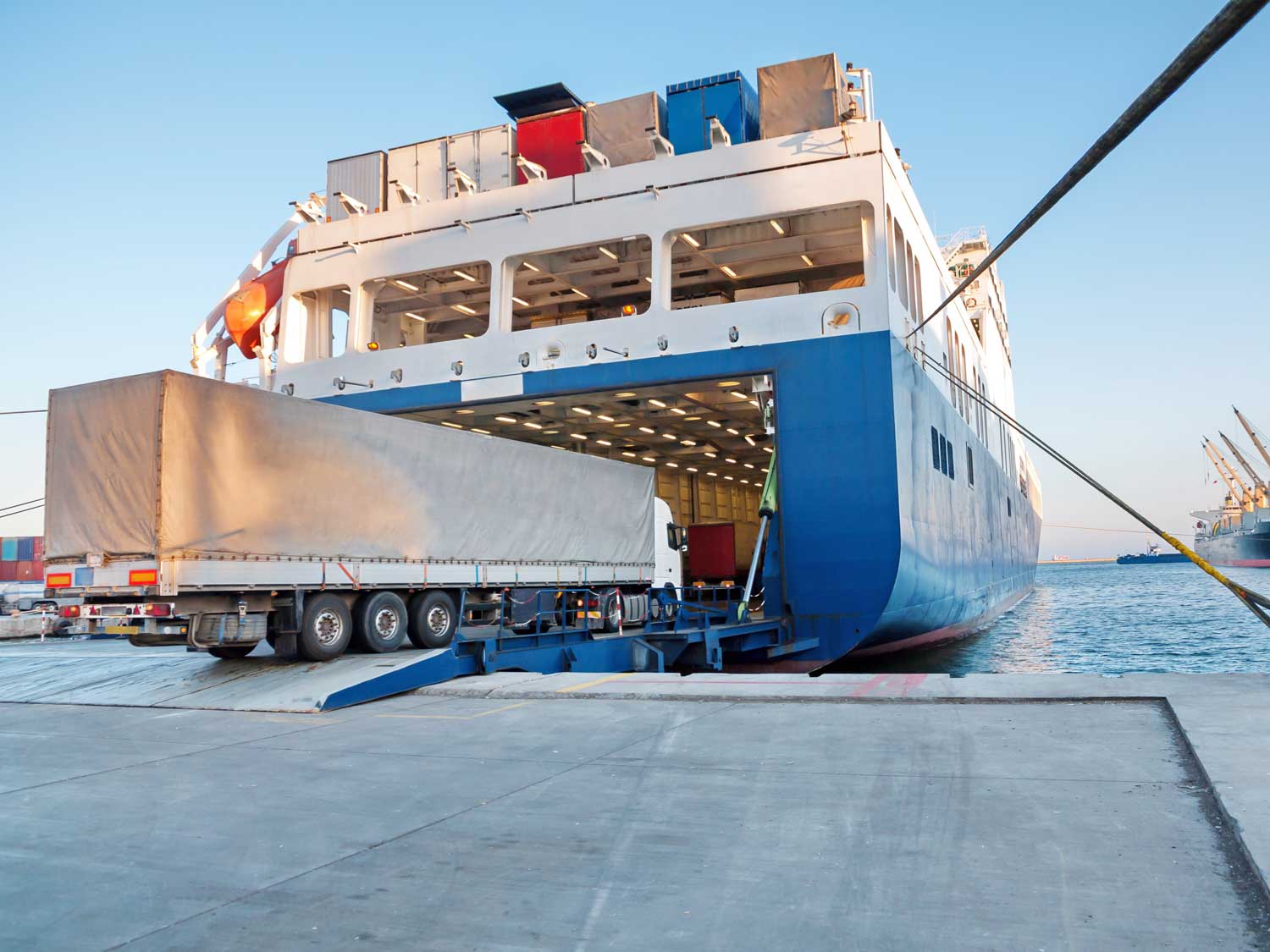
Expectation of congestion at the UK’s primary Channel ports and the reluctance of foreign drivers to come to the UK, if their return journey was uncertain, prompted our preparation of alternative new RoRo and short-sea solutions.

Before the UK joined the European Union less than half our continental imports moved through Dover, with the bulk of inbound and outbound European cargo moving through regional ports, with a significant proportion of unaccompanied traffic.

In preparing our post-Brexit transition operational plans and in particular, the fear of potential congestion at Dover, with the risk of a shortage of truck drivers, we re-assessed transport models including route to market and gateway ports, to identify different shipping methods, modes and routes, in order to preserve our customers’ supply chains.

Short sea container shipping is a smart, efficient and cost efficient alternative to standard overland services, with literally hundreds of port pair, service and rate options.

Many of our biggest volume shippers and manufacturers are advocates of short sea services, because they like the additional opportunities it provides over traditional road transport, such as access to the rail network and even inland waterways. In addition you have flexibility to schedule the final mile delivery into your warehouse when you have a requirement and do not have to take a ‘live load’ from a trailer arriving on site that has transited from Europe, or been arranged to collect export movements.

Brexit and COVID have had a profound impact on long-distance road routes that can, in many cases transfer to new longer-distance sea routes, which combine with short collection and delivery legs, often shipping as unaccompanied.

With 40 commercial ports in the UK and hundreds across continental Europe, offering a blend of feeder, short sea, RoRo and unaccompanied services, there are myriad options to suit every supply chain requirement. These continue to expand with, as an example Felixstowe port, which has traditionally been a container gateway, now operating scheduled services.

Since the 1st January we have moved over 200 vehicles on unaccompanied RoRo vessels, instead of road freight, favouring quieter regional ports, including Bristol, Southampton and Tilbury to/from Zeebrugge, Antwerp and LeHavre.

Further, delays at the border due to additional border and customs formalities, including COVID testing of drivers, will start to have a long term effect on the operating costs of  driver accompanied operators. We are already seeing a reluctance of drivers to come to the UK start to impact rates.

We would encourage European shippers with regular volumes to consider alternatives to driver-accompanied services and benefit from the cost, reliability and regularity they offer.

Please contact your Metro account manager for further details and to discuss your current and future logistics platform with the EU – there are increasing options available that should be considered !

Beware Brexit complacency

EU border disruption impacting trailer availability

Problems finding import trailers from the EU is being blamed on the slowdown in exports from the UK, which are currently 30% below normal levels, but with continuing delays at the border, the more likely issue is it is less financially or operationally attractive for European hauliers to send their lorries to the UK.

Most of the lorries that carry cargo into the UK are European based and not British owned operators and the combination of border delays and lack of export demand, mean that almost half are returning to the continent empty, at a cost to their haulage businesses. 

This in itself is creating even less incentive for hauliers to operate vehicles to the UK which is resulting in transport costs being forced, up through supply and demand and ultimately increasing the cost of shipping to and from Europe and therefore adding further post-Brexit costs to products and consumer items.

The challenges being faced by UK based importers and exporters has been brought into stark focus by a Chartered Institute of Procurement & Supply survey, that found businesses are reporting significant import delays and will run low on stock if the situation continues, with UK consumers likely to face the consequences.

The survey, of UK and EU supply chain managers found that 60% had experienced import delays, with 37% reporting that goods had been delayed by several days.

On the export side 45% had experienced delays, with 28% experiencing delays of several days and just 24% having no problem with exports into the EU.

The Road Haulage Association (RHA) confirmed that there has been a marked reduction in the number of continental hauliers who are ready to send vehicles across the Channel, due to concerns about being stuck at the ports, not having the correct paperwork and testing drivers for COVID. Any delay to a journey adds cost and loses revenue making the UK an unattractive destination for drivers or hauliers.

With freight volumes largely depressed by significant Brexit stockpiling the very real concern is that border delays will increase as restocking demand adds freight volume in the coming weeks. It is widely recognised that year on year volumes are significantly lower in January and February compared to last year with some of our partners advising that they are operating at 50% of the 2020 levels.

These delays may begin to have a significant impact on consumers in the next few weeks, with almost a quarter of businesses (23%) surveyed by CIPS, stating they would run low on stock should the situation at the border continue.

Metro are monitoring the cross-channel situation continuously and continue to submit customs transactions through our CuDoS system, which is increasingly optimised as regimes on both side of the Channel become more established.

Please contact Andrew White, leading our customs and brokerage business unit, for further information.