Ocean freight spot rates are entering a more volatile phase, as Middle East disruption, port congestion and carrier pricing strategies combine to reshape conditions across the main east–west trade lanes.
Recent market data shows a widening gap between how different trades are performing.
On Asia–Europe routes, spot rates have risen sharply in some cases, with week-on-week increases approaching 20%, while other indices suggest more modest movements of only a few percentage points.
This disparity reflects a market where pricing is no longer moving in a single direction. Instead, shippers are seeing a broad range of rates depending on timing, routing and carrier strategy, with some short-term quotes significantly above prevailing averages.
On the transpacific, the picture remains more subdued. While some indices show modest increases of around 3–5%, underlying demand remains relatively soft, which is limiting upward pressure and keeping overall rate levels more stable.
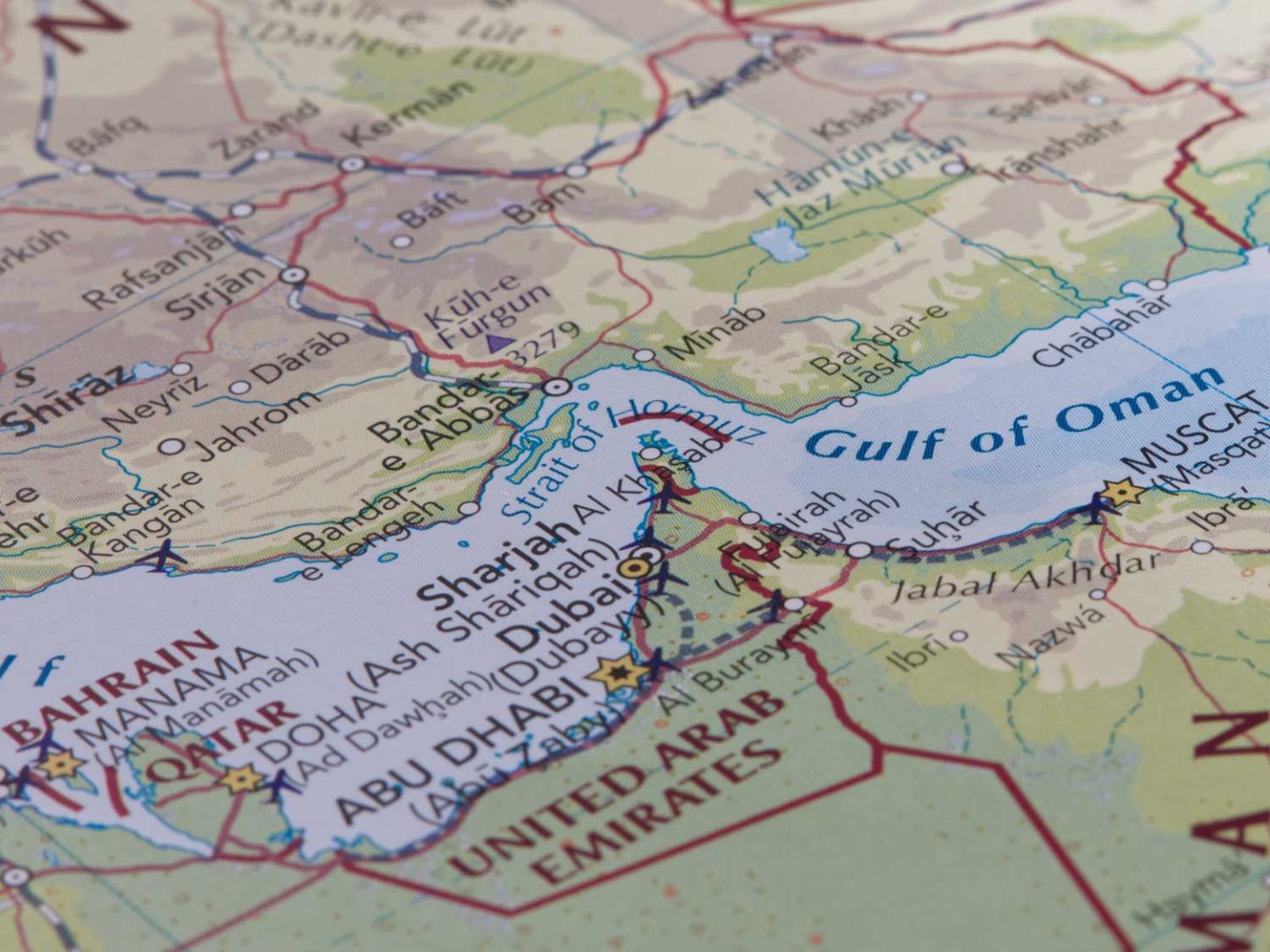
Although the main east–west trades do not directly transit the Middle East Gulf, the impact of the conflict is feeding into global ocean networks.
The continued disruption to Red Sea and Gulf routing is extending voyage distances and increasing vessel utilisation. This reduces effective capacity across the global fleet, helping to support rates despite relatively cautious demand.
Congestion builds across alternative hubs
As vessels divert away from affected areas, pressure is building at alternative ports across Asia and the wider region.
Transhipment hubs are absorbing higher-than-normal volumes, often arriving on disrupted schedules. This is leading to congestion, longer waiting times and reduced operational efficiency.
The knock-on effect is being felt across supply chains, with delays extending beyond the immediate region and into connecting services on Asia–Europe and intra-Asia routes.
This congestion is also contributing to rate increases, particularly on trades closest to the disruption, where spot pricing has risen by double-digit percentages since the situation escalated.
Carriers adopt firmer pricing strategies
Alongside operational disruption, carrier behaviour is playing a growing role in shaping the market.
Pricing strategies have become more assertive, with carriers introducing higher FAK levels, applying emergency surcharges and taking a firmer approach to contract negotiations. In some cases, new rate levels have been set significantly above recent spot benchmarks, even as softening continues to appear in parts of the market.
Fuel-related and war risk surcharges are also being layered onto base rates, reflecting higher operating costs and increased insurance premiums. This is creating a more complex pricing structure, where total landed costs are less predictable and subject to change at short notice.
Regulatory attention is also increasing, with the FMC in the United States and authorities in China and India signalling the need for greater transparency around pricing and surcharge application.
Short-term support, longer-term uncertainty
In the near term, these combined factors are helping to support ocean freight rates and prevent the sharp declines that might otherwise follow the post-Chinese New Year period.
However, the outlook remains uncertain. Much will depend on how demand develops in the coming weeks and how carriers manage capacity through blank sailings and network adjustments.
If disruption persists, longer sailing distances and ongoing congestion are likely to continue absorbing capacity. At the same time, any sustained weakness in demand could limit how far rates can rise.
For shippers, this creates a market that is not only volatile, but also increasingly difficult to interpret without close visibility of both operational conditions and carrier behaviour.
With rates moving in different directions and pricing structures becoming more complex, clarity is becoming just as important as cost.
Metro works closely with customers to break down market movements, challenge assumptions and identify the most effective routing and pricing strategies across global ocean networks.
If you would like a clearer view of where rates are heading and how to position your supply chain - EMAIL Andrew Smith, Managing Director at Metro, for a detailed, shipment-specific discussion.