Hopes of a return to Red Sea and Suez Canal transits are fading again as renewed security threats from the potential resumption of Houthi attacks inject fresh uncertainty into global container shipping.
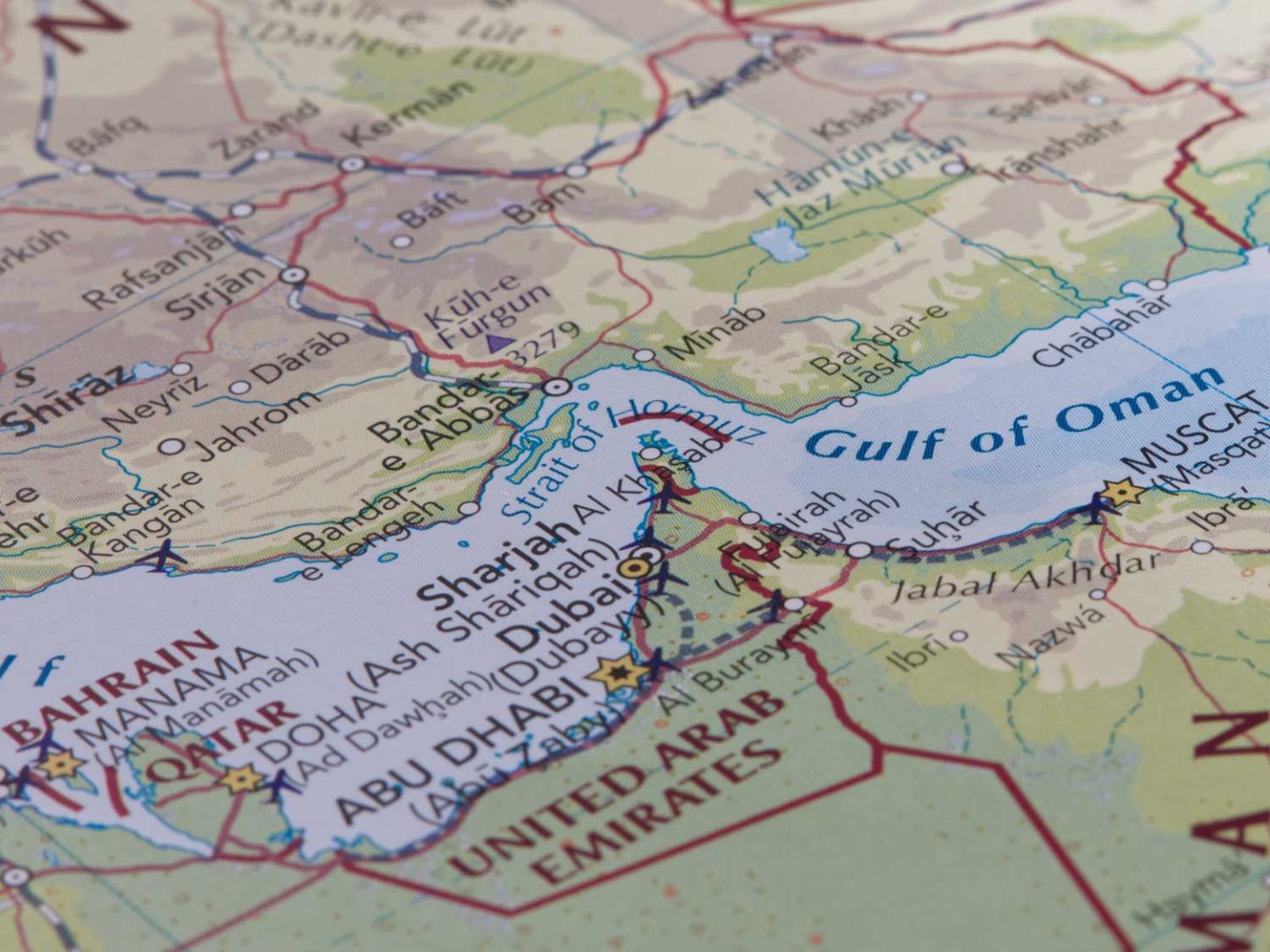
While some carriers had begun cautiously testing the shorter route between Asia, Europe and the US East Coast, renewed threats from Yemen’s Iran-aligned Houthi group on 26 January — alongside the movement of a US aircraft carrier into the region — have raised tensions again, suggesting that any widespread reinstatement is likely to remain on hold.
Most commercial shipping diverted away from the Red Sea more than two years ago after attacks on merchant vessels made the route untenable. A ceasefire in Gaza late last year temporarily eased tensions, prompting limited transits through the Suez Canal and renewed discussion around normalising networks.
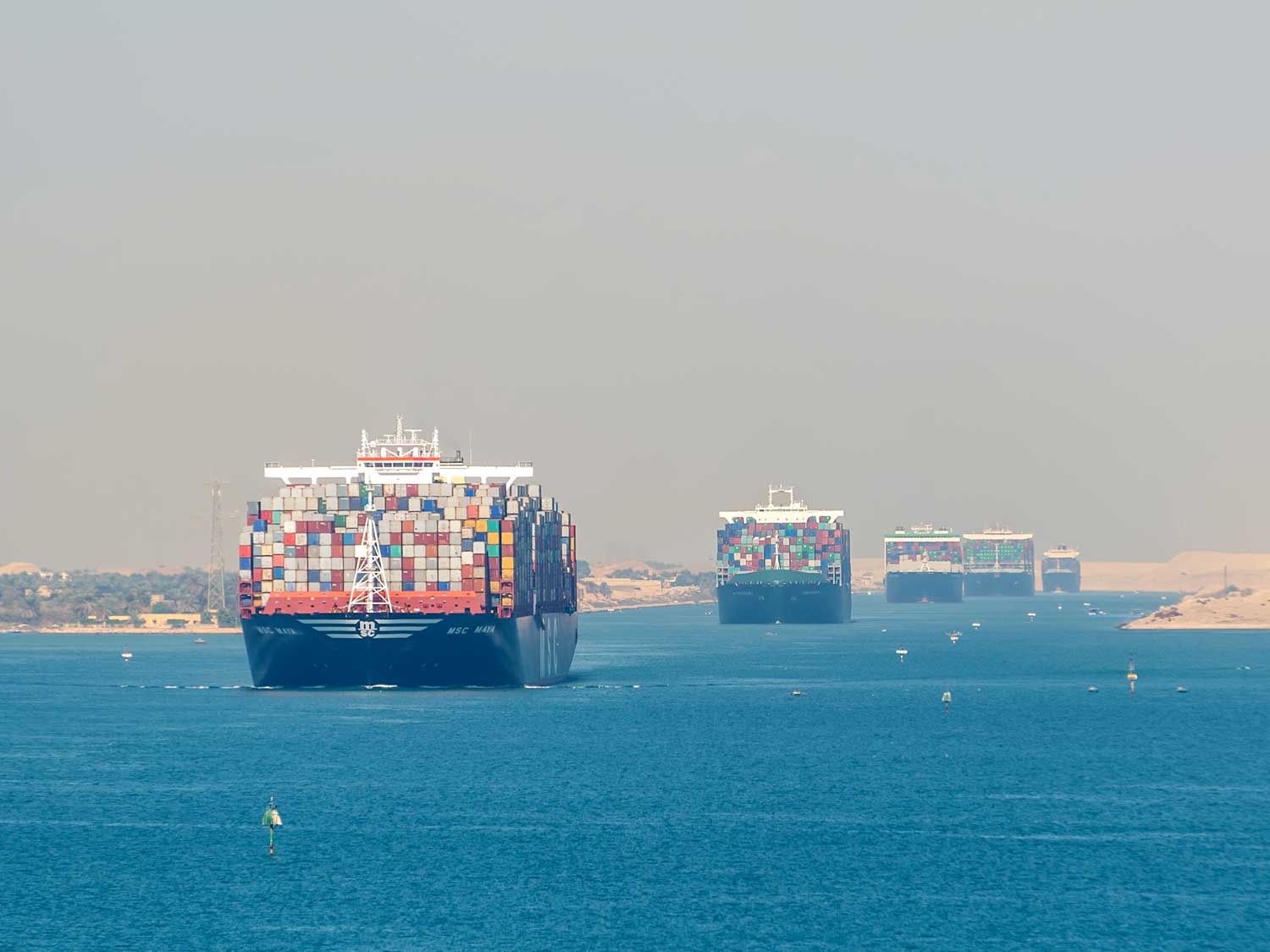
Several container lines had started to experiment with Red Sea transits, viewing the route as a way to reduce sailing times, fuel costs and schedule complexity. CMA CGM and Maersk both completed recent canal passages, signalling tentative confidence that conditions were improving.
That confidence has since weakened and escalating tensions have reintroduced risk at a time when carriers remain highly sensitive to crew safety, insurance exposure and service disruption. As a result, carriers will continue to favour longer routings around the Cape of Good Hope, prioritising predictability over speed.
Capacity management shapes carrier behaviour
The prolonged diversion around southern Africa has absorbed a meaningful share of global container capacity, helping carriers manage oversupply and support freight rates.
It is now looking extremely unlikely that we will see any sudden, full-scale return to the Suez. Instead, carriers will adopt a phased approach, selectively reinstating services while retaining contingency plans. This gradual reintroduction will allow their networks to stabilise while minimising rate volatility or widespread congestion across ports and inland infrastructure.
The Asia–Europe trade stands to feel the greatest impact from any shift. Before the Red Sea crisis, close to a third of global container volumes passed through the Suez Canal, compared with a smaller share of US-bound cargo. As a result, European importers and exporters remain most exposed to changes in routing strategy.
Market uncertainty around Red Sea access continues to influence pricing behaviour. Spot rates have already fluctuated ahead of the Lunar New Year slowdown, with carriers competing to secure volumes. While extended diversions can support rates by tightening effective capacity, that support may be critical if demand weakens seasonally.
For now, the Red Sea remains a route under review and contingency planning remains central to carrier network design. Until the security environment stabilises decisively, most operators are expected to maintain flexible routing strategies, balancing risk, cost and capacity discipline until H2.
With ongoing uncertainty in the Red Sea, shippers need flexible routing options, up-to-date market insight and a logistics partner that can adapt quickly as conditions change.
Metro works closely with customers to assess risk, plan alternative routings and maintain supply-chain continuity, whether services transit the Suez or divert via the Cape of Good Hope.
EMAIL Managing Director, Andrew Smith, today to review your current routing strategy and ensure your supply chain remains resilient in a volatile operating environment.