European roadmap to recovery

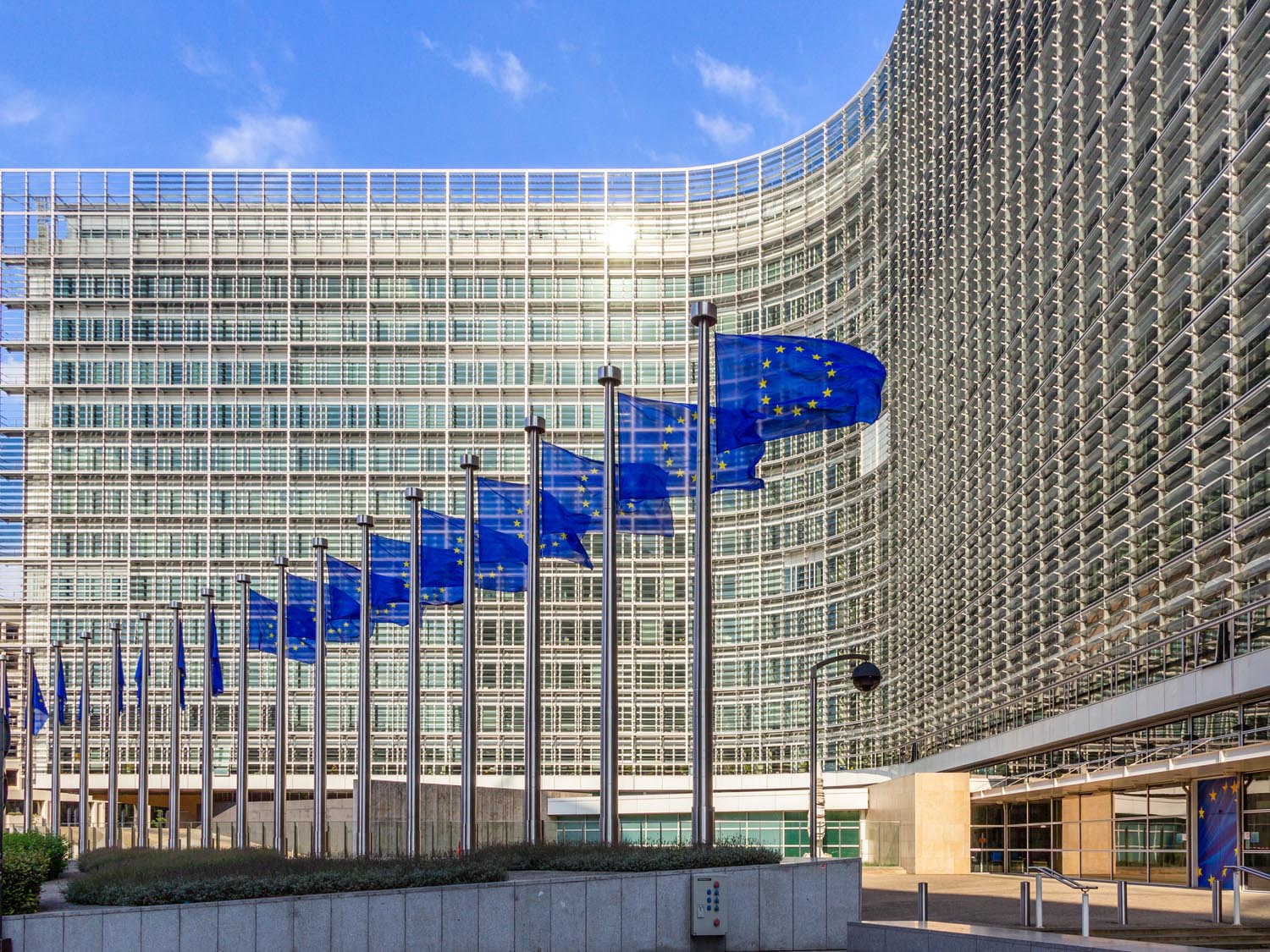
EU’s carbon border initiative threatens 40% tariffs

The introduction of the EU carbon border adjustment mechanism (CBAM) places reporting responsibilities on companies trading with the bloc in carbon-intensive products from the 1st October 2023 and businesses will have to buy certificates to cover emissions embedded in products from 2026.

With CBAM tariffs likely to account for over 17% of the landed cost of applicable steel imports in 2030, rising to over 40% by 2034, CBAM will have a profound impact on the cost UK manufacturers pay for components sourced via the EU.

The paperwork and costs associated with the carbon tax will land on UK companies who supply to EU businesses, and could potentially be passed onto UK manufacturers sourcing components from the EU.

The British government is consulting industry over introducing a UK version of the EU’s carbon border tax, but with divergence between the two schemes, domestic businesses will need to demonstrate compliance with the EU’s rules.

Legislation going through the EU threatens more divergence, with the upcoming carbon border tax, plastic packaging rules and draft supply chain due diligence laws being discussed by member states.

From October this year EU companies will have to compile reports on the carbon emissions attached to some imported goods, including steel, aluminium and fertilisers and from 2026, there will be cost pressures factored into where suppliers are chosen.

One of the biggest challenges for UK businesses is the widely differing approaches of 27 individual EU member states to implementing regulations like the bloc’s requirement to recycle plastic packaging. 

When the UK was an EU member, companies were presumed to have complied for the entire single market, but now some countries apply rules more strictly than others, insisting that UK companies provide proof that plastic components of manufactured goods comply with regulations.

Trade associations and the British Chambers of Commerce say that now the UK is no longer automatically transposing EU law and the government needs to do more to assess the impact of future EU regulations, as well as using the Trade and Cooperation Agreement to work better with Brussels.

It remains to be seen what direct impact the carbon border initiative may have on our customers’ EU exports and imports. 

We will monitor the evolving situation to keep you informed and see where we might mitigate impact and in particular with the EU's reporting requirements.

Our MVT Eco module is already prepared for Scope 3 reporting of emissions that are not produced by your company and are not the result of activities from assets owned or controlled by you.

To request a demo or learn more, please EMAIL Ian Powell.

Dover blur

Food border checks delayed for 5th time

The UK was set to roll out new health certification requirements for medium and high-risk goods originating in the EU, such as meat and dairy, from October, but there is now official confirmation from No 10 that last week’s Financial Times report was correct and the government is postponing border controls until January 2024.

Plans to roll out controls on all goods entering Britain post-Brexit were initially meant to begin at the start of 2021, around the same time the EU introduced strict requirements on all UK food exports.

However, import controls have since been delayed four times over the past two years, with the October 2023 deadline’s move to January the fifth to be delayed. 

"Having listened to the views of industry, the government has agreed to a delay of three months for the introduction of remaining sanitary and phytosanitary controls" it said in a statement.

New physical checks on imports, due to come into effect in January, will now start in April.

According to a survey of EU suppliers by the Cold Chain Federation (CCF), the delay could avoid disruption during the Christmas trading window, with 39% of European food producing businesses supplying goods to the UK unaware of the new rules.

However, the National Farmers Union has campaigned vociferously against further postponement to checks, arguing that it is unfair to British producers, as it continues to give EU farmers a competitive advantage, while UK exporters have had to endure checks on food exports to the bloc for the past two years.

Under the new post-Brexit import rules, due to come into force from 31st October and now pushed back a further three months, export health certificates signed by a qualified certifying officer would become mandatory for every consignment of ‘medium risk’ meat, dairy and fish products exported from the EU to the UK.

The CCF had written to ministers, sharing their survey’s findings, requesting that the October implementation be moved back to the 31st January 2024, because they believe that the government needs to deliver a much wider and better resourced communications campaign, to increase awareness among EU businesses.

The CCF said that with so much stress, cost inflation and other pressures in the food supply chain this year, moving the start date to January 2024 could make a big difference.

Their survey also found that 78% of EU businesses believed costs will increase to their UK customers as a result of the new rules, and while 60% said they planned to continue servicing UK customers at the same frequency after the new rules implementation, 10% had planned to reduce the frequency and 7% planned to stop altogether.

With the current regulations for imports of foodstuffs remaining unchanged, there is a further three months to prepare your suppliers for the changeover and keep your supply chains running freely. 

We can guide you on the new import procedures and help you to educate your suppliers, with full support for all your import and export documentary needs.

Metro are at the forefront of customs brokerage solutions for the food and drink industry, with our automated CuDoS declaration platform and dedicated team of customs experts, reacting swiftly to any changes in the UK’s trading regimes.

To learn how we can simplify and automate customs declarations for your businesses, please EMAIL Andy Fitchett, Brokerage Manager, to review the options.

Dover truck arrival

Post-Brexit food checks deferred for 5th time

The Financial Times has reported that Brexit checks on food and food products coming to the UK from the EU, that were due to start at the end of October have been delayed by the government for the fifth time, due to fears over inflation.

The decision to suspend plans to enforce the controls, which have been applied in the other direction to British exports to the EU since January 2021, is due to inflation fears and will be announced imminently, according to the Financial Times.

Press reports said it was a “Treasury purge” of all changes that would cause disruption to the supply chain, given the sensitivity of the food market to price increases in the current economic climate.

Under the proposed controls that were due to be introduced in October, EU exporters of food products to the UK would have required “export health certificates” costing several hundred euros each and requiring a physical sign-off by a veterinary surgeon.

The food industry warned last June that plans to charge a flat-rate inspection fee of up to £43 on each consignment of food coming from the EU would drive up food prices, with the government estimating total additional costs of EU controls at £420mn a year.

The government has previously cited the COVID-19 pandemic and the war in Ukraine as reasons for delaying the new checks.

On 5th April, The Border Target Operating Model: Draft for Feedback was published by the Cabinet Office, it gave a clear time line for import controls on EU originating food products.

31st October 2023 - Export health certificates and phytosanitary certificates are introduced for medium risk animal products and plant and plant products imported to GB from the EU.

31st December 2023 - permanent waivers introduced from the requirement to submit Safety and Security declarations on certain categories of low-risk movements - fish which have been caught in UK territorial seas and landed outside of the UK.

1st January 2024 - Documentary checks and physical and identity checks at the border to be introduced for medium risk animal products, plant and plant products imported from the EU. Controls will also be applied to RoW low risk products, and pre notification no longer required for low risk plants/plant products.

31st October 2024 - Safety and Security declarations are required for EU imports. Alongside this, use of the UK Single Trade Window will remove duplication across pre-arrival datasets where possible.

A new timetable has not yet been signed off by ministers, but the start of the new regime is expected to slip into next year. It was originally supposed to have started in July 2021.

The current regulations for movements of foodstuffs remain unchanged, Metro as ever will be here to offer full support for all your import and export documentary needs.

Metro are at the forefront of customs brokerage solutions for the food and drink industry, with our automated CuDoS declaration platform and dedicated team of customs experts, reacting swiftly to any changes in the UK’s trading regimes.

To learn how we can simplify and automate customs declarations for your businesses, please EMAIL Andy Fitchett, Brokerage Manager, to review the options.

emissions ship

EU Emission target will cost shipping $Billions

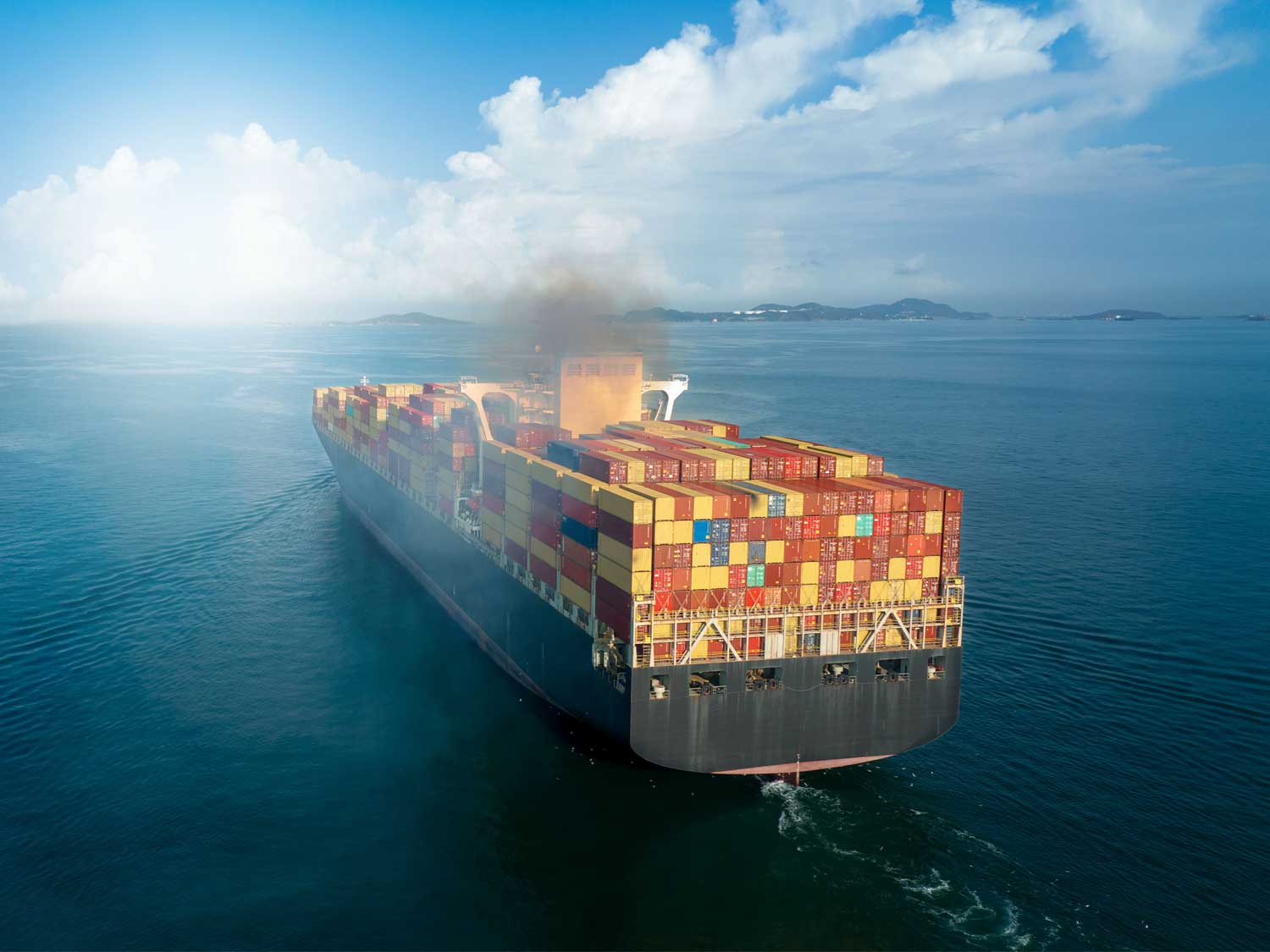
With a goal of net zero emissions by the year 2050, the European Union is expanding its Emissions Trading System (ETS) to the shipping sector in 2024, which means container shipping lines will need to purchase emission allowances while investing in alternative fuels, with the increased costs likely to be passed on.

The European Union’s Monitoring, Reporting and Verification (EU MRV) regulation requires all ships exceeding 5,000 GT to collect and report data on CO2 emissions released to and from EU and EEA ports and will serve as the basis for shipping’s inclusion in the EU emissions trading system (ETS) from the 1st January 2024.

ETS is a ‘cap and trade’ scheme where a limit (the cap) is placed on the amount to emit specified pollutants and obliges individual shipping lines to hold an allowance for each tonne of CO2 or other carbon equivalent gases they emit.

The money from the sales of allowances will be used for EU’s green fund.

There will be no set price list for these emission allowances – instead, the price will be defined by supply and demand on the market. 

As the supply side of these emission allowances will gradually be reduced to support the 2050 goal of net zero emissions, emission allowances will be increasingly costly, putting an even higher pressure on shipping lines to accelerate efforts to reduce their environmental footprint.

ETS will include 100% of emissions for voyages within the EU, 50% of the emissions from voyages starting or ending outside of the EU, and all emissions that occur when ships are at berth in EU ports.

The UK has notified that they will eventually introduce a similar system which would have an impact both on UK domestic routes and UK-EU routes.

Total EU ETS-applicable emissions for the maritime industry amounted to 83.4m metric tonnes of CO2 equivalent which, at the current market value of €90 per emissions allowance (EUA), shipping emissions carried a total worth of €7.5bn for the year.

Taking into account the ETS phase-in period covering 40% of emissions in 2024, 70% in 2025 and 100% in 2026, the shipping industry could be liable for €3.1bn in 2024, €5.7bn in 2025 and €8.4bn in 2026. With container shipping potentially accounting for 30% of overall emissions, despite carrying less than 20% of seaborne trade (source: OECD).

There are still many unknowns relating to the EU ETS and what - if any - its cost impact might be. We will follow the developing situation closely, to keep you informed and to mitigate its impact on our customers.

We are also following the carriers adoption of cleaner fuel technology, the economies of scale offered by the largest vessels, the benefits of different routing options and any other initiatives which may offer cost and efficiency savings for our shippers.

Using our latest generation MVT Eco module, we develop low-carbon supply chain solutions, as well as measuring and monitoring the emissions of every shipment, by every mode, with offsetting alternatives, so our customers can work towards carbon neutrality in their global supply chain. 

The Eco module is under continuous development, with regular updates, including distance calculators, which may be adapted to measure liabilities under the new EU ETS regime. When it is rolled out.

To request an MVT Eco demo or to discuss any of the issues raised here, please EMAIL our CCO Andrew Smith.