Dubai

Brexit: Trade agreements update

After 31st December 2020, EU trade agreements will not apply to the UK, which is why trade negotiators are seeking to reproduce the effects of existing EU agreements, to ensure continuity of trading arrangements for UK businesses after the transition period ends.

From 1st January 2021, if no trade agreement exists between the UK and another country, trade with that country will take place under World Trade Organisation (WTO) rules.

The UK currently trades with many countries on WTO terms, including China, India, Brazil and Saudi Arabia on an MFN basis.

Some developing countries are eligible to get trade preferences through the UK Generalised Scheme of Preferences (GSP), which reduce or remove rates of duty (tariffs) on imports from 1st January 2021.

The UK GSP will initially provide trade preferences to the same countries as the EU GSP, across number of frameworks with differing membership criteria and requirements.

The UK will keep the same rules of origin qualifying operations as the EU GSP product-specific rules and importers will have to pay import duty at the full (non-GSP) rate, if checks carried out by HMRC reveal that the goods do not satisfy the GSP rules of origin.

Follow this LINK for Government guidance on trading with developing nations.

While it was an EU member, the UK was automatically part of around 40 trade deals, with more than 70 countries. The UK has so far signed 23 trade agreements, covering 50 countries, to take effect when existing EU trade agreements no longer apply to the UK, from 1st January 2021.

Since leaving the EU the UK has been working not only on a trade agreement with the EU, but also agreements with the United States, Canada, Australia, Japan and New Zealand. 

In October the government signed a new trade agreement with Japan, which means that 99% of UK exports there will be free of tariffs, though there has been controversy about the value of the deal.

The Department for International Trade (DIT) estimated the 2019 EU-Japan trade deal would add £2 billion to the UK’s annual GDP, which is around £1.1 billion higher than the GDP increase estimated as a result of the new deal.

The new deal goes beyond the EU’s in areas such as e-commerce and financial services, but it has some drawbacks, particularly for agricultural products, which could put UK exporters at a disadvantage.

Prime Minister Justin Trudeau says he thinks Canada and the U.K. can conclude a free trade deal before the UK officially exits the European Union, but his trade minister was unable to offer MPs a firm guarantee that they will see a bill to ratify the trade agreement before the Canadian Parliament breaks for Christmas on the 11th December.

Whatever trade deals are agreed before the 31st December, they will not negate the need for customs formalities and processes, relating to the movement of goods between the UK and EU. 

Our Brexit Task Team recommend that you should now have a fully functioning trade compliance process in place. For further information, contact Andrew White or Jade Barrow. 
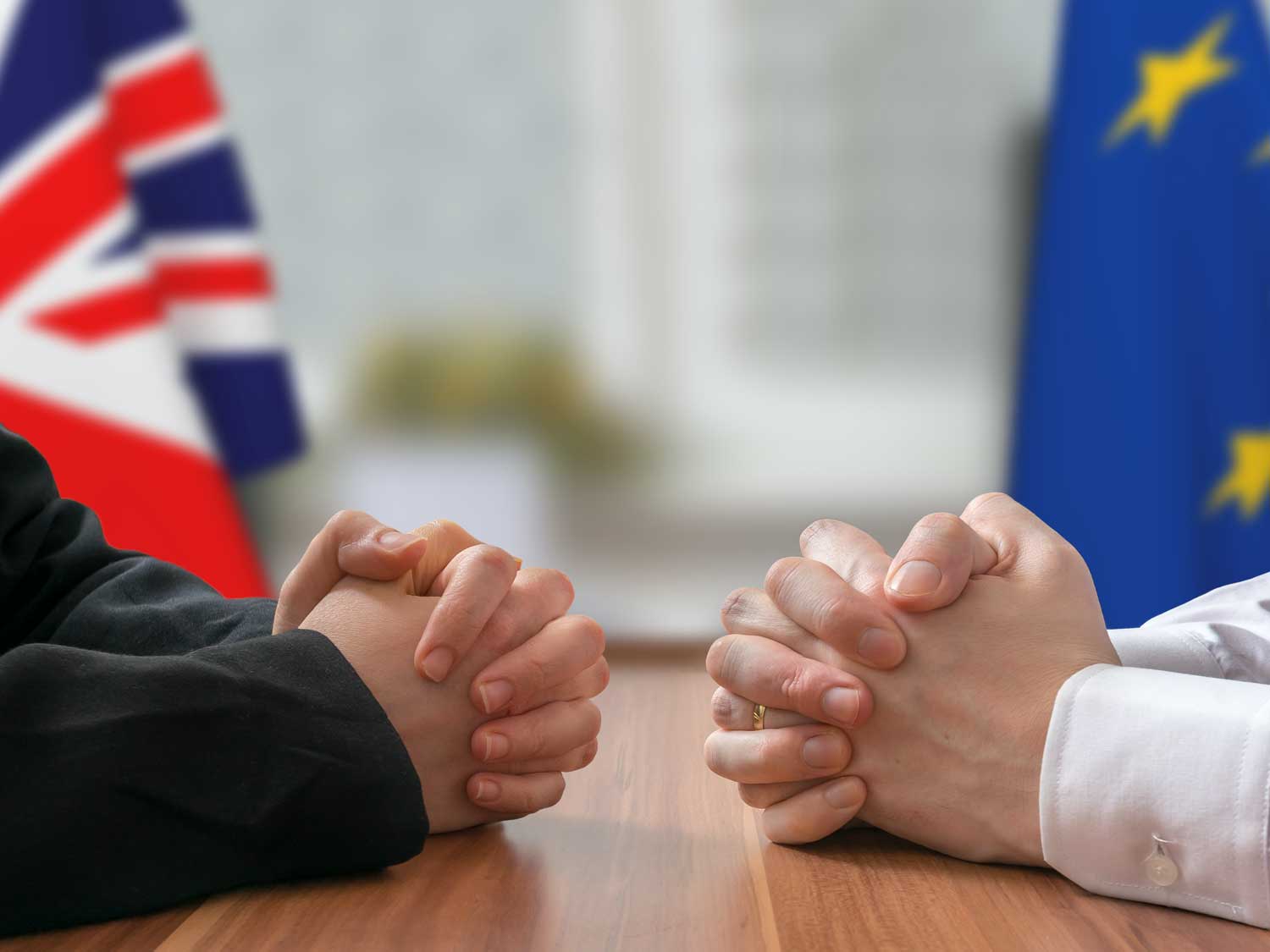
EU UK negotiations

Brexit politics round-up 3rd December

While Joe Biden seemingly closes the door on any trade-deal for the time being, there is hope that EU trade negotiations are making some progress, but time is fast running out.

The UK has been prioritising a US trade deal, which looked promising with the administration of Donald Trump, a fierce opponent of the European Union, but president-elect Biden has said that his priorities will be to improve investment in US manufacturing and the protection of American workers.

“I’m not going to enter any new trade agreement with anybody until we have made major investments here at home and in our workers and in education,” he said.

In what could be a critical development yesterday (Wednesday) Boris Johnson has lowered his Brexit demands on the critical fishing-rights issue, Michel Barnier told the bloc’s capitals ahead of what he said would be a crucial 48 hours.

In briefings to EU ambassadors and MEPs in Brussels, the bloc’s chief negotiator said Downing Street had revised its demand, but it is unclear whether the divide could be bridged in the time remaining.

Common ground on the fishing issue is slowly being found, with the UK offering greater flexibility in recent days over a mechanism to ensure neither side can gain a competitive advantage by deregulating over time, but issues remain around domestic enforcement and dispute resolution.

Meanwhile, the government has denied claims it is seeking to delay implementation of the Northern Ireland protocol in the withdrawal agreement, including the new customs checks on goods entering from Britain, due to the difficulty in preparing for the end of the transition period.

HMRC officials told MPs they “did not recognise” reports overnight about a deal to phase in controls. They did say there would be “light-touch” operation and some “grace” shown to businesses who were not ready.

It has emerged in a Commons committee hearing that British businesses will have to complete 11m customs declarations forms a year to sell their goods in Northern Ireland for the first time.

Customs declarations must be made as part of the Northern Ireland protocol from 1st January but a key software system (the goods vehicle movement service) will not go into “end to end” testing with businesses until 14th December.

We have developed a suite of bespoke and automated solutions to protect our shippers EU trade from the 1st January 2021, including our innovative CuDoS platform, which automates and digitises customs submissions for the swiftest and most accurate declarations. 

For further information contact our post-Brexit Task Team and speak with Andrew White or Jade Barrow.

container lorry queue

The new Border (Brexit) Operating Model

On 13th July 2020, the UK Government released the Border Operating Model (BOM), detailing how the UK will manage customs and border control obligations post-Brexit. On 8th October 2020, the UK Government released a comprehensive BOM update that will be effective from 1st January 2021. 

All businesses moving goods between the EU and Great Britain (and the EU to Northern Ireland via Great Britain) need to engage with the Border Operating Model guidance to understand the impact to their supply chain and Brexit preparations. 

Regardless of the trade-deal negotiations, UK businesses will need to submit import and export declarations for their trade with the EU. The Border Operating Model sets out these changes and the new regulations that businesses must comply with after the end of the transition period.

The staged approach to importing into the UK (three stages of 1st January, 1st April and 1st July 2020) introduced in the Border Operating Model guidance on the 13th July 2020 has been further clarified and it is now clear that the ‘light-touch’ (EIDR) process can only be operated by traders (or their agent) if approved for ‘simplified procedures’ by HMRC. 

There are some simplifications to ‘normal’ import and export procedures such as postponed import VAT accounting and the removal of the requirement for a Customs Comprehensive Guarantee (CCG). This means easier access to customs special procedures such as Inward Processing Relief (used for processing/manufacturing goods in the UK) and Customs Warehousing (used for longer term storage of goods or for call off/consignment stock). 

The updated BOM also contains detailed explanations on moving goods using the Common Transit Convention (Transit), Transit accompanying documents (TAD) and using the new Goods Vehicle Movement Service.

There are a variety of process maps covering the various types of movements and system requirements contained in the BOM, though some are very detailed and may be difficult to interpret.

Our Brexit task force team has prepared its own process maps, which are easier to interpret, to illustrate Brexit customs processes and responsibilities for EU/UK imports and exports.

The six Metro process maps cover four import and two export methods, incorporating participants in the new processes and the point of supply chain intervention.

Metro have  been preparing for the imminent situation for the last two years and we now have a dedicated team of 28 colleagues that are working full time and relentlessly to ensure as seamless as possible transition is achieved for our customers. We will ensure that you keep on trading successfully with the European Union from 1st January 2021. This has taken a huge amount of investment in time, money and sweat, blood and tears!

Please visit our Brexit transition micro website for further details and latest news https://www.metroshipping.co.uk/brexit-ready/. Alternatively please call Jade Barrow who will be pleased to answer any questions or guide you on legislation and our own dynamic solution.

Tariffs

Drive home Brexit deal or risk £55bn manufacturing hit

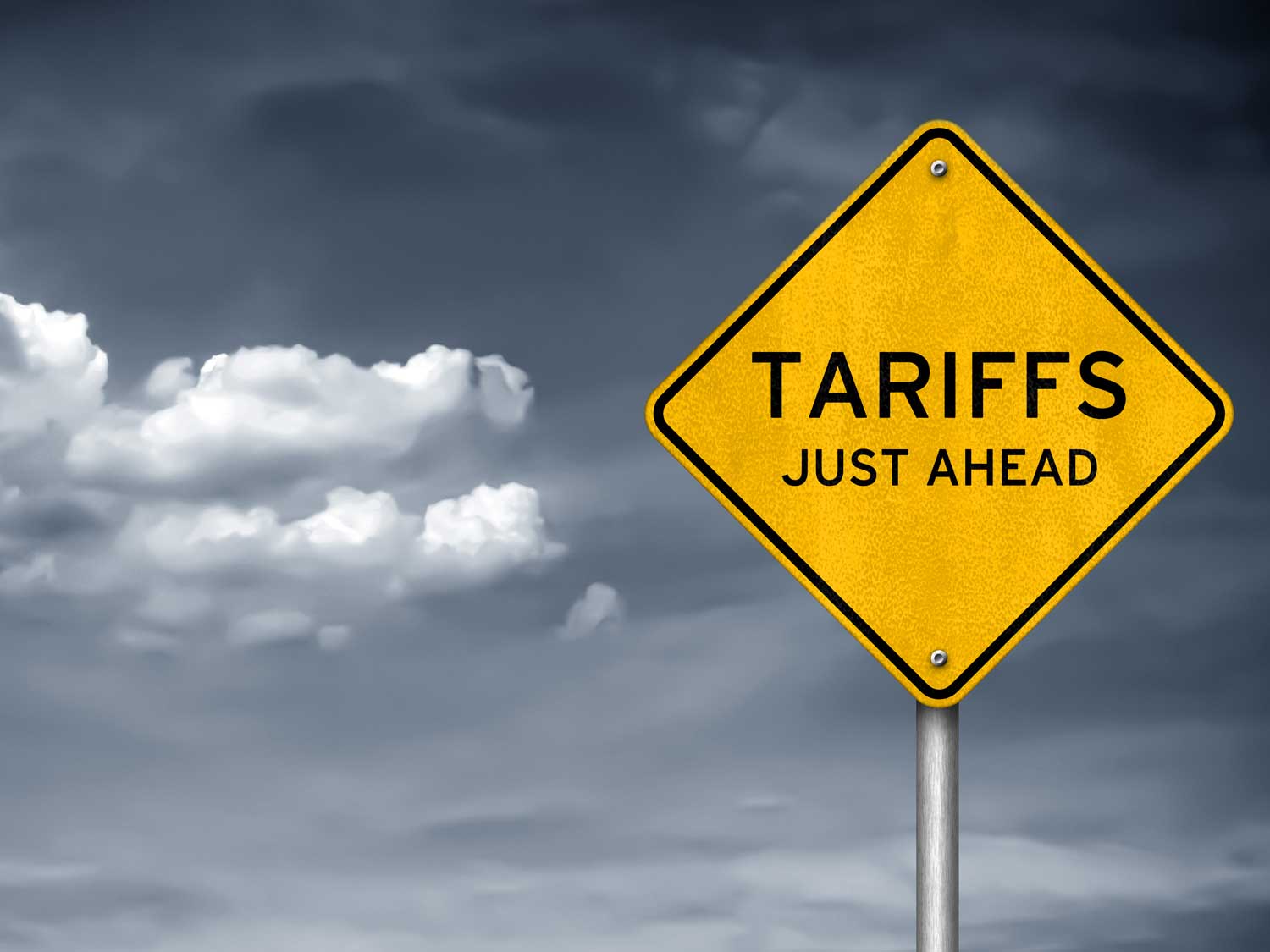
The Society of Motor Manufacturers and Traders (SMTT) is urging the government to get a deal that avoids World Trade Organisation rules (WTO), or risk production losses of £55bn over the next five years.

As Brexit talks enter the final stretch, the SMMT made a last call for negotiators to keep the health of automotive at the heart of discussions and to get a deal in place by Christmas that avoids tariffs, or risk damaging one of Europe’s most valuable manufacturing industries.

The entire European sector, including the UK, has already lost €100 billion to the pandemic and has repeatedly called on EU and UK leaders to ensure the sector will not face further damage from the imposition of tariffs from 1st January 2021, which would deliver another €110 billion blow to manufacturers on both sides of the Channel.

For the UK industry alone, new figures reveal that production losses could cost as much as £55.4 billion over the next five years if the sector was forced to trade on WTO conditions long-term. 

Even with a so-called ‘bare-bones’ trade deal agreed, the cost to industry would be some £14.1 billion, reinforcing how, for the automotive sector, Brexit has always been an exercise in damage limitation. 

With scant time left for businesses to prepare for new trading terms, the sooner a deal is done and detail communicated, the less harmful it will be for the sector and its workers.

The SMMT are seeking a future trading relationship that works for automotive. Having already spent a billion pounds preparing for the unknown of Brexit and lost twenty-eight times that to Covid, they say the industry cannot be left counting the cost of tariffs, especially not by accident.

The automotive industry can deliver the jobs growth needed to help rebuild a devasted economy, but the government must create the environment for this success, which starts with a favourable Brexit deal and a bold strategy to help transform automotive production in the UK, attract new investment, upskill the workforce and build world-leading battery capability to future-proof manufacturing.

The government’s plan for a green industrial revolution is an immense challenge – for automotive and WTO tariffs would add an average £2,000 to the cost of British-built electric cars sold in the EU, making UK plants considerably less competitive and undermining Britain’s attractiveness as a destination for inward investment. 

Metro have been heavily involved in the automotive and construction equipment sectors for the last 40 years. We have partnered with some of the UK and Europe’s largest OEM manufacturers globally in this time and developed and created bespoke solutions delivering reliable and cost effective results. 

We continue to be very close to customers, suppliers and government bodies that are all influencing the ongoing situation. 

For the latest market intel and advice please call Tom Fernihough, our Automotive Director, who will assist with any questions. Hopefully the situation will be resolved and the Doomsday predictions will be avoided.