container

UK port operations and haulage under pressure

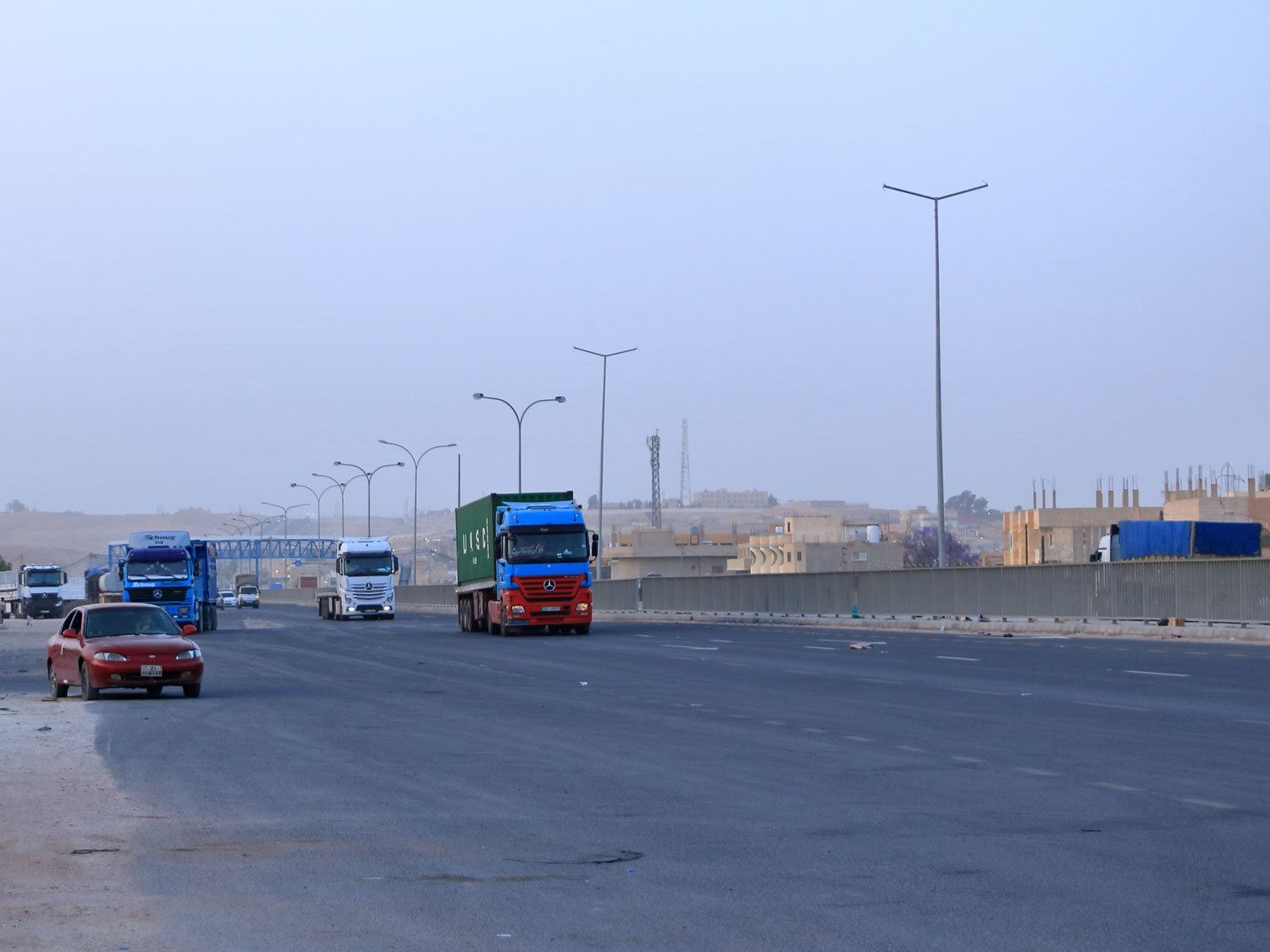
As we begin the economic recovery from COVD-19 lockdown, the shipping lines are increasing vessel calls through service changes, merging services together and varying transit times to maximise utilisation, which is disrupting port and haulage operations. 

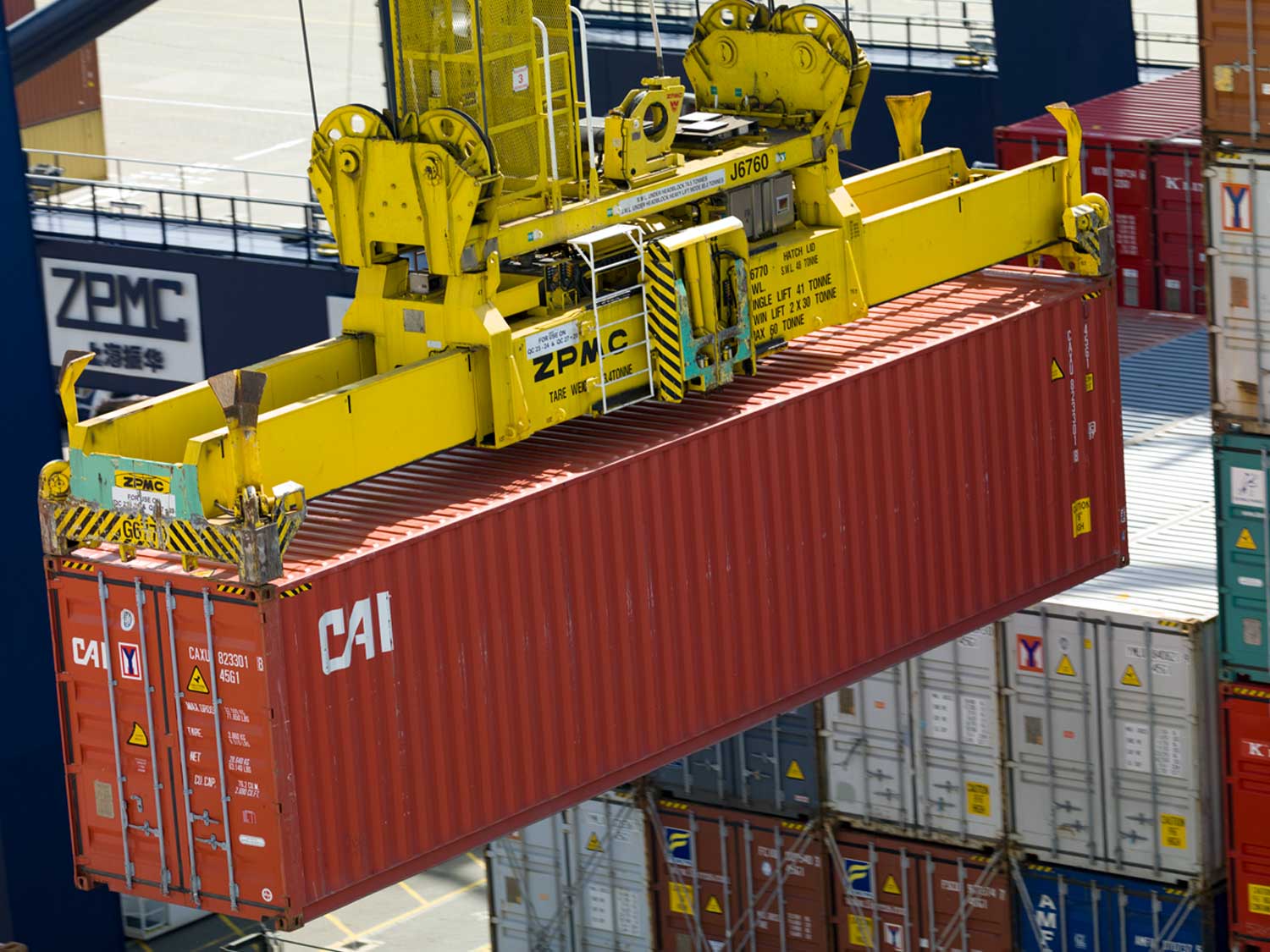
The increased load factors (number of containers) on each arriving vessel is creating spikes in demand, which are increasingly overwhelming the ports’ capability to handle the vessel discharge and container movements to release.

While the inbound volumes are considerable, the primary issue is the reduction in operating capacity, as essential working practices must adhere to social-distancing and “Covid 19” cleansing routines.

Container ports operate 24/7, but at the end of every shift equipment and all common areas must be removed from service for extended periods for a deep-clean, which immediately diminishes the port’s capacity and operational working time. 

A typical example would be between 0500-0700hrs, where no activity occurs. 

If a vehicle is on the quay before the cleaning period, there is no guarantee that it would be handled before.

This has led to greater pressure on the availability of booking slots at peak periods and vehicle delays, which may be longer than the transit time to delivery point. 

This is against the background of a container haulage industry, which has struggled throughout the pandemic, with a number of casualties.

Hauliers are working to redeploy furloughed drivers and review fleet operations, to meet these challenges, but at the same time they have to address the additional costs that the restricted operations at ports and inland DC’s are creating. 

The fluctuating volumes and spikes, combined with a notable reduction in PM work, means that port capability can only be defined cautiously, as we head into Q4 with limited flexibility and much uncertainty.

The restricted operations that the ports are labouring under, are adding to the demands faced by the haulage industry and will quickly exceed capacity resulting in delays, making recovery even more challenging.

Metro continue to work closely with our haulage and intermodal partners, to mitigate any negative impacts on our customers and while we have seen limited effect to date, we will maintain our maximum efforts, to safeguard your supply chain from this deteriorating situation.
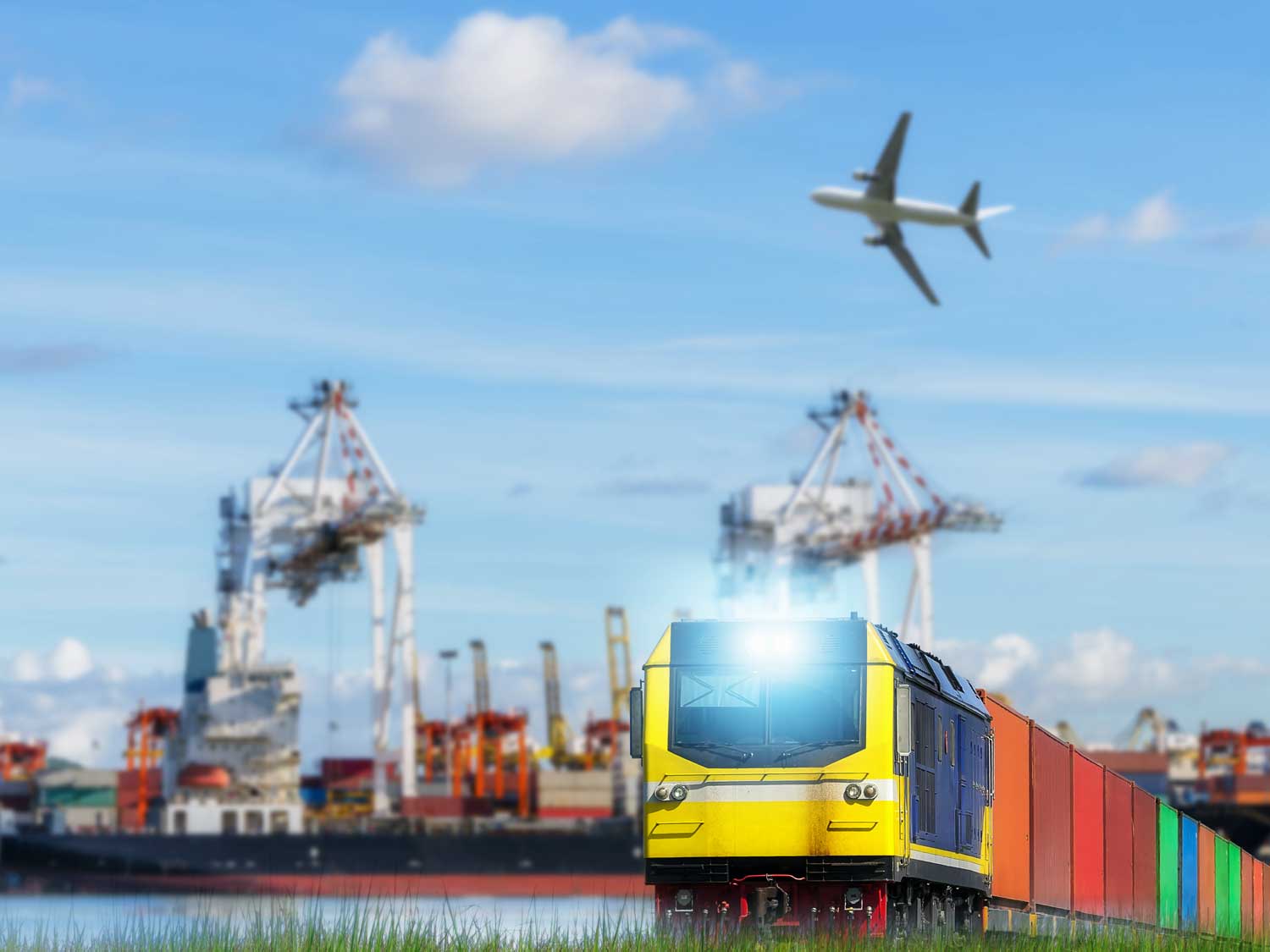

Covid19 impact on logistics and global trade

Covid19 impact on logistics and global trade

In this unprecedented pandemic, trade is essential to save lives and livelihoods, which means supply chains need to operate at some level of normality, to keep that trade flowing.

The OECD Interim Economic Outlook in March forecast global growth halved to 1.5%, but their most recent estimates now suggest an unprecedented collapse in the first half of 2020 – an almost 13% decline in global GDP.

But, as stated by the OECD, keeping trade flowing requires co-operation and trust, that the market will supply essentials, that countries will not impose export restrictions, and that imports do not pose health risks.

This is a particular challenge at a time of trade tensions, where the international trading system was already subject to an increased number of new restrictions, distortions and tariff increases.

Many companies are hugely reliant on production and supplies in China, Southeast Asia and other low-cost regions, and these are being forced to rethink their supply chains and their stability and reliability for an uncertain future.

The overall impact of the outbreak and the resulting emergency measures on international trade remain to be seen, but it is clear that business has suffered operational disruptions, which has included everything from mitigating the effects of reduced supply, to managing disruptions to logistics and meeting their own contractual obligations to customers.

Metro leverage established relationships and volume agreements with all the major shipping alliances and airlines to pro-actively keep our customers global supply chains moving

AIR
Air freight rates from China are firming, ironically as PAX freighter capacity is withdrawn, because current rate levels are not sustainable to make their operation viable.

Demand to Americas and Indian Subcontinent is high, so carriers are feeding into these routes offering higher yields.

General commodities demand is returning to the air freight market, as their backlog stocks run down, but there is still very little PAX travel from China to Europe so no uptick in belly-hold volumes.

SEA
On sea the Asia-Europe trade had seen 18 of 189 scheduled blanked sailings being re-activated and two announced on Asia-Europe routes in the past week. This does not mean that demand has come back to normal — in fact global demand dropped 15.9% in April and 11.4% in May — but rather that the carriers seem satisfied with the level of blanked capacity already announced.

The shipping alliances may face the protest of their capacity management strategies being called into question, as two of the five US Federal Maritime Commissioners say they want to take a closer look at how the agency monitors blank sailings.

RAIL
Double-digit increases have not been uncommon for China-Europe rail services in recent years, but the coronavirus pandemic and subsequent capacity crunch in air and ocean have sent volumes through the roof since March, once China’s lockdown was mostly over. According to China Railway, there were 5,122 China-Europe freight trains in the first half, up 36% year on year. Last month alone there were 1,169 trains, another new record.

Major congestion is taking place on most services at the China-Kazakhstan border which has caused a huge bottleneck, rippling back to impact nearly all services, with delays lasting upto 2-3 weeks.

Metro are constantly reviewing all global trade lanes ensuring we are introducing new services to and from new markets and areas of manufacturing. This will become more prevalent in 2021 post Brexit when new trade agreements wil be forged as Britain becomes independent from the EU.

Competitive advantage in training Part 2

Competitive advantage in training Part 2

Prior to the Coronavirus lockdown, Metro’s learning and development opportunities were expanding and a massive range of activity was in progress. Then bang! The Covid-19 grenade went off and other solutions were needed.

As we went into March the Metro training team had a full calendar of activity for our four key stakeholder groups - the Metro team; Undergraduates; Young people; and customers - with ambitious plans for the rest of 2020.

On 23rd March the UK went into lockdown and while Metro are ‘essential workers’ the majority of our team moved to remote working and training was effectively furloughed, while new working practices were designed.

The technical process for moving to home working was straightforward, but maintaining team relationships and training, to keep colleagues grounded and valued was essential, to ensure that no team member felt isolated.

Those that remained within our UK offices, to cover critical processes and to assist with tasks that could not be performed at home, faced a very different environment and challenge and communication was critical in supporting these colleagues too.

Moving out of the classroom, tools like MS Teams and Zoom maintained workplace training and inductions remotely, with personal updates and socially-distanced classroom sessions to continue bonding and the social exchanges that are an essential part of learning.

Workplace culture and habits have changed since March and people need supporting through change, so helping staff and managers adapt is a priority, albeit in smaller groups in bigger spaces.

We are re-designing all our courses for webinar delivery, including micro and bite-size training, to simplify knowledge acquisition, including particularly relevant topics like Cyber Security in light of the new threats.

Brainstorming new ways to engage with universities and schools, to attract the next generation into freight forwarding is a critical objective, as is restarting learning opportunities with the Partnership Development Programme, BIFA YFN, visits and customer training.

Big challenges remain. Like how do we intensively train 150 colleagues on our new operating system, quickly and effectively and without large group training.

We are having to remotely monitor the ‘on the department’ training of new starters, to ensure that we still give them the support and engagement they need.

Ultimately it all comes back to the more time and resource (physical or remote) we invest in our people, the better their personal toolkit is, and that makes them better able to support our clients.

Tags
BHX 2

Air rates increase as ‘Preighters’ leave the market

Air freight rates from China are rising over the last two weeks, due to falling capacity as passenger-freighters are forced out of the market, due to unviable commercial return.

Yield is just one of the reasons. The PAX carriers are also impacted by weak, if not nonexistent passenger demand, rising PPE requirements and an increase in general cargo in other regions are also influencing the market.

Medium-term expectations predict that demand, particularly in technology and eCommerce, and capacity is rising, also due to strong global PPE demand.

Market indices are notoriously poor at reporting rates accurately, but they do a good job in tracking trends and movements.

The latest figures for last week, show air freight rates from China to the EU up 6.17% and Hong Kong to the EU up 3.29%.

North America to Latin America is one of the few tradelanes to show an improvement in cargo capacity. Transpacific cargo capacity declined (both ways) for the first time since early May.

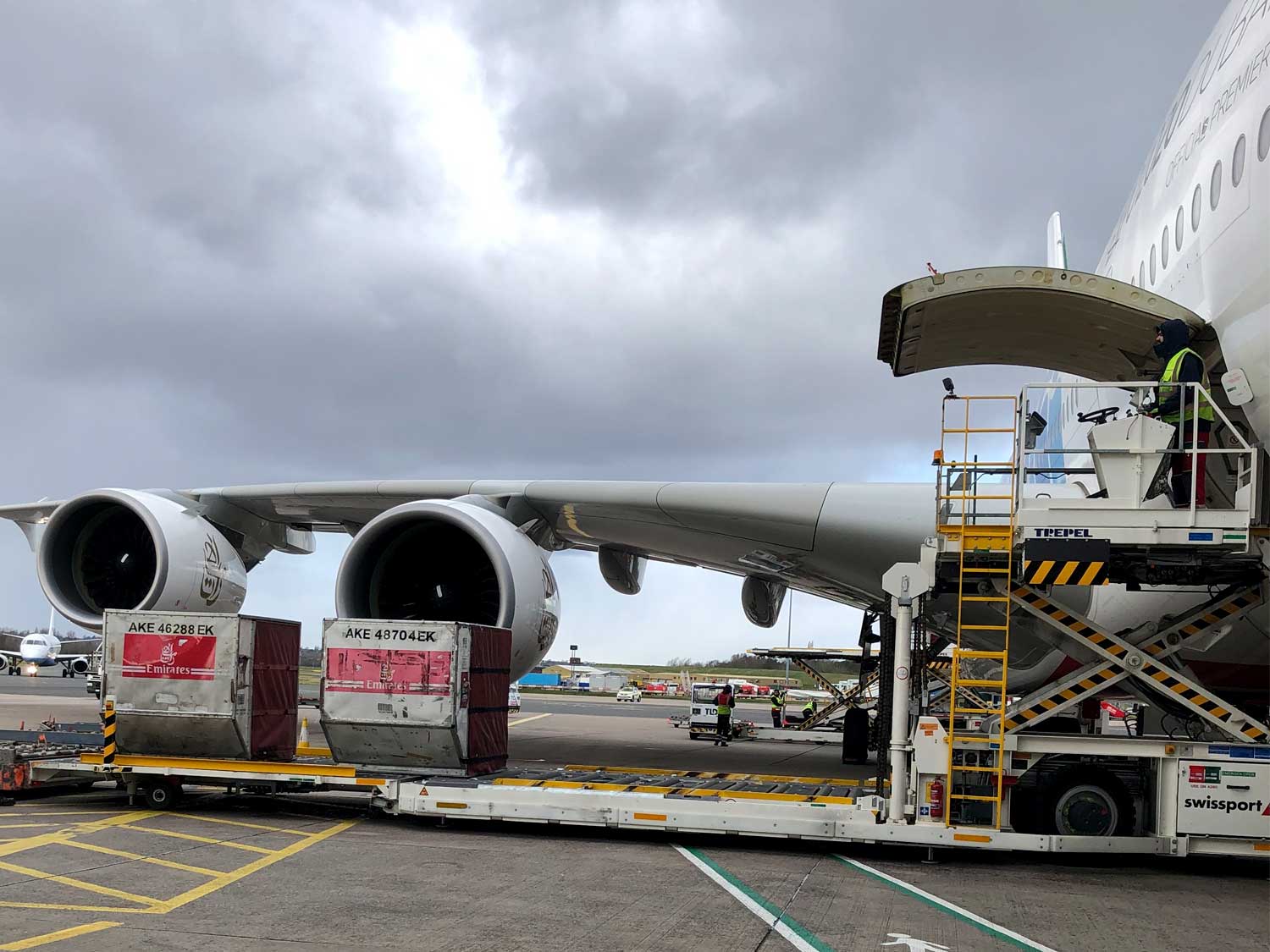
And there have been more announcements on the supply side, as airlines release schedules and raise the number of passenger flights. Emirates, for example, expands its destinations to 63 in August.

Passenger load factors on the long-haul wide body routes that take the lion’s share of global cargo, remain low, highlighted by the closure of London Heathrow’s Terminal 4 until 2021.

And few expect passenger traffic to come back soon, which keeps the market very attractive to freighter operators because with so many wide-bodies parked, there is no sign of belly-hold capacity returning.

Although worldwide cargo volumes, year on year, contracted by more than 18% in H1 20, revenue increased by almost 21%, thanks to the capacity shortage from mid-March.

The average rate of transporting one kg by air rose by 48% worldwide; the increase was largest from Asia Pacific (+76%) and smallest from Latin America (+10%).

The transport of PPE-goods did not come cheap, air cargo charges from China rose by an 136% compared with the first half of 2019.

Metro’s award winning airfreight products continue to deliver a reliable and consistent service.