Fuel markets have become a central pressure point for global logistics, with the Middle East crisis disrupting supply, driving sharp price volatility and forcing operational changes across ocean freight networks.
While availability remains manageable in the short term, underlying conditions point to a tightening market with wider implications across all transport modes.
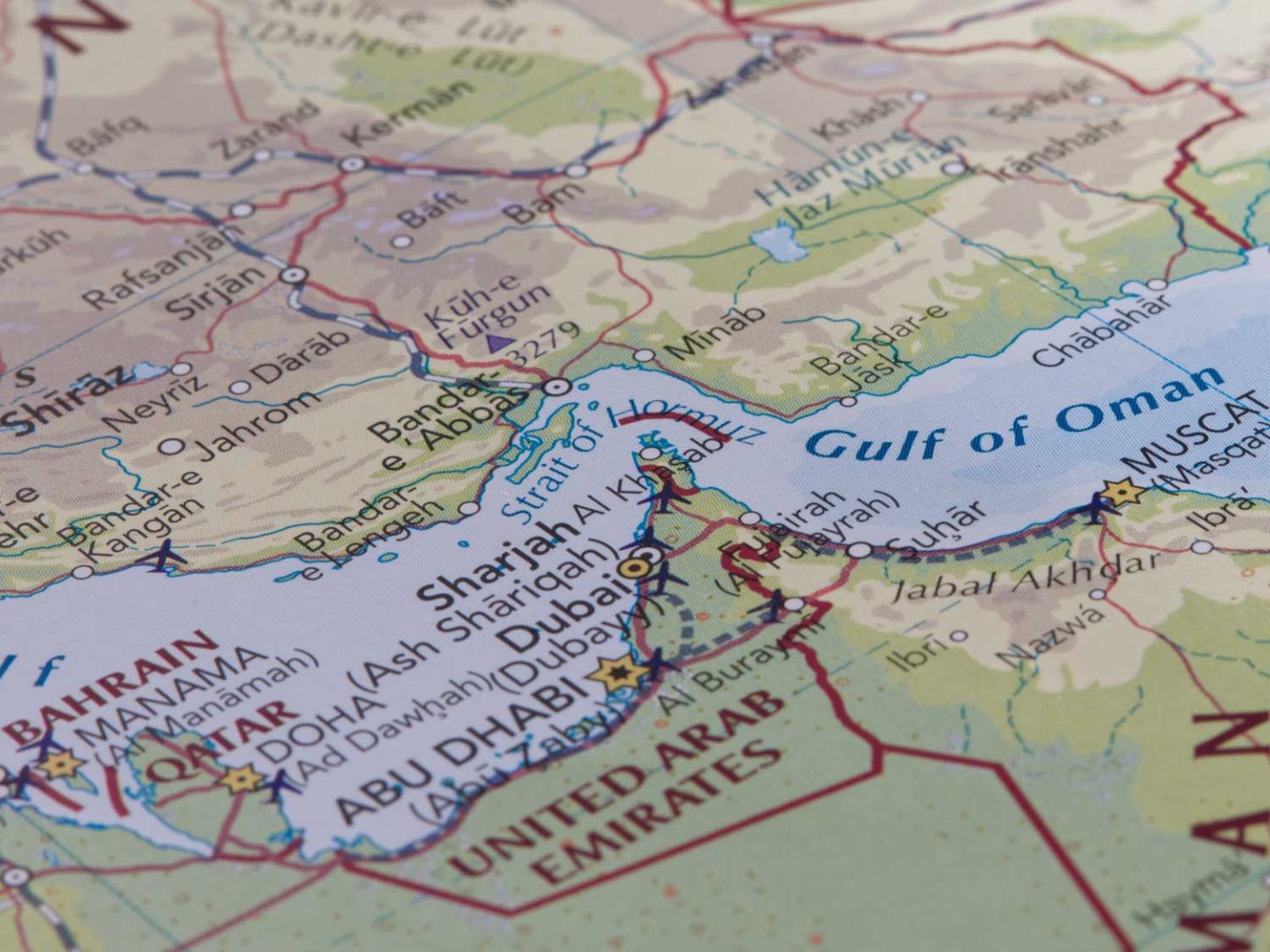
Export volumes of crude and refined products exiting the Strait of Hormuz have fallen to less than 10% of pre-war levels, forcing fuel suppliers across the region to reduce or shut down production.
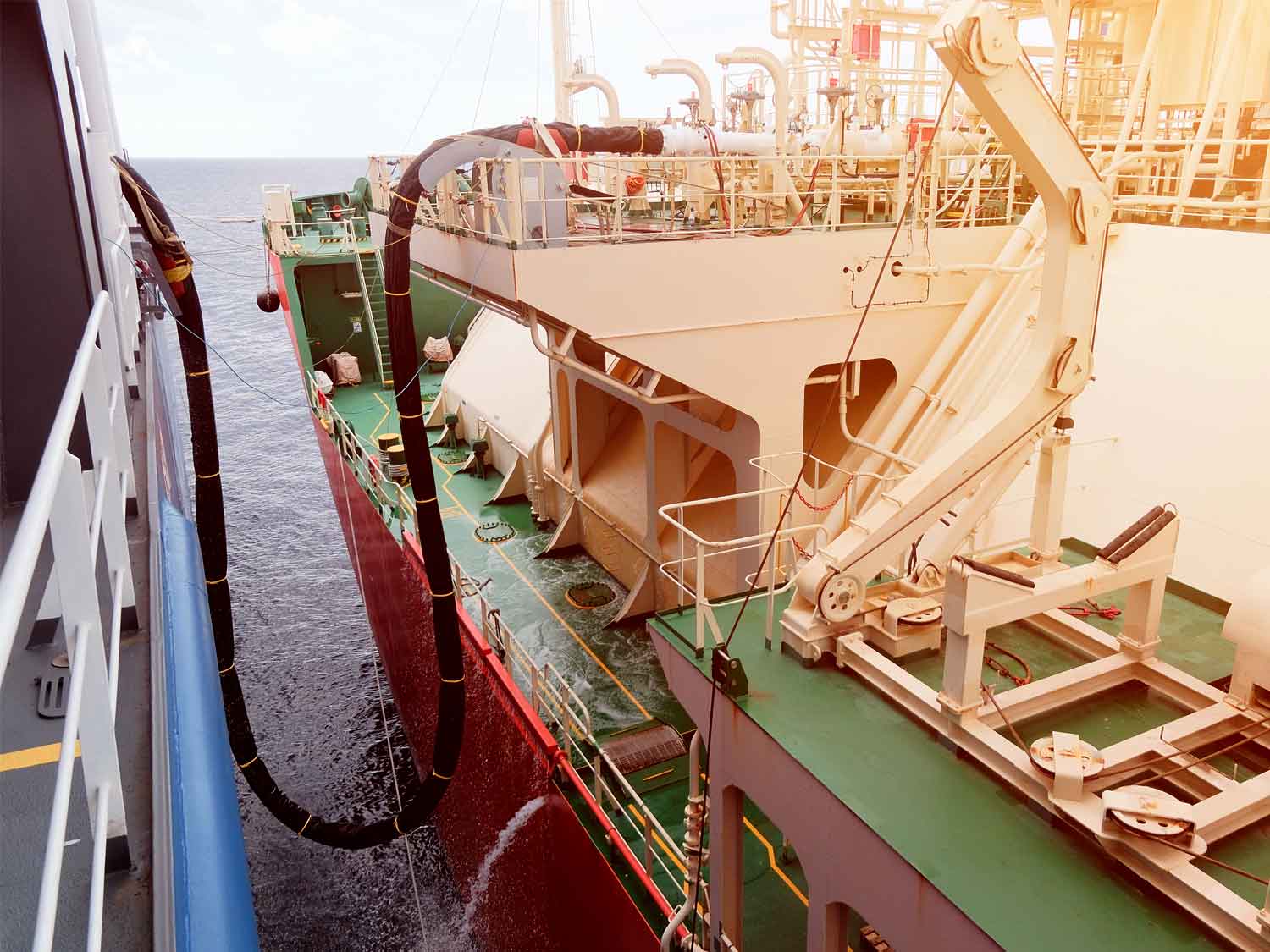
In the short term, bunker availability in major Asian hubs such as Singapore and China remains stable and is expected to hold into April. However, this is being supported by inventory already in the supply chain, with limited replenishment currently reaching the market.
This creates a fragile balance. If disruption continues, tightening supply conditions are likely to spread beyond Asia into Europe and other regions.
Bunker prices surge, with regional imbalance emerging
Fuel prices have risen sharply since late February, reflecting both supply disruption and market uncertainty. While prices have eased slightly in recent days, they remain significantly elevated.
Singapore (24 March):
- VLSFO up 71% since late February
- MGO up 151%
- HSFO peaked up 146%, before easing back
Rotterdam (24 March):
- VLSFO up 54%
- MGO almost double pre-conflict levels
- HSFO up 63%
This divergence highlights tightening supply conditions in Asia compared with relatively better availability in Europe. The spread between bunkering hubs is widening, influencing where carriers refuel and how networks are structured.
Fuel costs drive rate pressure across key trade lanes
Rising oil prices are now feeding directly into ocean freight pricing. On the transpacific, rates have increased by around 12%–14% week-on-week, driven primarily by fuel cost escalation rather than demand strength.
Across other major trades, the impact vs pre-war levels is also visible:
- Asia–North Europe rates up 41%
- Asia–Mediterranean rates up 34%
At the same time, carriers are introducing additional fuel cost recovery mechanisms. Bunker fuel can account for up to 30% of operating costs, and the speed of recent increases has outpaced traditional quarterly bunker adjustment factors (BAFs).
To bridge this gap, carriers have implemented emergency fuel surcharges. However, even with these measures, analysts suggest that freight rates would need to rise by around 15% to fully offset current fuel cost increases.
Operational impact extends across global logistics networks
Fuel disruption is also influencing how logistics networks operate. Ocean carriers are adjusting sailing speeds, refuelling strategies and service deployment to manage both cost and availability.
Where bunker supply is uncertain, vessels are taking fuel in alternative regions and redistributing it across networks. In more constrained scenarios, service reductions or blank sailings become a risk if fuel cannot be sourced reliably.
The impact is not limited to ocean freight. Aviation networks are also exposed, as jet fuel availability at destination airports becomes a critical factor in maintaining flight schedules. Reduced access to fuel can limit route viability and constrain capacity.
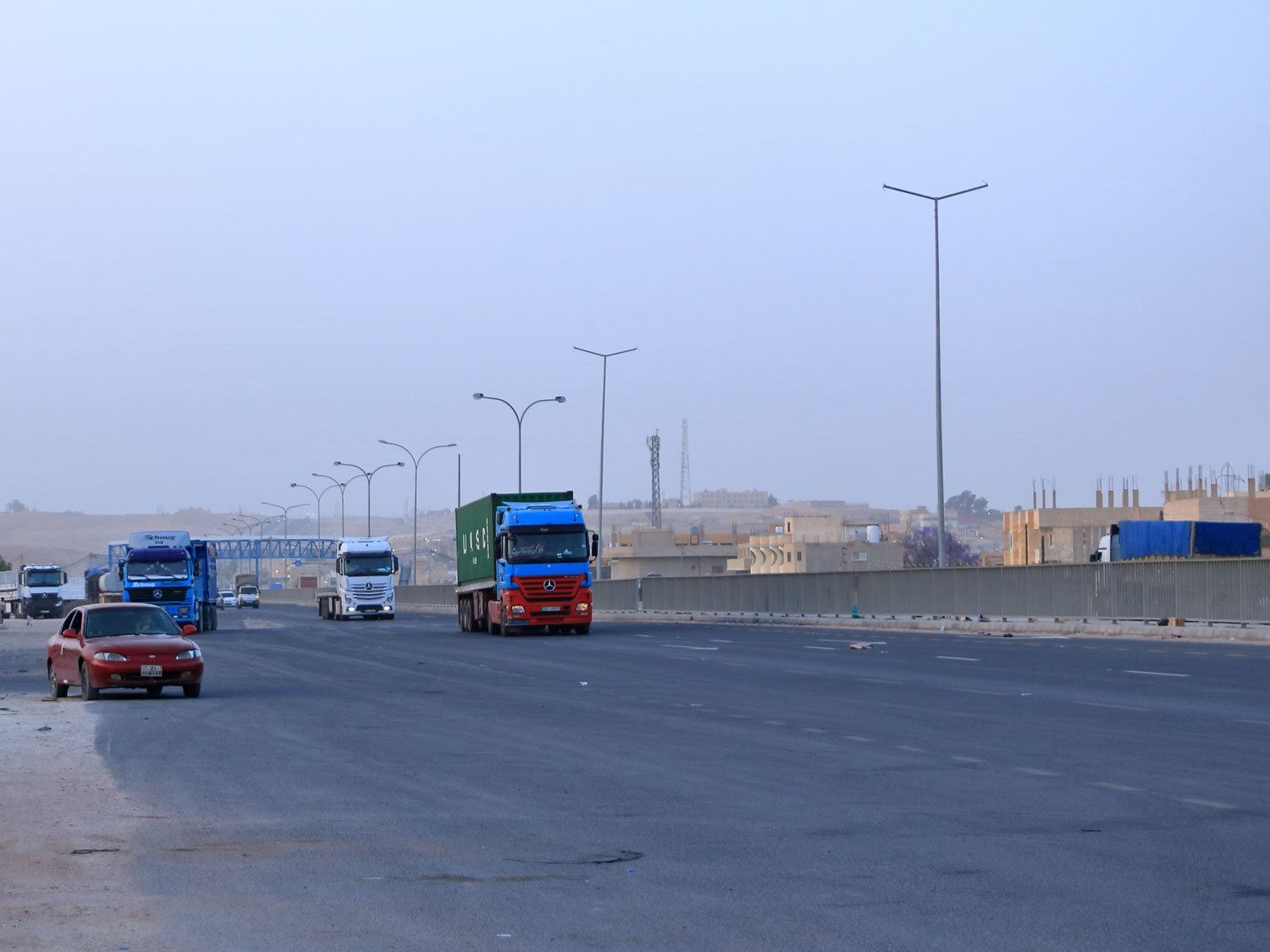
Overland transport is similarly affected. Rising fuel costs are feeding directly into road freight pricing, while any tightening in diesel supply could create further disruption. In the UK, petrol availability remains stable, but diesel is more exposed to global supply shocks, with potential shortages emerging within weeks if disruption persists.
Staying ahead of fuel-driven disruption
Metro monitors bunker supply conditions independently and works closely with carrier partners, to avoid disruption and guide routing decisions before constraints impact your shipments. This early intervention secures space on viable services and routings, while avoiding high-risk bunkering points.
By combining market intelligence with practical execution, Metro helps you stay ahead of fuel-driven disruption rather than reacting to it.
To review your current exposure and options, EMAIL Andrew Smith, Managing Director.